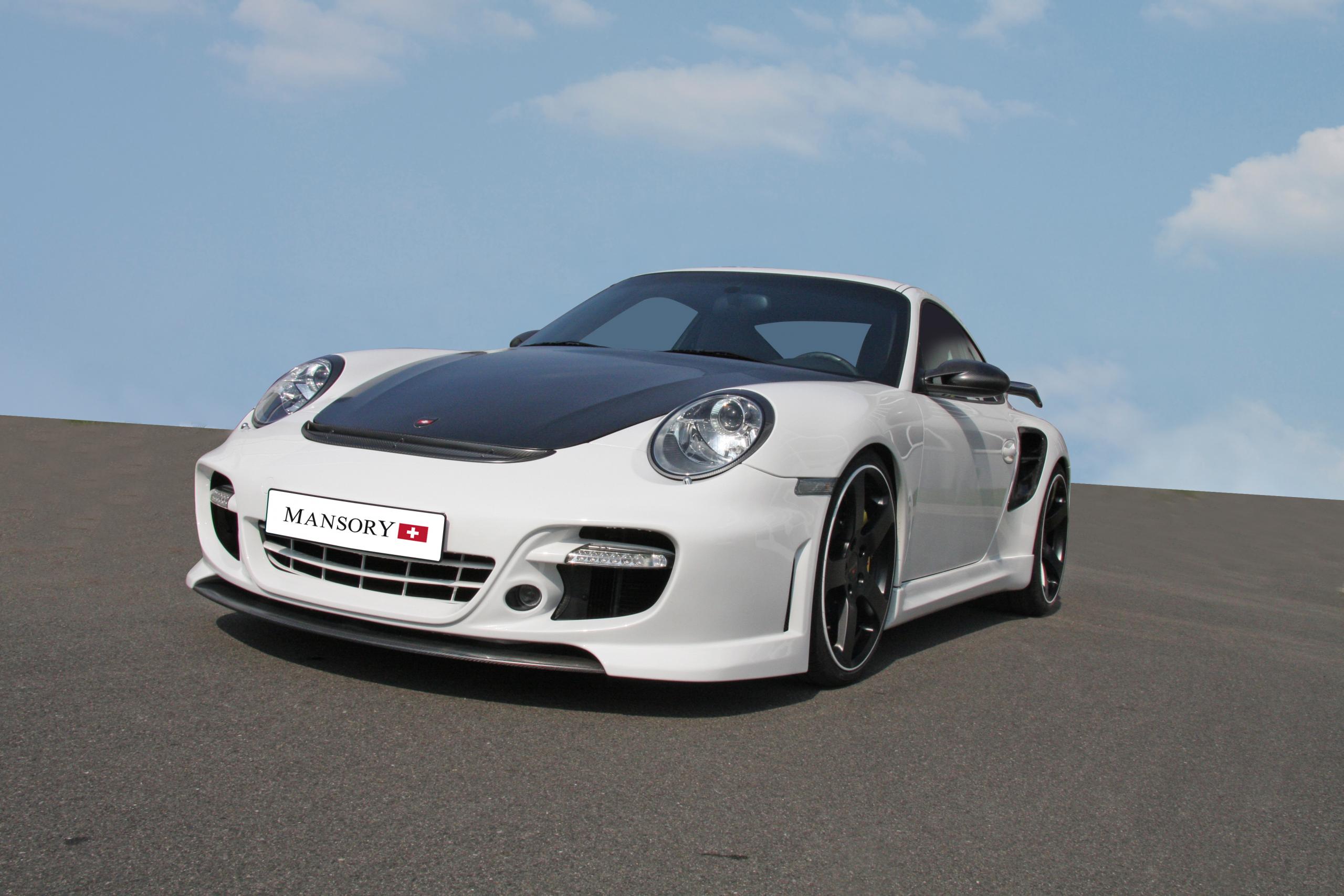
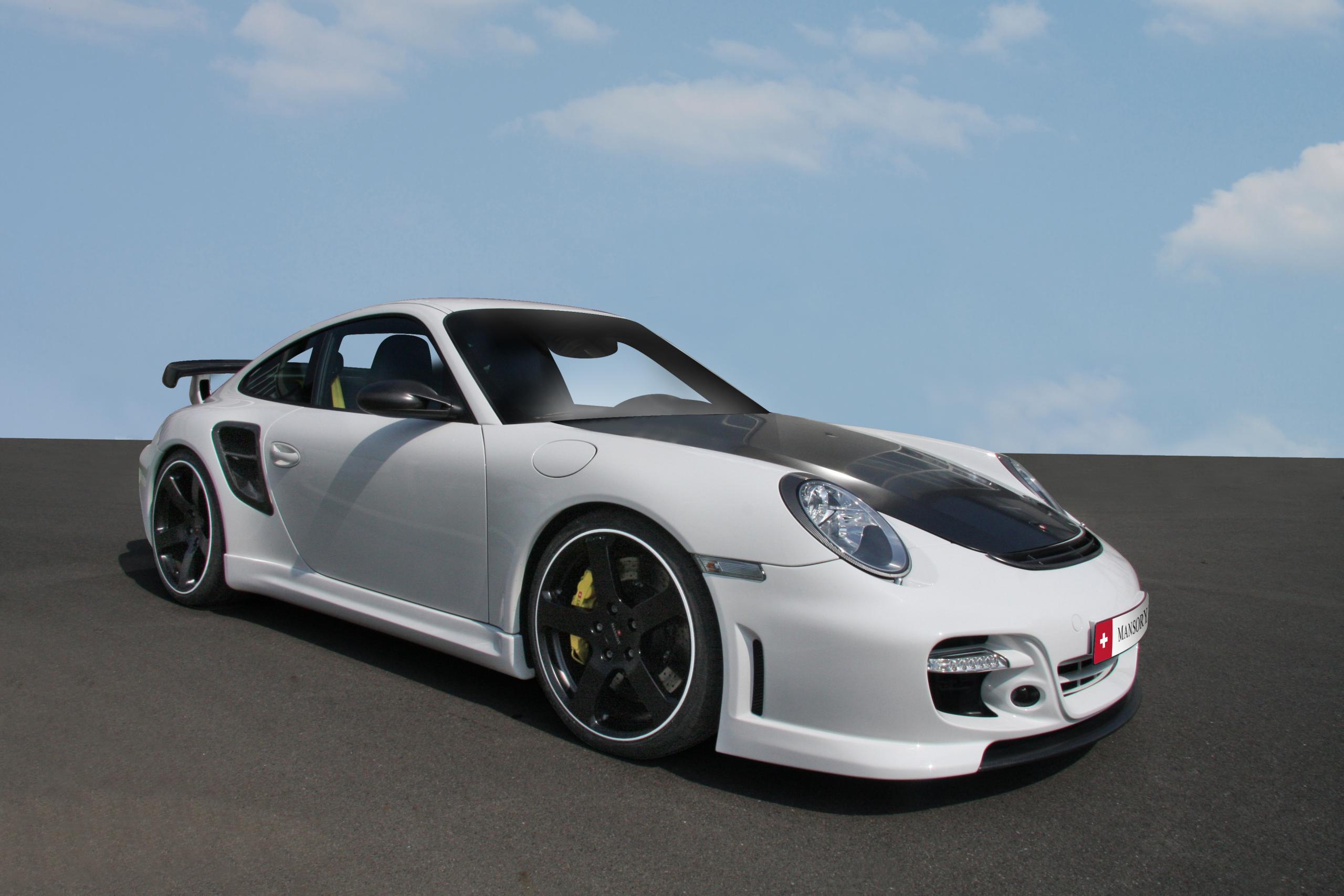
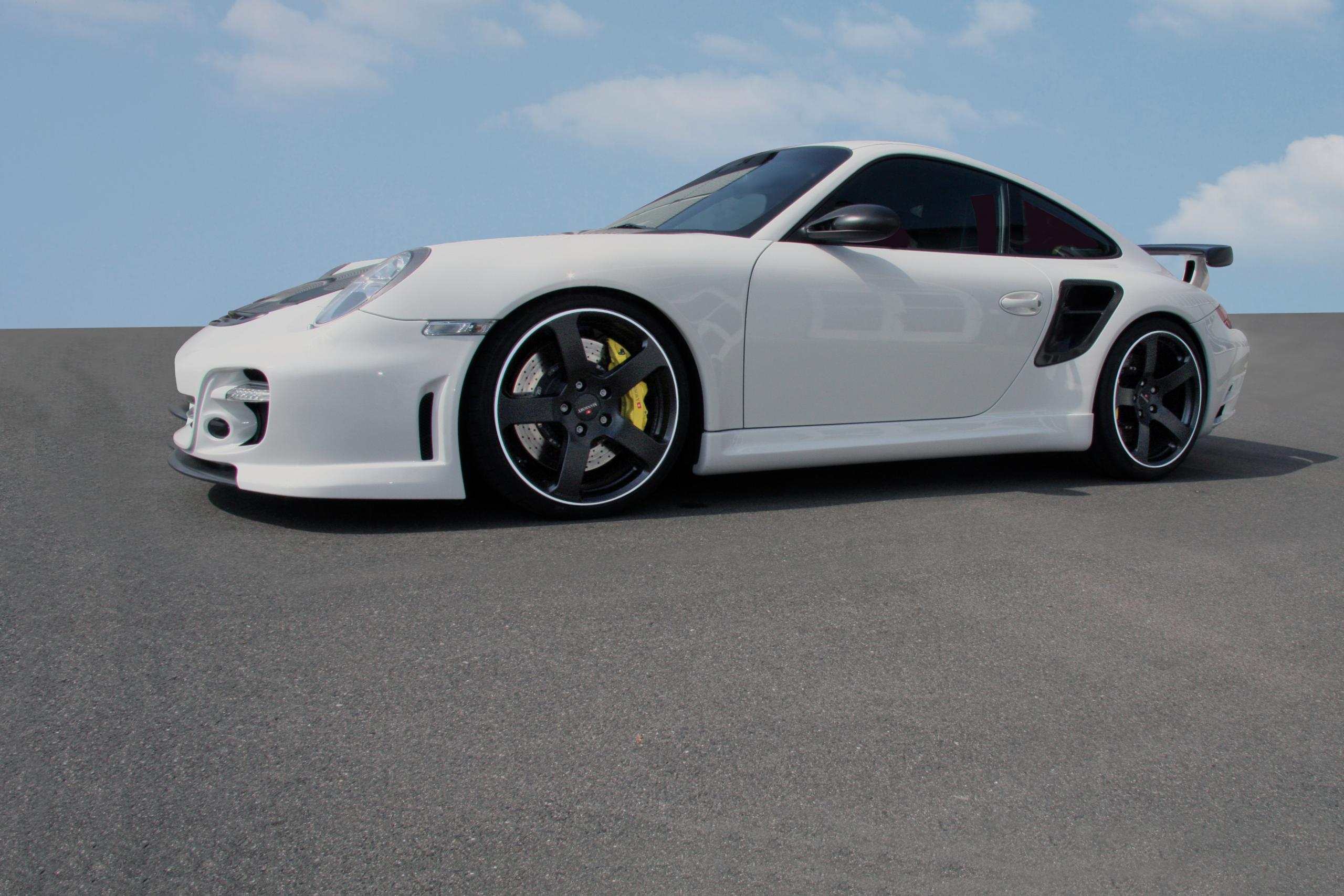
Mansory Carbon Fiber Body kit set for Porsche 911/997 Turbo


MANSORY Carbon Fiber Body-Kit Set for the PORSCHE 911 / 997 TURBO — a Widebody Programme for the Last Mezger-Powered 911 Turbo
Tuning a 997 Turbo is heresy to a small Porsche church — and that church has a point. The 997 generation (997.1 from 2006 to 2009, 997.2 from 2009.5 to 2012) was the last 911 Turbo motivated by the Mezger flat-six, the dry-sump, racing-derived architecture that traces through the 962 Group C cars, the GT1 homologation programme and the 996/997 GT3 and GT2 families. The 991 that replaced it switched the Turbo to the wet-sump 9A1 architecture shared with the Carrera. For a segment of the Porsche community the 997 Turbo is therefore not a used supercar — it is the last of a line, a future classic whose value curve is now pointing the right way. Mansory's counter-argument is that the 997 chassis was the first 911 wide enough to wear a widebody without looking lost, and that a carbon kit leaving the Mezger bay untouched is the most honest way to build a modern 997.
The 997 Turbo and the purist debate
The objection is easy to summarise: the 997 Turbo is an icon, do not dress it up. The Mezger 3.6 L twin-turbo of the 997.1 produced 480 hp and was the engine Porsche ran in competition-adjacent programmes for a decade; the 997.2 Turbo received a direct-injection Mezger 3.8 L in 2009.5 with 500 hp, and the 997.2 Turbo S (introduced 2010) carried the same Mezger 3.8 recalibrated to 530 hp — that is, the base 997.2 Turbo kept Mezger, the Turbo S kept Mezger, and the variable-vane VTG turbochargers were the same Borg-Warner units the GT2 had already proven at higher boost. All 997 Turbos reached the crankshaft through Porsche Traction Management (PTM) AWD. 0-100 km/h is 3.7 s on the 997.1, 3.4 s on the 997.2, and 3.3 s on the Turbo S with launch control. To put carbon bodywork on an engineering package like that is, fairly, a provocation. The counter-position is that the 997 bodyshell was always a compromise between 996 carry-over and 991 preview, and that the car genuinely benefits from the visual weight Mansory adds.
Mansory's design rebuttal
Mansory's thesis on the 997 Turbo is a chassis-first argument rather than a power argument. The 997 Turbo widebody from the factory is 1852 mm across and sits on a 2350 mm wheelbase with an overall length of 4450 mm and a roof height of 1300 mm. That is 38 mm wider across the rear than a same-year Carrera S and gives a visual footprint that the 996 Turbo never had. Mansory's carbon widebody leans into that footprint rather than fighting it: deeper fender flares that follow the factory haunch line, a reshaped front fascia that predates the Cayenne-influenced family face of the 991, a rear diffuser sized for the genuine 997 rear track rather than a bolted-on afterthought. The intent is a 997 Turbo that looks like what Porsche might have built had it not been constrained by 911-lineage continuity rules. It is opinionated — clients who disagree should buy a standard 997 Turbo.
Carbon kit components — what changes, what doesn't
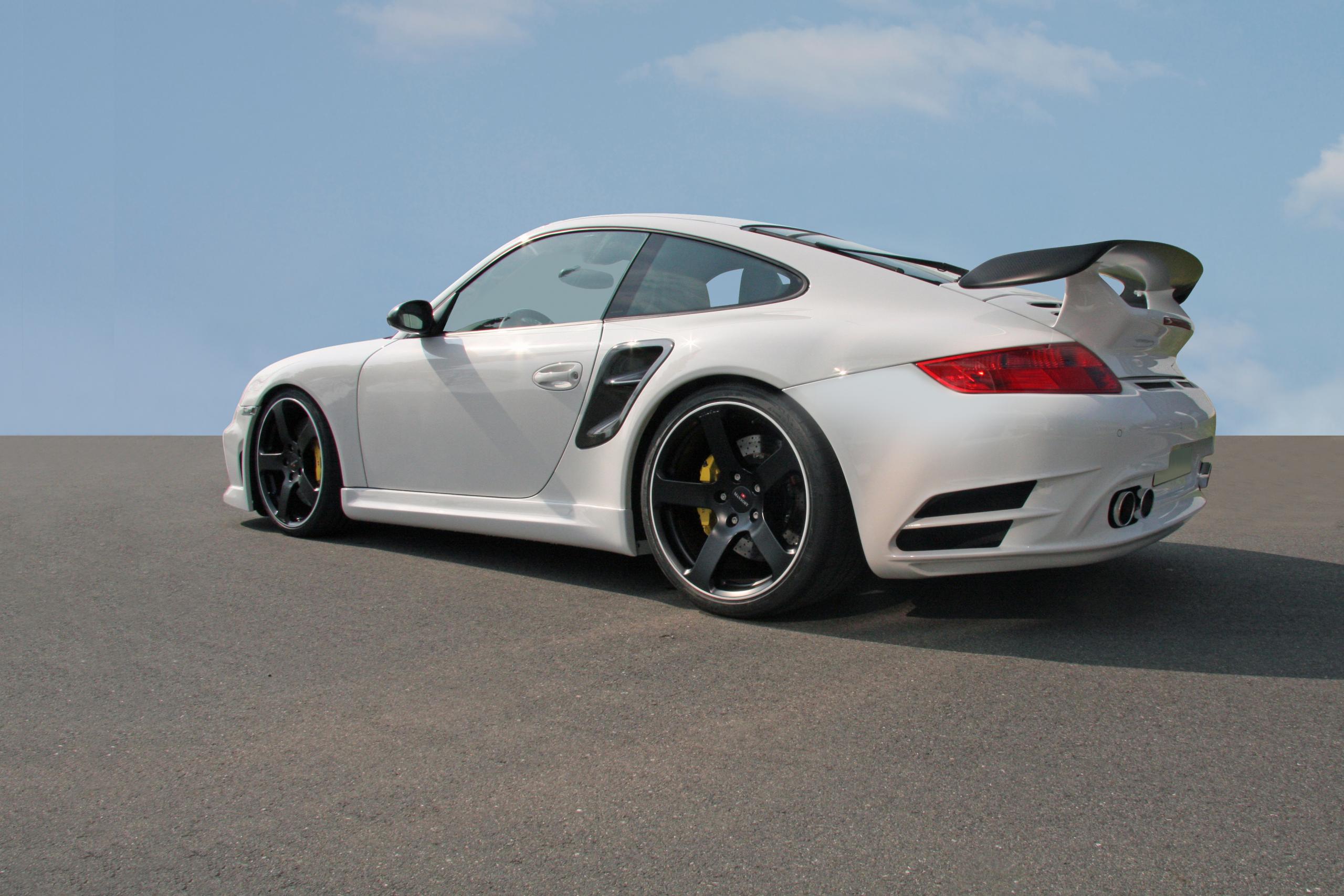
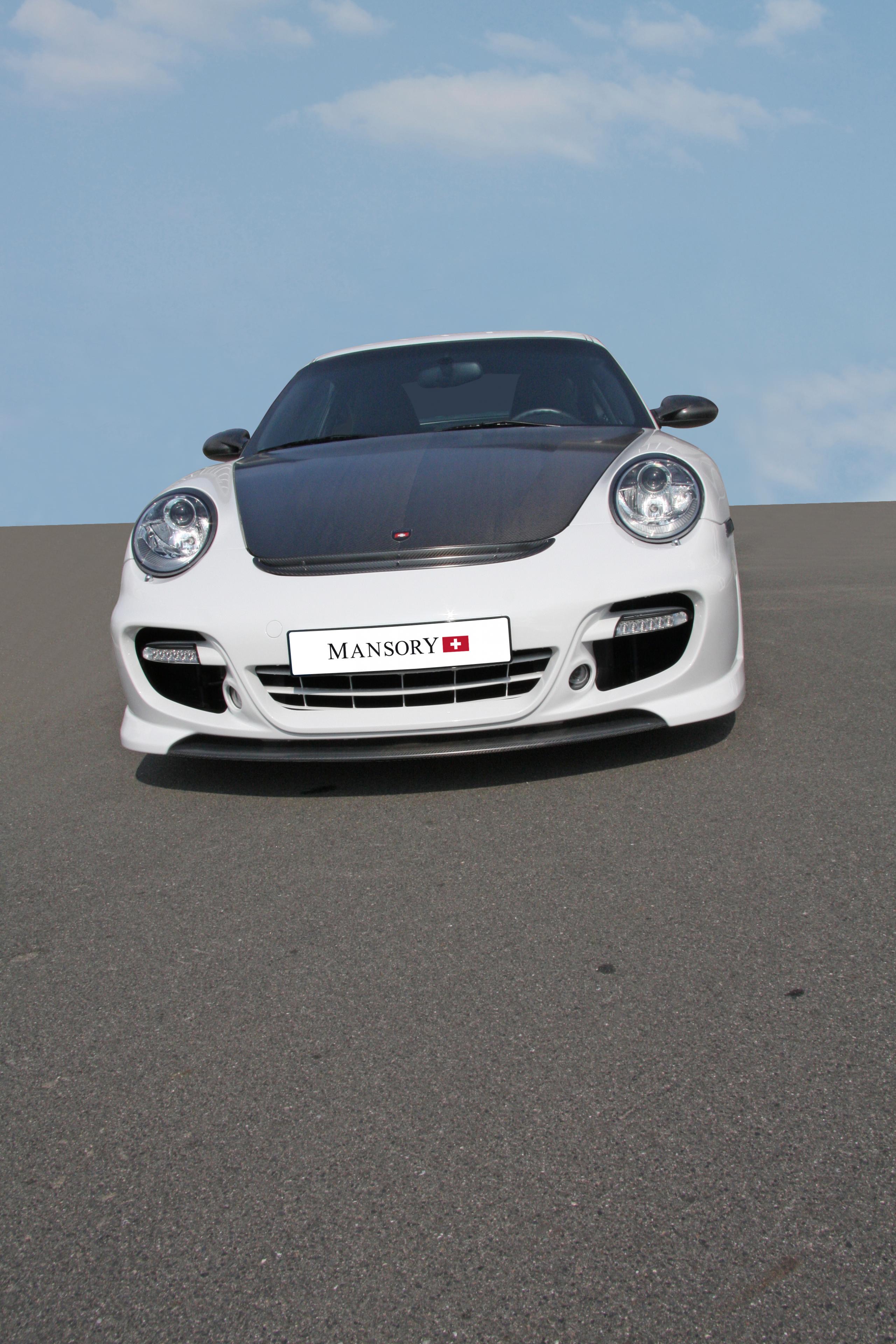
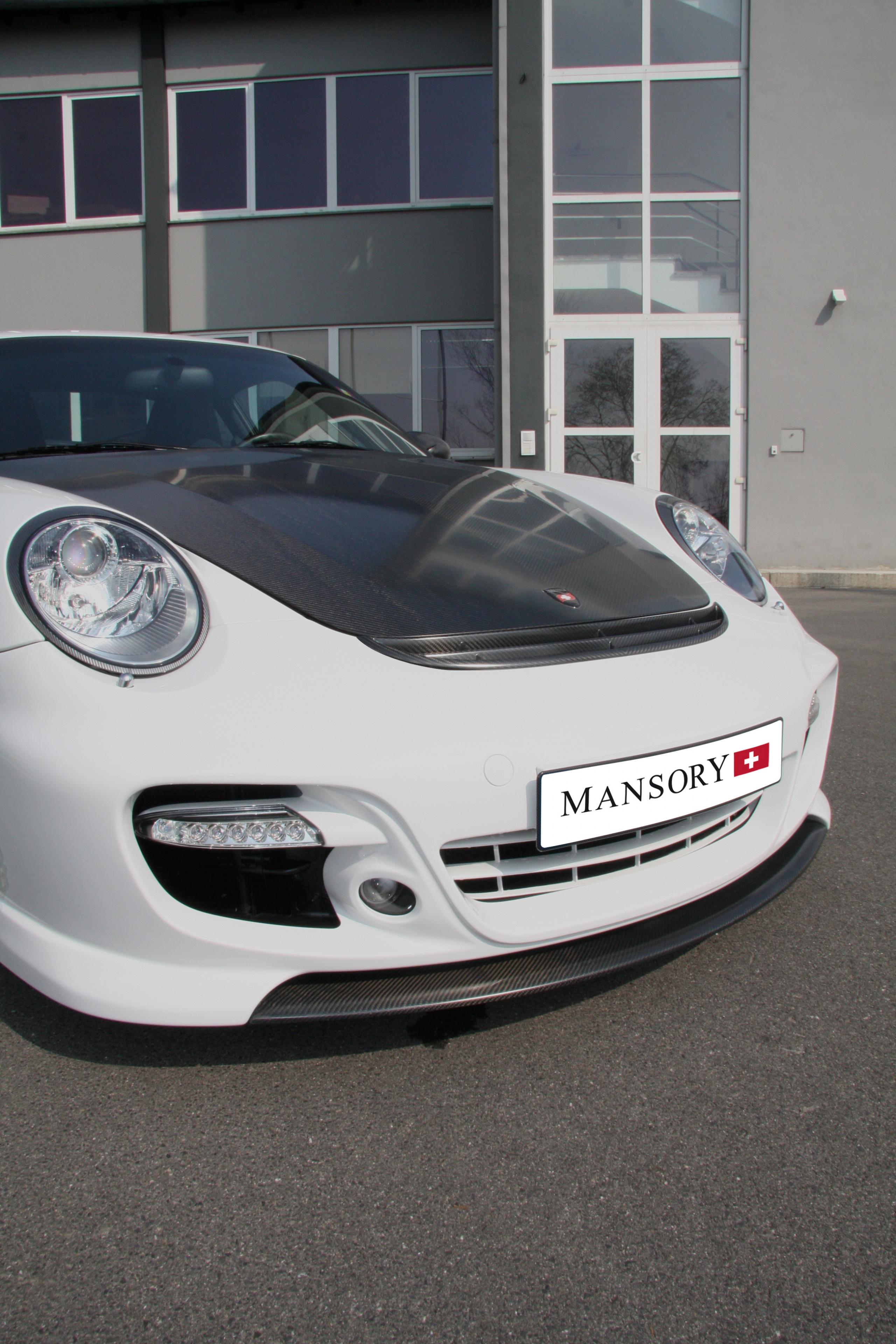
The 997 Turbo schedule includes: a replacement carbon front bumper with three-piece splitter, enlarged central and side intakes feeding factory intercooler pathing and front brake-cooling ducts; a carbon bonnet with functional heat extractors over the front radiators; carbon front-fender widebody extensions adding track width; carbon rear-fender widebody extensions sized to the 997 Turbo's factory haunches rather than generic 911 flares; deep carbon side skirts with a stepped aero kick ahead of the rear wheel; a replacement carbon rear bumper with integrated diffuser and Mansory quad-exit exhaust bezels; a carbon engine-decklid with functional louvres over the Mezger intake plenum; a carbon rear wing positioned to respect the factory retractable spoiler mechanism rather than replace it (the 997 Turbo's two-stage factory spoiler remains functional); carbon mirror-housing covers; carbon interior trim replacing factory aluminium or wood packs. Untouched: the Mezger long-block, the turbos, the intercoolers, the PTM AWD hardware, the PASM damper control, and the factory ABS/PSM calibration. The scope is deliberate — a body and wheel programme that leaves the mechanical signature of a 997 Turbo exactly as it left Zuffenhausen.
Mezger 3.6 L flat-six — what NOT to touch
This section is a warning as much as a product note. The Mezger M96/70 3.6 L twin-turbo in the 997.1 Turbo and the Mezger M97/70 3.8 L twin-turbo in the 997.2 Turbo and Turbo S have a documented reliability record when left stock or lightly tuned; they also have a specialist-only repair ecosystem, and an engine-out on a 997 Turbo is a five-figure event. Clients ask whether Mansory bundles a tune with the carbon programme — we deliberately do not. A correctly mapped Stage 1 reflash on a 997.1 (around 550 hp) or a 997.2 (around 580 hp) is a known quantity from specialists such as RUF, TechArt, EVOMS or 9ff and should be commissioned as a separate engineering job with dyno-validated AFR and knock-monitoring. The variable-vane VTG mechanism in the Borg-Warner turbos is especially sensitive to overpressure; a lazy tune can cook the vane actuator rings in a single summer. Our position: the carbon kit preserves the car's mechanical provenance, and a tune is a conversation for an engine specialist, not a body specialist.
Wheels — 19" and 20" forged on the 997 chassis
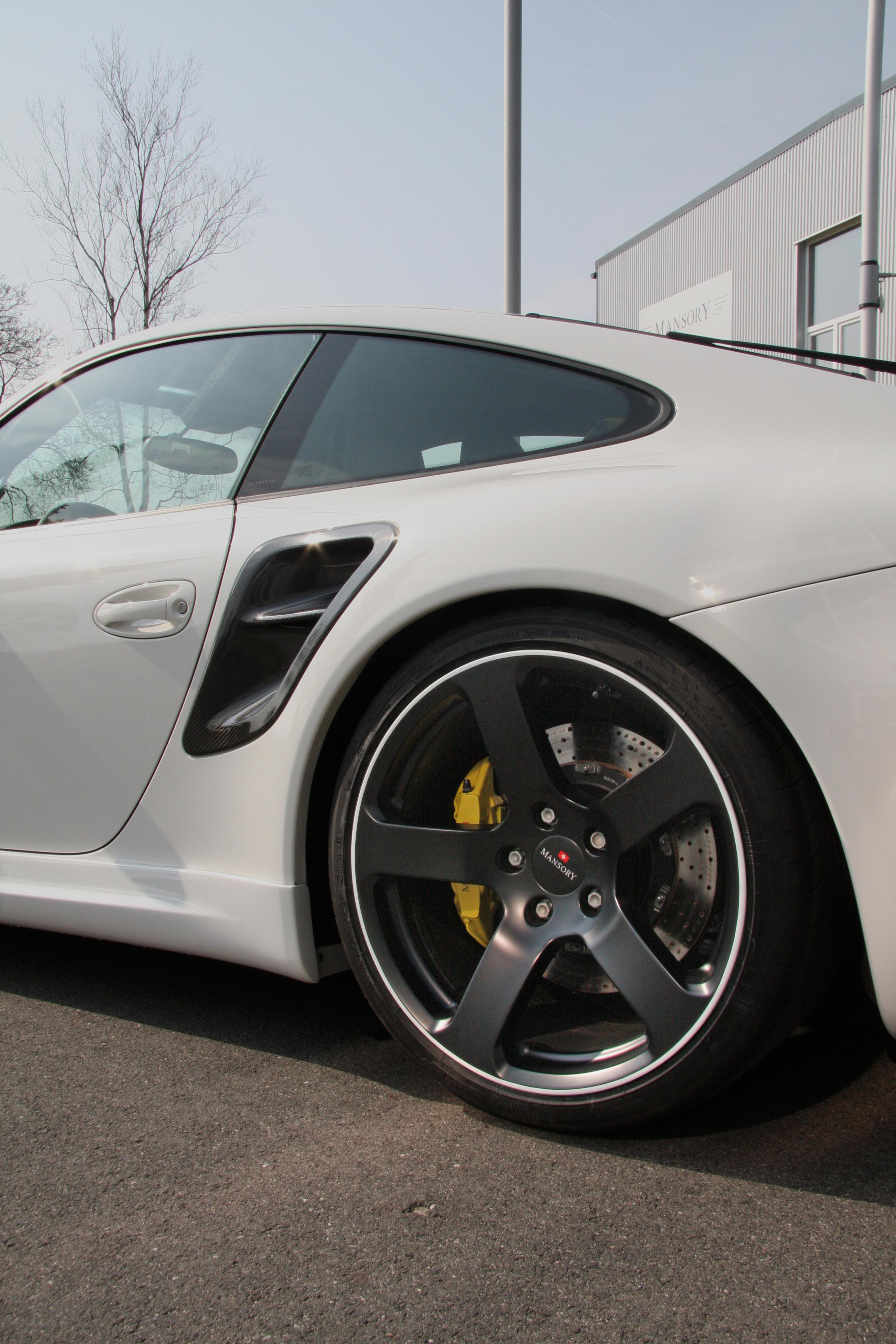
Factory 997 Turbo wheels are 19" staggered (8.5J front, 11J rear) on a 5-bolt 5×130 mm pattern — not centre-lock. Centre-lock hubs on the 997 chassis were reserved for the GT3 RS 4.0 and GT2 RS variants; the Turbo and Turbo S carried 5-bolt throughout. Mansory's fitment for 997 Turbo is therefore 5-bolt forged only. Catalogue: M.7 multi-spoke concave, FM.8 deep-concave split-seven, in two diameters: 19" as a period-correct fitment (8.5J front / 11J rear, 235/35 R19 front + 305/30 R19 rear) or 20" for a more contemporary footprint (8.5J front / 11J rear, 235/30 R20 + 305/25 R20). Finishes include satin black, gunmetal, bronze, polished lip with painted barrel, and paint-to-sample against a 997 Porsche colour code. TÜV documentation is prepared for both diameters at 997 Turbo kerb weight with factory PASM load cases. Catalogue: hodoor.world/collection/forgedwheels. Clients who want a GT2-RS-style centre-lock look on a 997 Turbo should be redirected to a GT2 RS donor — Mansory does not convert a 5-bolt 997 hub to centre-lock.
The 997 corridor
The 997 Turbo client map runs along a Euro-heritage corridor that starts in Germany — the car's home market, where a clean 997.2 Turbo S lives a quiet second life alongside newer 911s and no country slug is needed because Germany is where the Mezger engine was built — and continues through the United Kingdom, where specialist independents still know the 997 Turbo platform intimately and most clean examples pass through an enthusiast workshop at least once; into Switzerland, where the 997 Turbo's all-weather PTM AWD and its relatively restrained widebody footprint suit the Alpine commute better than most modern supercars; onwards to Monaco, where the 997 is increasingly a connoisseur's choice parked between current 992 GT3 and older 964 Turbo examples; and then into the two Asian markets that have always understood this car best — Hong Kong, where 997 Turbos have a dedicated enthusiast circuit that still tracks them hard, and Japan, where Mezger-engined Porsches occupy a cult position alongside the RUF builds that first brought them international credibility.
Commission process for an ageing platform
The 997 Turbo went out of production in 2012, so every commission now starts with an existing car of between thirteen and twenty years of age — fundamentally different from commissioning a kit for a current 992. Our intake reflects that. We need the VIN to confirm 997.1 vs 997.2 vs Turbo S chassis (front fascia and rear-light geometry differ across 997.1 and 997.2); the current paint code plus respray history, because carbon-to-paint colour matching on a fifteen-year-old lacquer is a specialist job; photographs of existing bumpers and any PPF so the installation workshop can price removal realistically; and confirmation that the retractable rear spoiler mechanism is working, because a seized 997 spoiler motor is a known issue that should be fixed before a Mansory rear wing is installed. We also ask the client to confirm the installing workshop has 997 Turbo dry-sump oil-system experience. Typical timeline: carbon 10-12 weeks, wheels 8-10 weeks in parallel, interior retrim +3 weeks if selected, installation 2-3 weeks at a 997-literate workshop — roughly 4 months total. Commission: [email protected] or +44 7488 818747 (WhatsApp).
Other Mansory programmes worth comparing
- Body Kit for Porsche 911 Turbo S Coupé & Cabrio — another Mansory upgrade routed through Hodoor.World.
- Carbon Fiber Body kit set for Porsche 911 Turbo S — sister build with comparable component logic.
- Porsche 911/997 Carrera Facelift — another Mansory upgrade routed through Hodoor.World.
FAQ — 997 Turbo programme
Does this fit both Turbo and Turbo S, and the Cabriolet body? Wide-body panels, bumpers, skirts and diffuser cross between 997.1 and 997.2 Turbo and Turbo S coupés with minor front-fascia trim differences we handle at spec stage. The Cabriolet shares fenders, bumpers and skirts with the coupé; the engine decklid and rear wing are coupé-specific, so Cabriolet commissions ship the programme minus those two items.
Does the kit affect the variable-vane VTG turbo calibration? No. The front bumper and hood components do not reroute intake air to the turbos, and the rear decklid louvres sit above the plenum rather than interfering with intercooler piping. VTG vane control is a function of the DME map and the Borg-Warner actuators; bodywork does not enter that loop.
PDK 7-speed vs Tiptronic S — does the kit differ? Transmission choice does not change scope. PDK (997.2 Turbo and Turbo S from 2009.5) and Tiptronic S (997.1 Turbo) share tunnel geometry; manual-gearbox 997.1 Turbos fit the same panels. Where it matters is the diffuser's heat shielding — PDK cars have a slightly different rear-exhaust heat signature and we supply the appropriate shield pack.
What about Mezger engine reliability — should I worry before committing to a kit? Mezger-engined 997 Turbos are among the more durable modern-era Porsche powertrains when serviced correctly. We recommend a pre-kit inspection covering coil packs, AOS (air-oil separator), coolant pipe coupler glue joints and the dry-sump scavenge pump. None of that is kit-related; it is what any 997 Turbo buyer should do. A clean service history makes the commissioning decision easier.
Lead time given the 997 is out of production — any availability issue? No. Mansory's 997 Turbo carbon programme is tooled and in active production; it is not dependent on Porsche current-model supply. OEM trim we do not replace (certain clips and fasteners) remains available through Porsche Classic for 997 cars. Roughly 4 months from confirmed commission to road — comparable to our current-generation programmes.