Body Kit Installation in Germany: TÜV Guide
German Regulations: StVZO, TÜV, and Why They Matter
Germany's Straßenverkehrs-Zulassungs-Ordnung (StVZO) is the federal regulation governing vehicle modifications, and it is the strictest framework of its kind in Europe. Any aftermarket component that alters a vehicle's exterior dimensions, aerodynamic profile, or structural integrity must be approved before the car can legally operate on public roads. This approval comes in two forms: ABE (Allgemeine Betriebserlaubnis) and Teilegutachten.
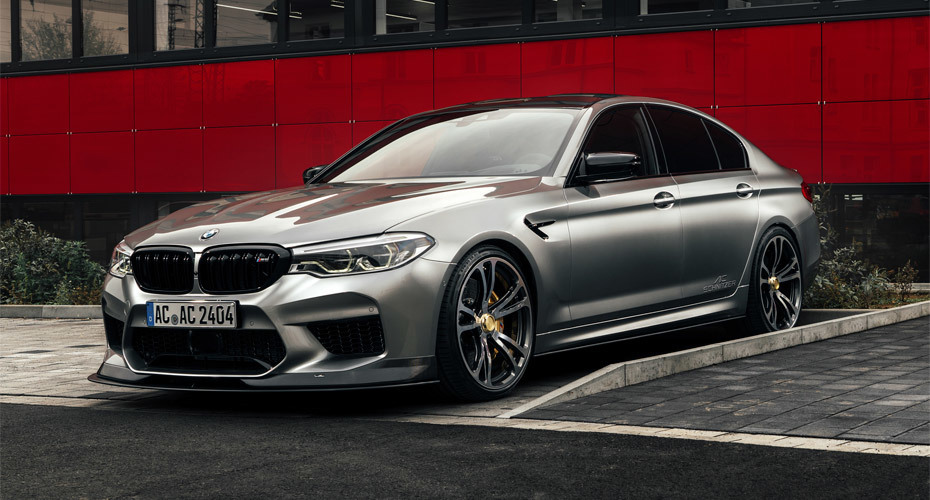
ABE (General Operating Permit) is the gold standard. Parts with ABE certification are pre-approved by the Kraftfahrt-Bundesamt (KBA) and can be installed without an individual inspection. The installer simply documents the ABE number, and the modification is legal. German-origin brands like AC Schnitzer, Brabus, and Lumma Design typically provide ABE documentation for their body kits sold in the German market.
Teilegutachten (Component Report) is the alternative for parts without ABE. A TÜV engineer inspects the installed component, verifies it meets StVZO requirements (no sharp edges, proper ground clearance, adequate lighting visibility), and issues a report. The vehicle owner then takes this Teilegutachten to the local Zulassungsstelle (registration office) to have the modification entered into the Fahrzeugschein (vehicle registration document). Cost: €80–€250 per inspection, depending on complexity.
Operating a modified vehicle without proper documentation is a serious matter in Germany. Police checks — particularly at known car meet locations — can result in the vehicle being immediately impounded (Stilllegung) and the owner facing fines of €50–€500. Repeat offenses can trigger a Hauptuntersuchung (HU) recall, effectively pulling the vehicle's roadworthiness certificate.
What Passes TÜV and What Does Not
Understanding what TÜV engineers evaluate helps avoid costly surprises. Here are the key criteria for body kit approval:
Components that typically pass without issues:
- Front lip spoilers that maintain minimum 80 mm ground clearance
- Rear diffusers that do not extend beyond the original bumper profile by more than 50 mm
- Side skirt extensions with rounded edges (radius ≥ 2.5 mm)
- Carbon fiber mirror caps and trim pieces that do not alter aerodynamic profile significantly
- Boot/roof spoilers with ABE documentation
Components that require careful attention:
- Wide-body fender flares — must not create gaps exposing tire sidewall, and wheel/tire combination must be re-approved
- Aftermarket hoods with vents — functional vents may require Teilegutachten; cosmetic-only vents on OEM hood shells are usually fine
- Front bumper replacements — must maintain pedestrian impact protection standards (EU regulation 2019/2144)
- Rear bumper replacements — exhaust outlet positioning must comply with emissions inspection access requirements
Components that will almost certainly fail:
- Sharp-edged carbon fiber splitters without radiused edges
- Fender flares that reduce lighting visibility below legal minimums
- Any component that obstructs license plate illumination or visibility
- Widebody kits that push the vehicle beyond its registered width class without re-registration
Top German Tuning Shops and Installation Costs
Germany has one of the densest networks of professional automotive tuning shops in the world. Here are the categories of installers and typical pricing for body kit work:
Brand-authorized workshops: Companies like Brabus (Bottrop), AC Schnitzer (Aachen), and Mansory (Marktoberdorf) operate factory workshops that install their own kits. Expect €2,000–€8,000 for installation labor alone, but the benefit is guaranteed fitment and immediate TÜV documentation.
Independent tuning specialists: Shops like JP Performance (Dortmund), Levella (various locations), and Sidney Industries (Stuttgart) handle multi-brand installations. Labor rates run €80–€150/hour, with a typical full body kit installation requiring 20–60 hours depending on complexity. Total installation cost: €1,600–€9,000.
General body shops (Karosseriebau): Any qualified body shop can install bolt-on kits. For adhesive-bonded or riveted widebody kits, seek shops with composite experience. Labor: €60–€100/hour. Budget €1,000–€4,000 for standard kits.
Paint matching adds €1,500–€5,000 depending on the number of components. Carbon fiber kits installed with visible weave skip this cost entirely — one reason TopCar and Mansory visible-carbon kits are popular in Germany.
Ready to upgrade your ride?
Worldwide delivery to 40+ countries. Expert consultation included.
Contact Us — [email protected]Insurance, Import, and Hodoor Delivery to Germany
Vollkasko (comprehensive insurance) implications: German insurers require notification of any exterior modification. Failing to declare a body kit can void your Vollkasko coverage entirely — not just for kit-related damage, but for any claim. Most insurers adjust premiums by 5–20% for cosmetic body kits, with widebody conversions potentially triggering higher increases due to the wider vehicle footprint and associated repair costs.
Teilkasko (partial coverage) is less affected, but undeclared modifications still risk claim rejection. The safest approach: email your insurer the Teilegutachten or ABE documentation before installation, get written confirmation of continued coverage, and keep the response in your vehicle alongside the Fahrzeugschein.
Importing body kits to Germany:
- From EU countries: No customs duties. VAT is already included if purchased from an EU-based seller. For B2B purchases, reverse-charge mechanism applies.
- From non-EU countries (UK, Russia, USA, Japan): Import duties of 3.5–4.5% on automotive body parts (TARIC code 8708.10), plus 19% German VAT (Einfuhrumsatzsteuer) on the total value including shipping and duty. Hodoor Performance provides full customs documentation (commercial invoice, packing list, origin certificates) to streamline clearance.
Popular platforms in the German market: BMW (3 Series, M3, M4, X5, X6), Mercedes (G-Class, GLE, AMG GT), Porsche (911, Cayenne, Macan), and Audi (RS6, RS Q8) dominate German tuning culture. Brands with strong German market presence include:
- AC Schnitzer — 37 kits for BMW and select Jaguar/Land Rover models. TÜV-approved for the German market.
- Brabus — 85 kits covering nearly every Mercedes platform. Factory in Bottrop, Germany.
- Mansory — 221 kits across all luxury brands. German-engineered with select ABE certifications.
Hodoor Performance delivers to Germany with DDP (Delivered Duty Paid) options available, meaning the kit arrives at your door with all customs and VAT pre-cleared. Typical transit time from order confirmation: 5–10 business days for in-stock items, 6–12 weeks for made-to-order kits.
For body kit fundamentals and installation best practices, read our complete body kits guide. For UK-specific regulations, see our UK installation guide, and for UAE/Dubai requirements, check our Dubai installation guide.
Get Your Dream Build Started
Hodoor Performance ships to 40+ countries worldwide. Our team handles everything — sourcing, customs, and installation coordination through our global partner network.
Email Us — [email protected]