
Complete Guide to Mansory Carbon Fiber Components — Materials, Quality & Care
Carbon fiber has become the defining material of luxury automotive customization, and no tuning house has mastered it more thoroughly than Mansory. Since the company's founding, carbon fiber has been central to every body kit, interior trim piece, and aerodynamic component they produce. But not all carbon fiber is created equal — and understanding what sets Mansory's approach apart is essential for anyone considering an investment in their components.
This comprehensive guide covers the science behind Mansory's carbon fiber, how to verify authenticity, and the proper techniques for maintaining these components in pristine condition for years to come.
Understanding Carbon Fiber: The Basics
Carbon fiber reinforced polymer (CFRP) consists of extremely thin strands of carbon — each roughly 5 to 10 micrometers in diameter — woven into fabric and bonded with an epoxy resin matrix. The resulting material offers an extraordinary strength-to-weight ratio: approximately five times stronger than steel at one-fifth the weight. For automotive applications, this translates to lighter body panels that improve performance, handling, and fuel efficiency.
The quality of a carbon fiber component depends on several factors: the grade of carbon filament used, the weave pattern, the resin system, the curing process, and the finishing technique. Mansory controls each of these variables with precision that rivals aerospace manufacturing standards.
What Makes Mansory Carbon Fiber Premium
Raw Material Selection
Mansory sources exclusively high-modulus carbon fiber from Toray Industries (Japan) and Hexcel (USA), the same suppliers used by Formula 1 teams and aerospace manufacturers. This ensures consistent fiber strength, stiffness, and thermal stability across every component.
Weave Patterns
Mansory offers several distinctive weave patterns, each serving both aesthetic and structural purposes:
- Twill Weave (2x2): The classic Mansory signature — a diagonal pattern that provides excellent drape over complex curves while maintaining structural integrity. This is the most commonly used pattern across their body kits.
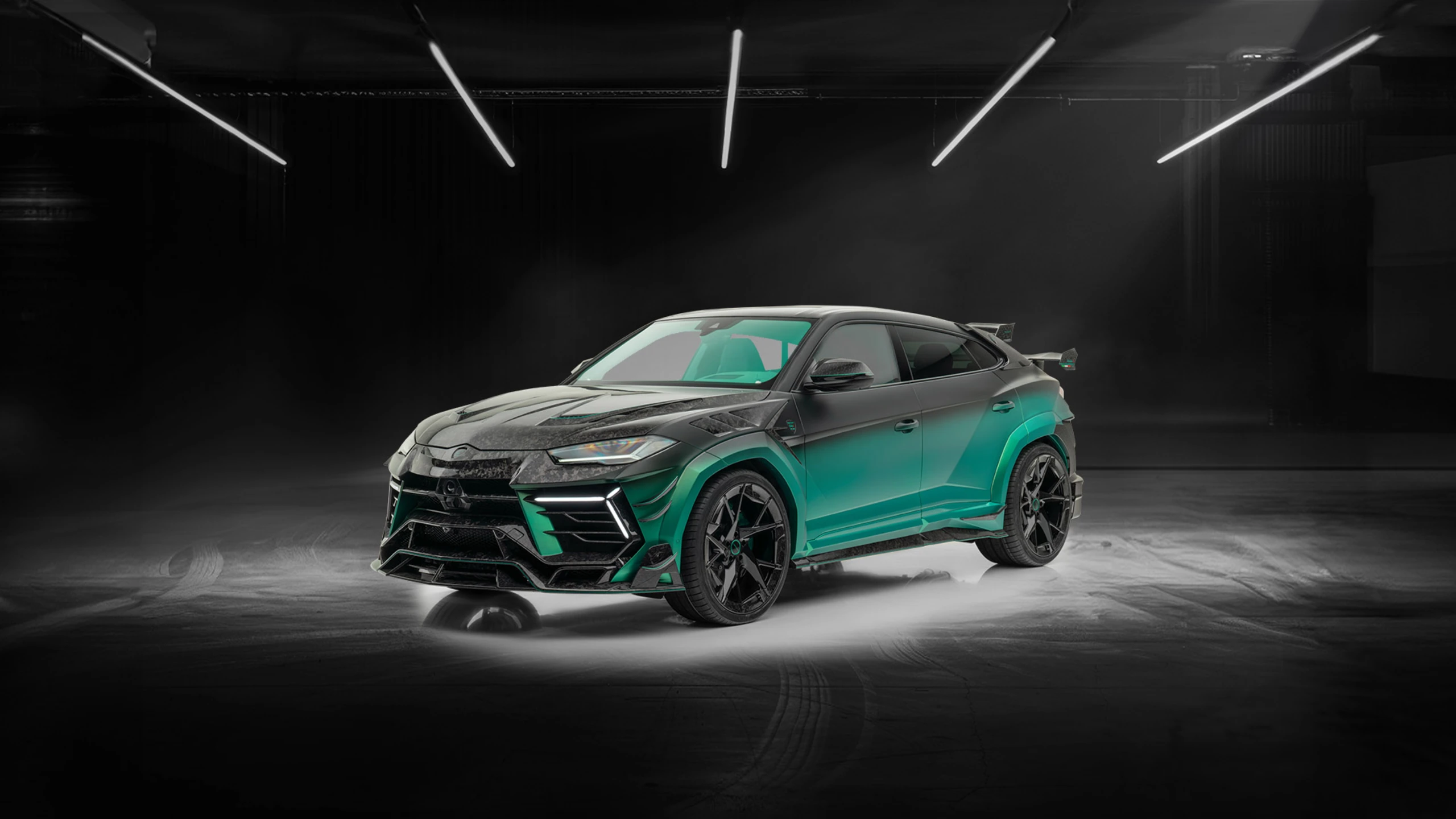
- Forged Carbon: A proprietary technique where chopped carbon fiber strands are compression-molded, creating a marble-like pattern unique to each piece. Increasingly used for interior components and accent pieces.
- Uni-Directional: All fibers aligned in one direction for maximum strength along a single axis. Used in structural components like splitters and diffusers where loads are predictable.
- Carbon/Kevlar Hybrid: A distinctive gold-and-black pattern combining carbon and aramid fibers for enhanced impact resistance. Often specified for components in vulnerable positions.
Autoclave Curing
Every Mansory component is cured in an autoclave — a pressurized oven that applies heat and pressure simultaneously. This process eliminates air bubbles, ensures complete resin saturation, and produces components with a void content below 1%. Many competitors use vacuum-bag-only processes that result in void contents of 3-5%, significantly reducing strength and surface quality.
Clear Coat and UV Protection
Mansory applies a multi-layer clear coat system with integrated UV stabilizers. This prevents the yellowing and cloudiness that affects inferior carbon fiber components over time. The clear coat is applied in a controlled paint booth environment, ensuring a glass-like finish free of orange peel or imperfections.
Exposed vs. Painted Carbon Fiber
| Feature | Exposed Carbon | Painted Carbon |
|---|---|---|
| Visual Impact | Visible weave pattern — technical aesthetic | Color-matched — seamless integration |
| Weight | Slightly lighter (no paint layer) | Minimal weight addition from paint |
| Maintenance | Requires UV-protective wax or coating | Standard automotive paint care |
| Repairability | Surface scratches more visible | Can be polished and repainted |
| Cost | Standard pricing | Additional cost for color matching |
How to Verify Authentic Mansory Components
The popularity of Mansory products has inevitably led to counterfeits in the market. Verifying authenticity is essential to ensure you receive components that meet Mansory's engineering and safety standards.
- Certificate of Authenticity: Every genuine Mansory component ships with a numbered certificate. This certificate can be verified directly through Mansory or through authorized distributors like Hodoor World.
- Mansory Hologram: Look for the holographic security label on the packaging and on discreet locations on the component itself.
- Build Quality Indicators: Genuine Mansory carbon fiber has zero visible air bubbles, perfectly uniform weave alignment, and a glass-smooth clear coat. Counterfeits typically exhibit slight weave distortion, micro-bubbles, or orange peel in the finish.
- Purchase from Authorized Sources: The most reliable way to ensure authenticity is to purchase from authorized distributors. Hodoor World's Mansory collection offers verified genuine components with full documentation.
Carbon Fiber Care and Maintenance
Regular Cleaning
Clean carbon fiber components with pH-neutral automotive shampoo and a microfiber wash mitt. Avoid abrasive sponges, brushes, or household cleaning products. Rinse thoroughly before washing to remove loose particles that could scratch the clear coat.
Protection
Apply a ceramic coating or high-quality carnauba wax designed for clear-coated surfaces every 3 to 6 months. This provides a sacrificial barrier against UV radiation, bird droppings, tree sap, and road chemicals. For vehicles stored outdoors, ceramic coating is strongly recommended over wax for its superior durability.
Scratch and Damage Repair
Minor clear coat scratches can be addressed with a fine polishing compound (2500-3000 grit equivalent) followed by a finishing polish. Deeper scratches that penetrate to the carbon weave should be repaired by a specialist. Mansory's authorized service network can perform structural repairs that are virtually invisible.
Winter and Chemical Protection
Road salt and de-icing chemicals can damage clear coat over time. If driving in winter conditions, apply a paint protection film (PPF) to vulnerable areas such as the front splitter, side skirts, and lower door panels. Rinse the vehicle frequently during winter months to remove salt deposits.
Storage
If storing spare carbon fiber components, keep them in a climate-controlled environment away from direct sunlight. UV exposure degrades resin systems over time, even on components not yet installed. Store components on padded surfaces to prevent pressure marks.
Common Myths About Carbon Fiber
- Myth: Carbon fiber is fragile. Reality: Properly manufactured carbon fiber is exceptionally strong. Mansory components are designed to withstand the same impacts as OEM body panels.
- Myth: All carbon fiber looks the same. Reality: The differences between premium and budget carbon fiber are immediately visible to the trained eye — weave consistency, surface finish, and depth of clear coat all vary dramatically.
- Myth: Carbon fiber does not age. Reality: Without proper UV protection, the resin matrix will degrade over time. Quality components with proper clear coat and regular maintenance will last decades.
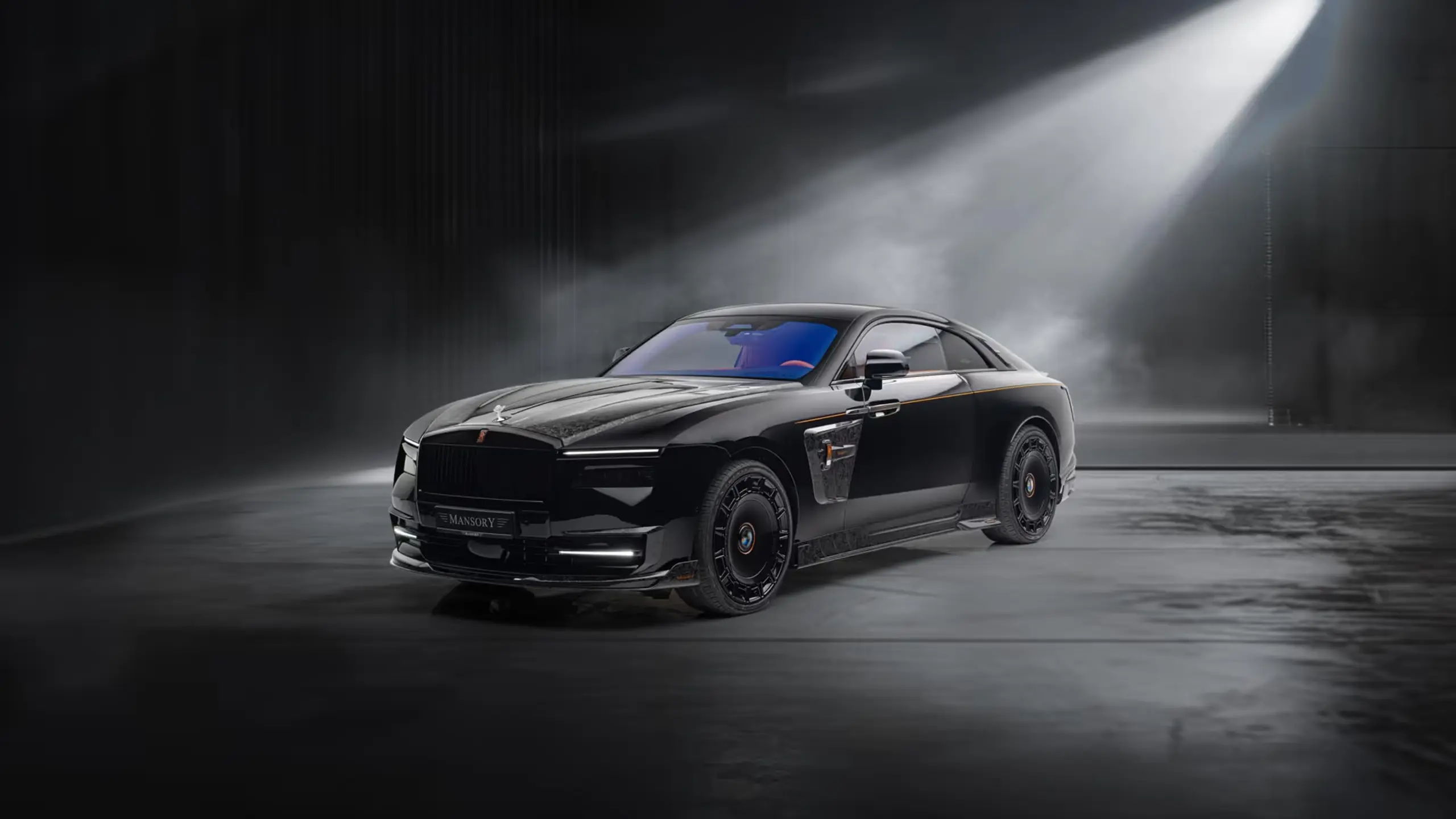
Gallery
Frequently Asked Questions
How long do Mansory carbon fiber components last?
With proper care and UV protection, Mansory carbon fiber components will maintain their structural integrity and appearance for 15-20 years or more. The autoclave curing process and premium clear coat system ensure exceptional long-term durability.
Can Mansory carbon fiber be repaired if damaged?
Yes. Minor cosmetic damage can be polished out, while structural damage can be repaired by Mansory's authorized service network. Carbon fiber is one of the few materials that can be repaired to near-original strength and appearance.
Is Mansory carbon fiber lighter than standard body panels?
Yes. Carbon fiber components are typically 40-60% lighter than the steel or aluminum panels they replace. A full Mansory body kit can reduce vehicle weight by 30-50 kg depending on the specific program.
What is the difference between dry and wet carbon fiber?
Dry carbon (pre-preg) uses precisely measured resin pre-impregnated into the fabric before autoclave curing. Wet carbon involves applying liquid resin by hand. Mansory exclusively uses dry carbon/pre-preg for superior consistency, strength, and surface finish.
Where can I purchase genuine Mansory carbon fiber components?
Authentic Mansory components are available through Hodoor World. Each component comes with Mansory's certificate of authenticity and full manufacturer documentation. Contact [email protected] for availability and pricing.
Shop Authentic Mansory Carbon Fiber
Every component verified, documented, and delivered worldwide. Explore the collection at Hodoor World.