Mitsubishi L200 Triton Tuning Guide 2026 — Body Kits, Wheels & Off-Road Upgrades


The Mitsubishi L200 Triton occupies a unique space in the global pickup market: it is rugged enough to handle desert dunes, jungle tracks and Scottish Highland roads, yet polished enough to park outside a Dubai hotel without embarrassment. Built on Mitsubishi's proven ladder-frame chassis and powered by a 2.4-litre four-cylinder diesel in 150 hp to 181 hp configurations, the 5th-generation KK/KL (2015–2018) and facelifted KL (2019+) L200 has become the foundation for one of the most active pickup tuning scenes in the world. Whether you are adding a lifestyle lift kit in Abu Dhabi, fitting a commercial-grade canopy in Chiang Mai, or speccing out an overlanding rig in rural Yorkshire, this guide covers every meaningful upgrade available — body kits, wheels, performance and interior.
Platform & Specs Overview
| Specification | Details |
|---|---|
| Engine | 2.4L MIVEC 4-cyl diesel (4N15) |
| Power Output | 150 hp (110 kW) / 181 hp (133 kW) depending on variant |
| Torque | 380 Nm (150 hp) / 430 Nm (181 hp) |
| 0–100 km/h | ~10.5 s (181 hp auto) |
| Transmission | 6-speed manual / 6-speed auto |
| 4WD System | Mitsubishi Super Select 4WD-II (SS4-II) — 2H/4H/4HLc/4LLc |
| Platform / Body | Ladder-frame, Double Cab / Club Cab |
| Production Years | 5th gen KK/KL 2015–2018; 6th gen KL facelift 2019–present |
| Key Markets | UAE, Thailand, UK, Australia, New Zealand, South Africa |
| Wheel Bolt Pattern | 6×139.7 mm |
Body Kits & Exterior Programmes
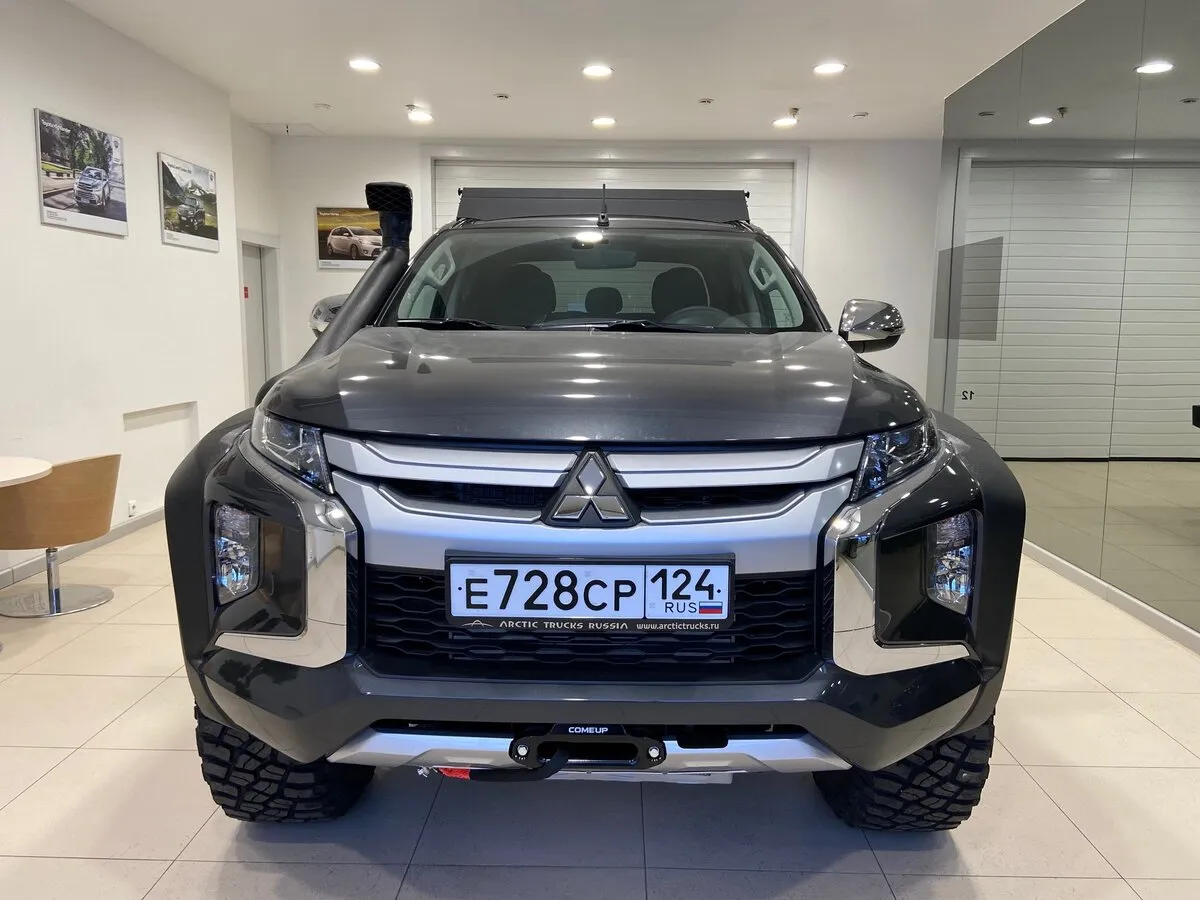
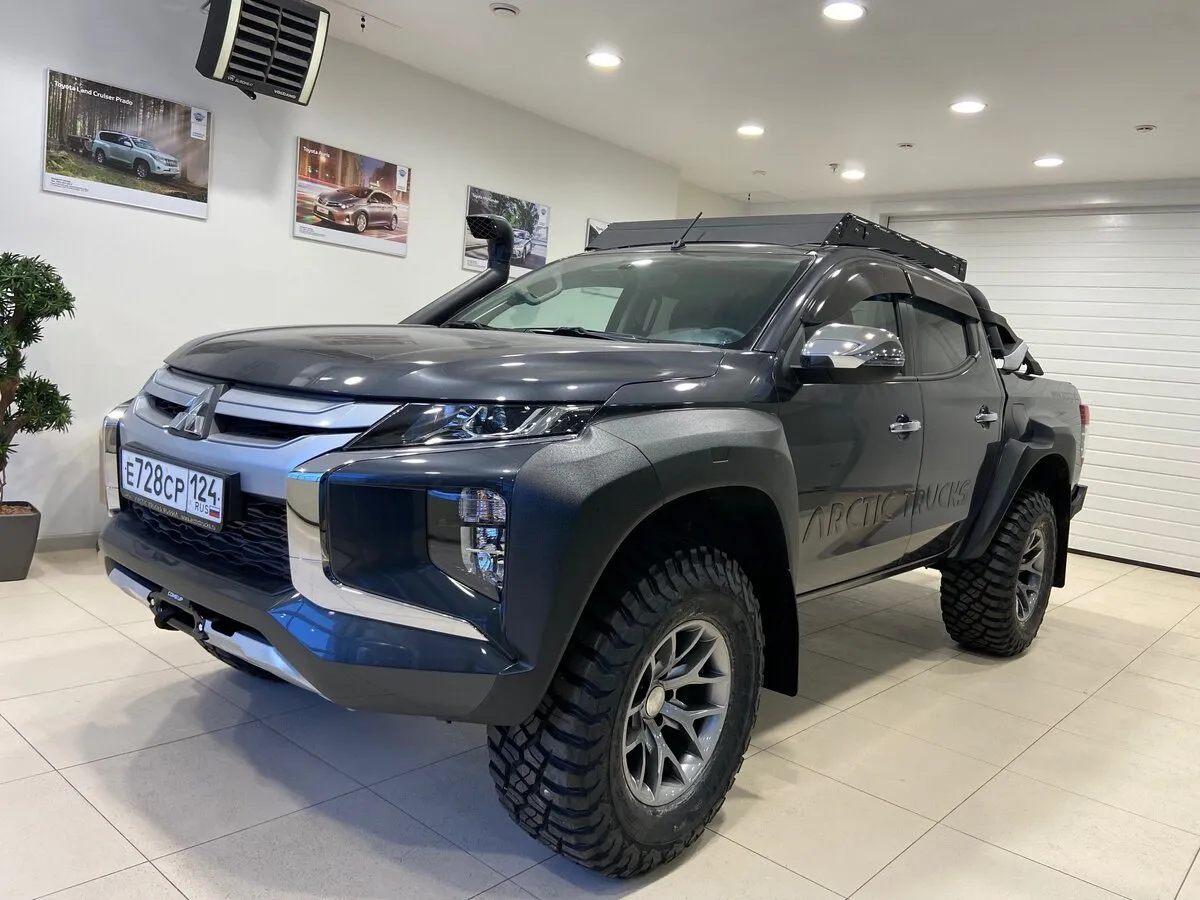
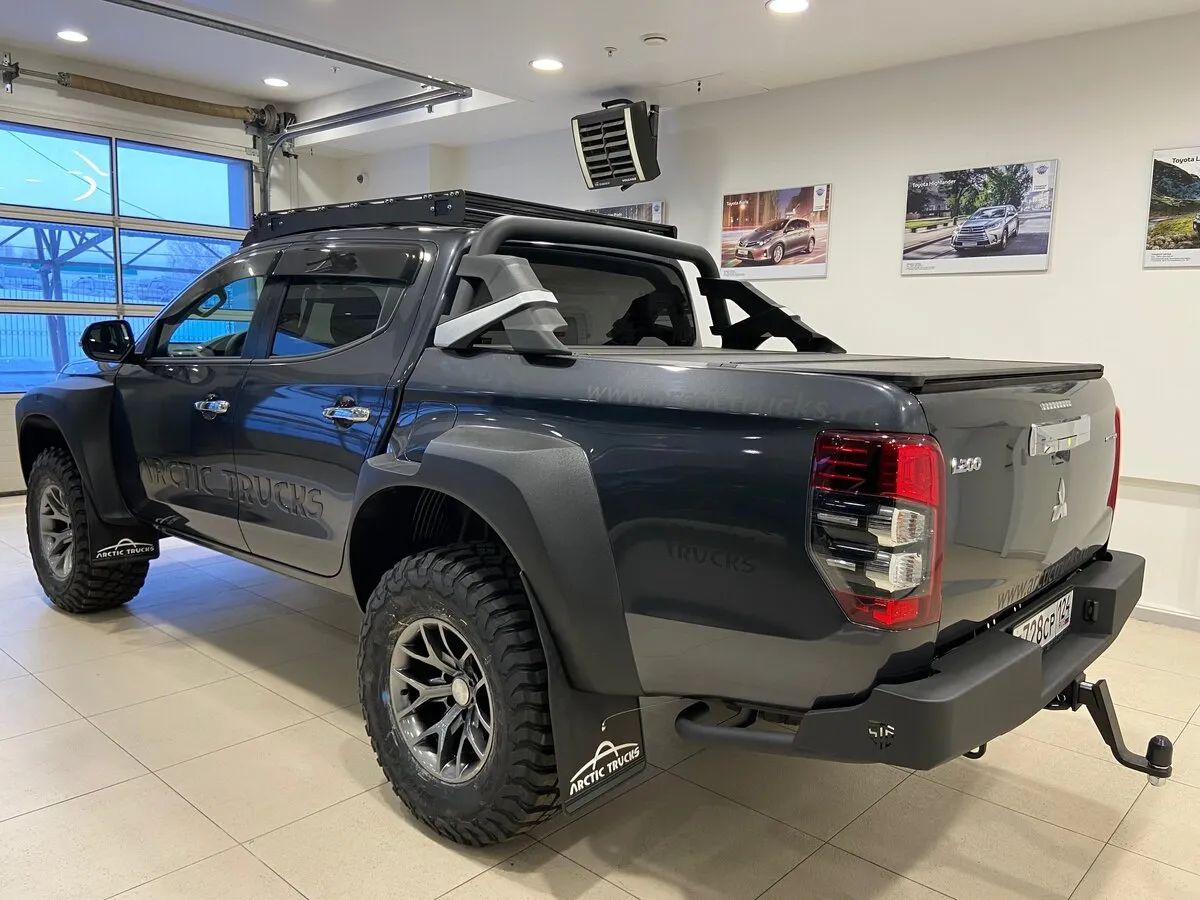
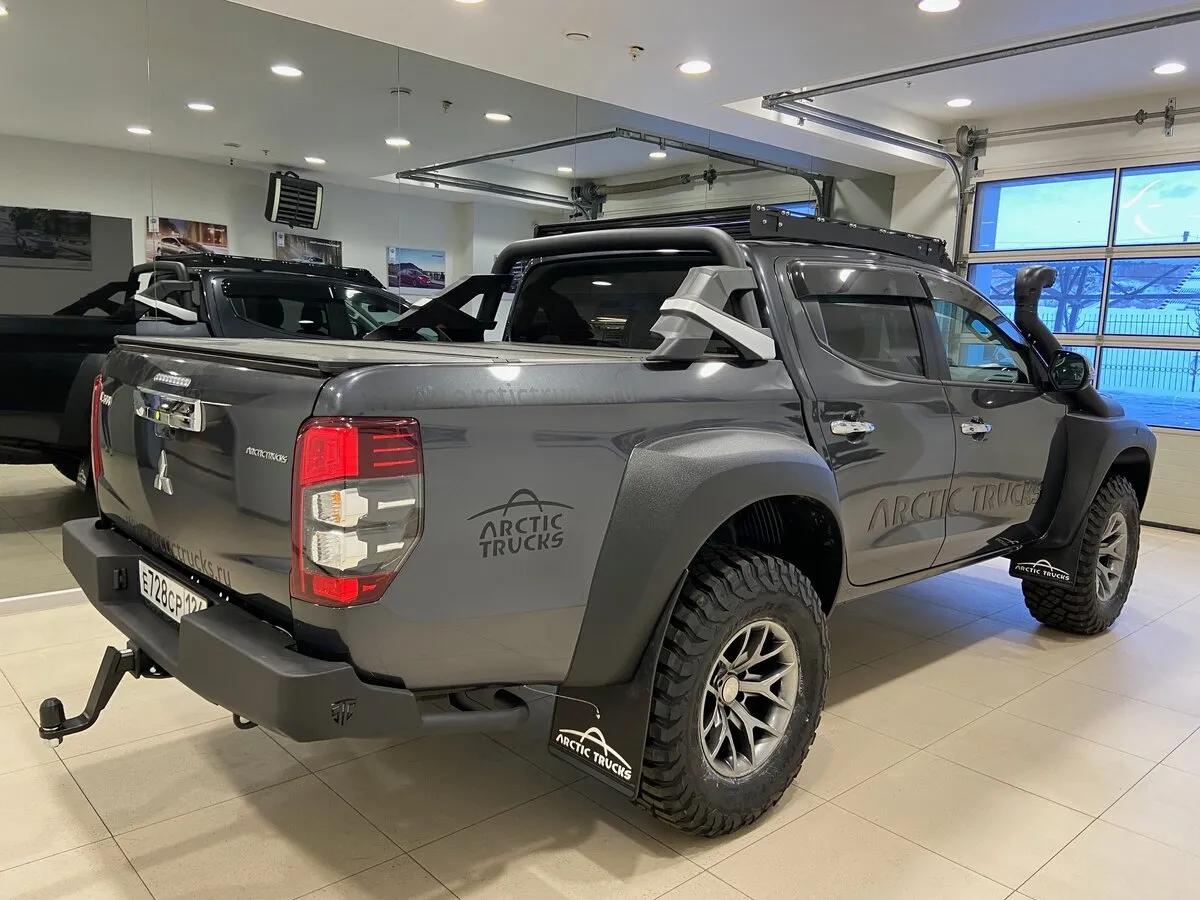
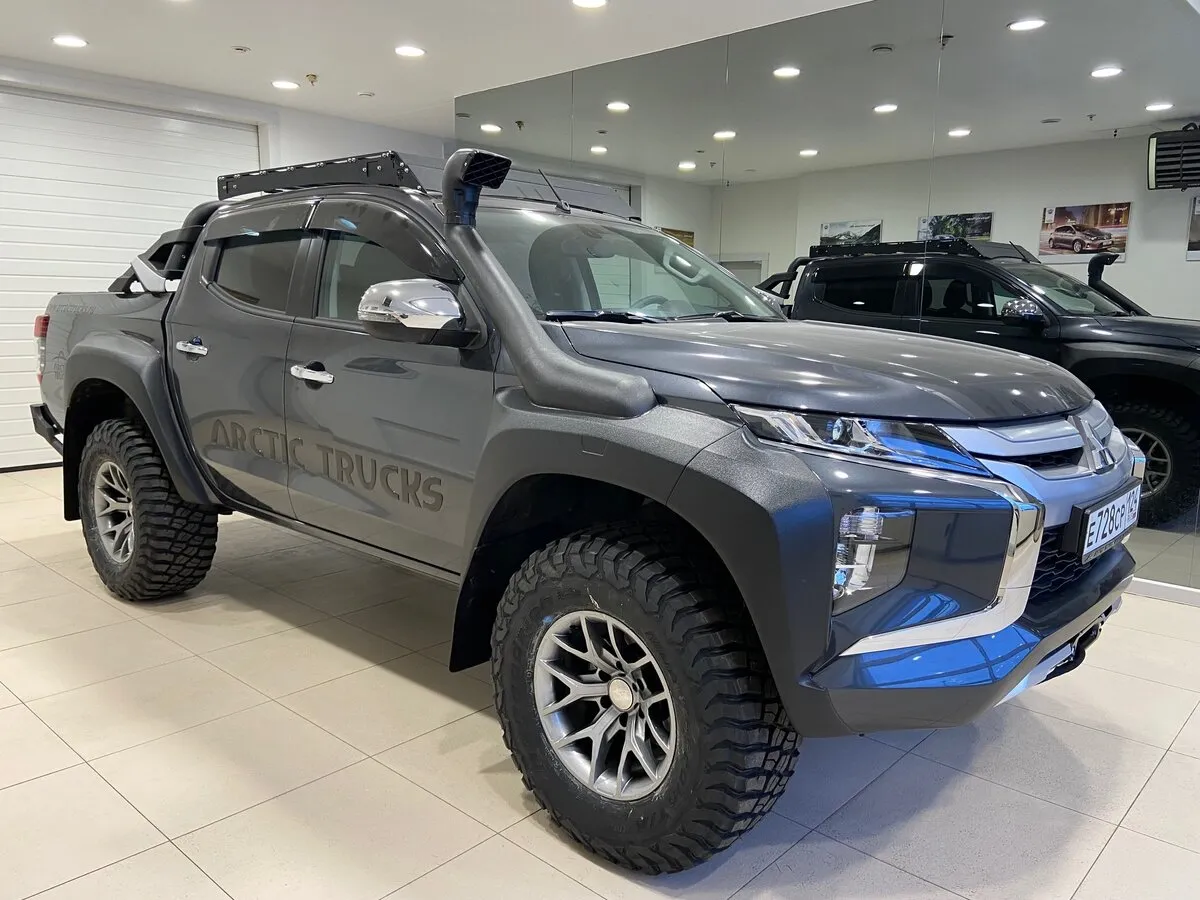
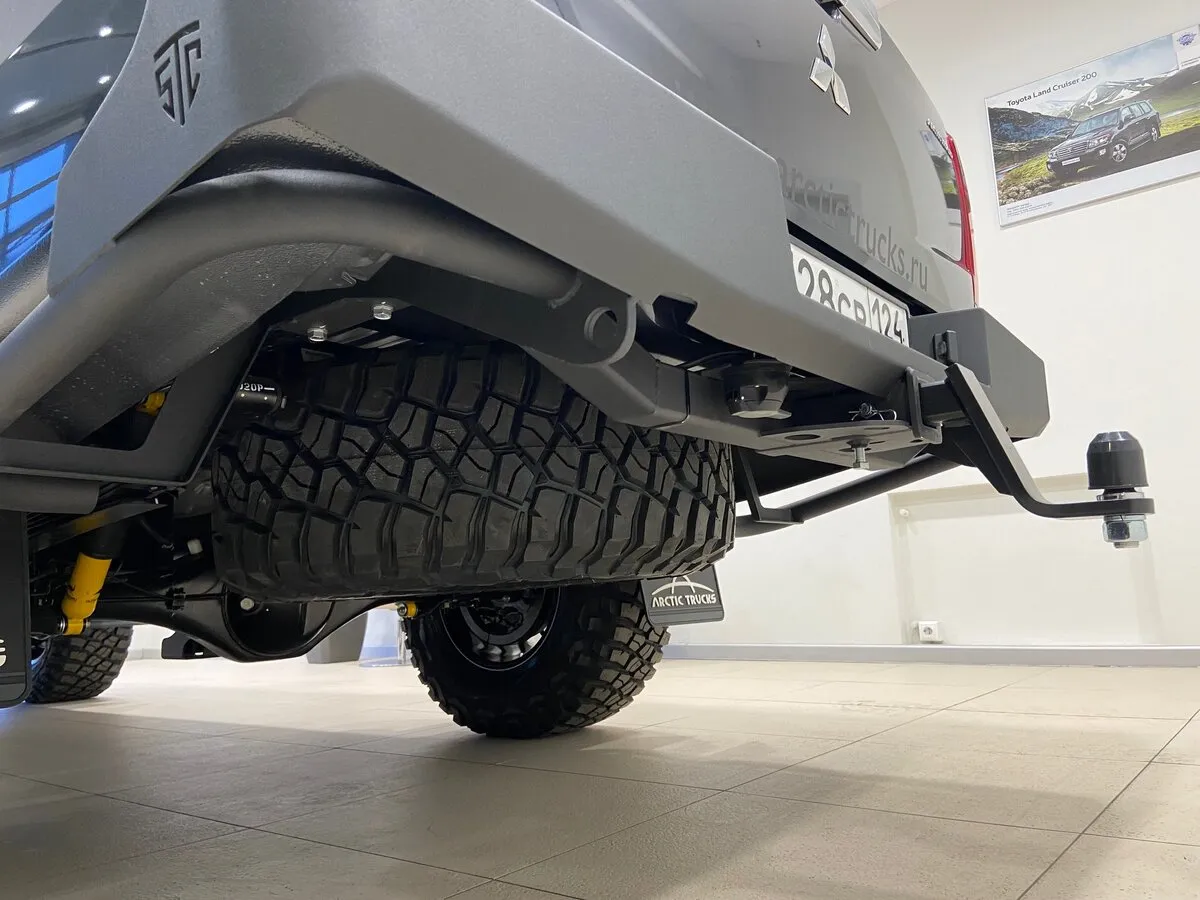
The L200's boxy double-cab shell responds extremely well to widebody fender flares, aggressive front fascias and sport roll bars. These are the leading programmes available in 2026.
Walkinshaw AT Full Conversion Kit
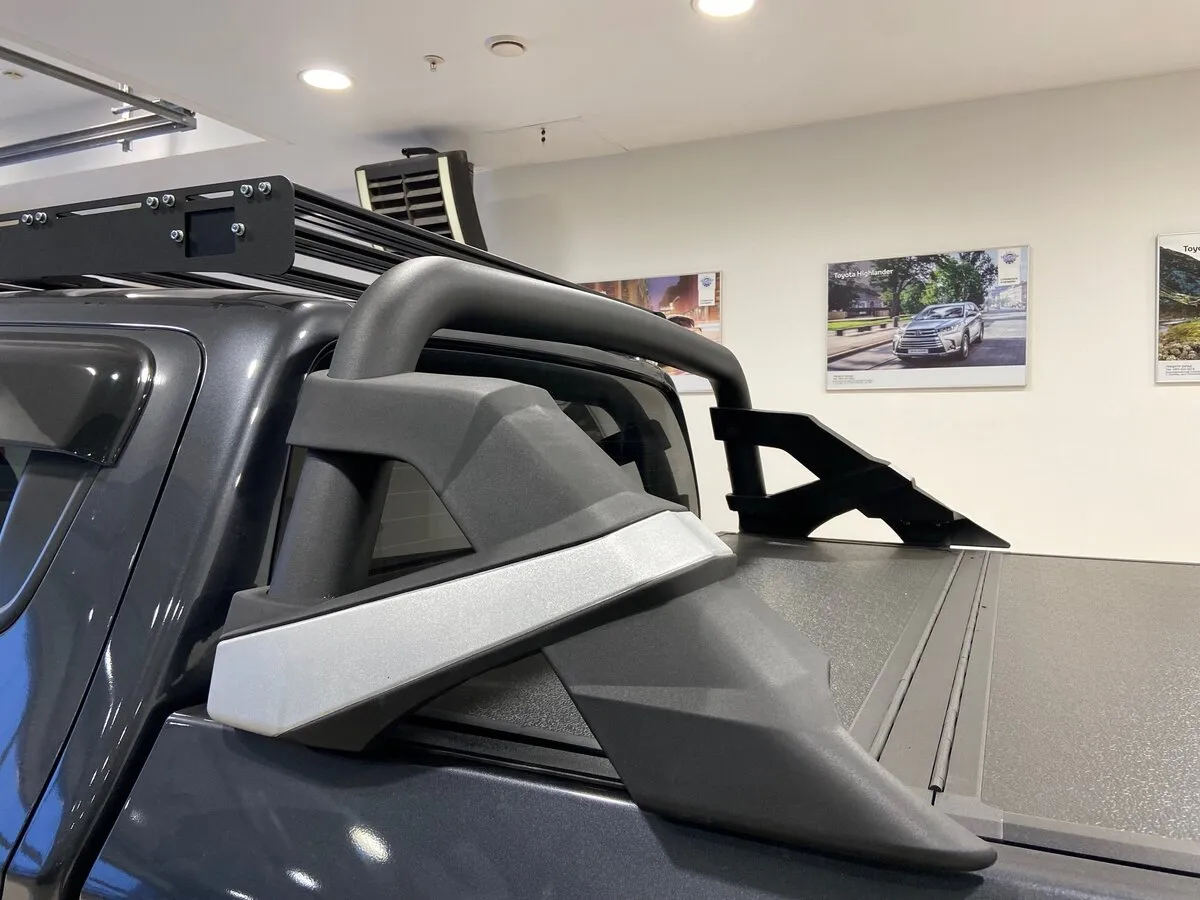
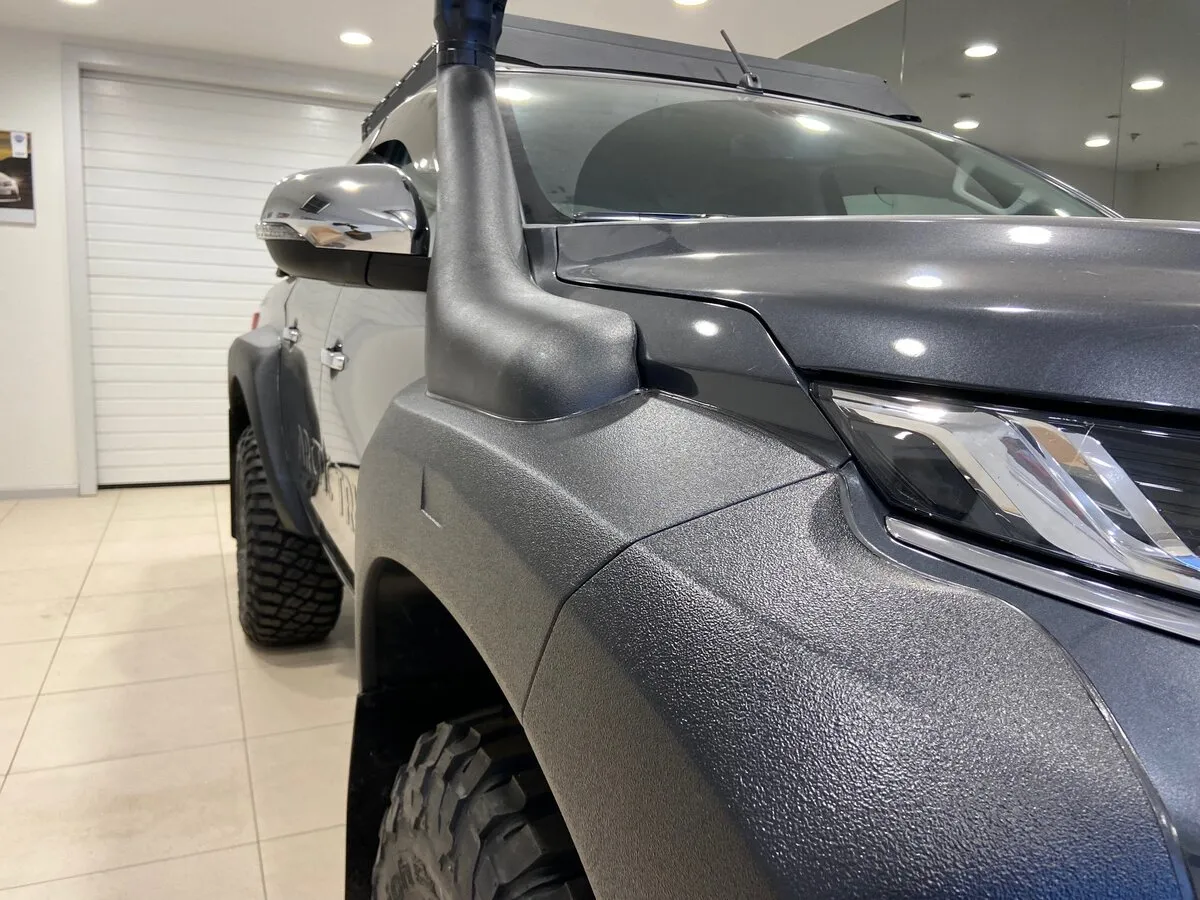
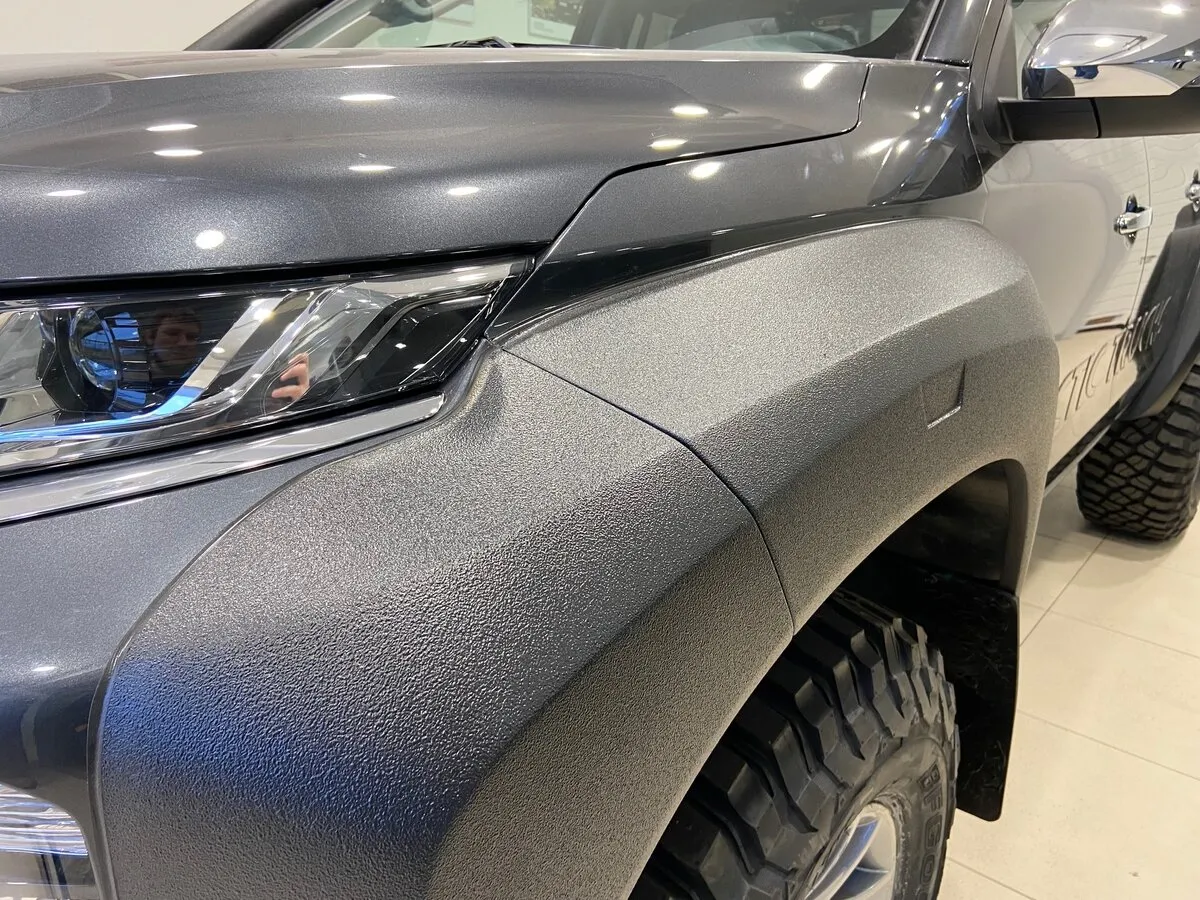
Walkinshaw Performance — the Australian tuning house with a long motorsport pedigree — produces one of the most comprehensive L200 transformation packages on the market. The Walkinshaw AT (All-Terrain) kit for the 2019+ L200 includes a full front bumper replacement with integrated LED light bar provisions, bolt-on 50 mm widebody fender flares in textured ABS, side steps with skid-plate finish, a rear sports bar with LED strip, and a bedliner-matched tailgate spoiler. The result is a truck that looks purpose-built for overlanding. The flares accommodate up to 285/70 R17 tyres on stock suspension and up to 305/65 R17 on a 50 mm lift. Walkinshaw kits ship from Australia and are available through authorised distributors in the UAE, UK and South Africa. Fitment requires no cutting — all panels use OEM mounting points.
Predator Performance Sport Body Kit
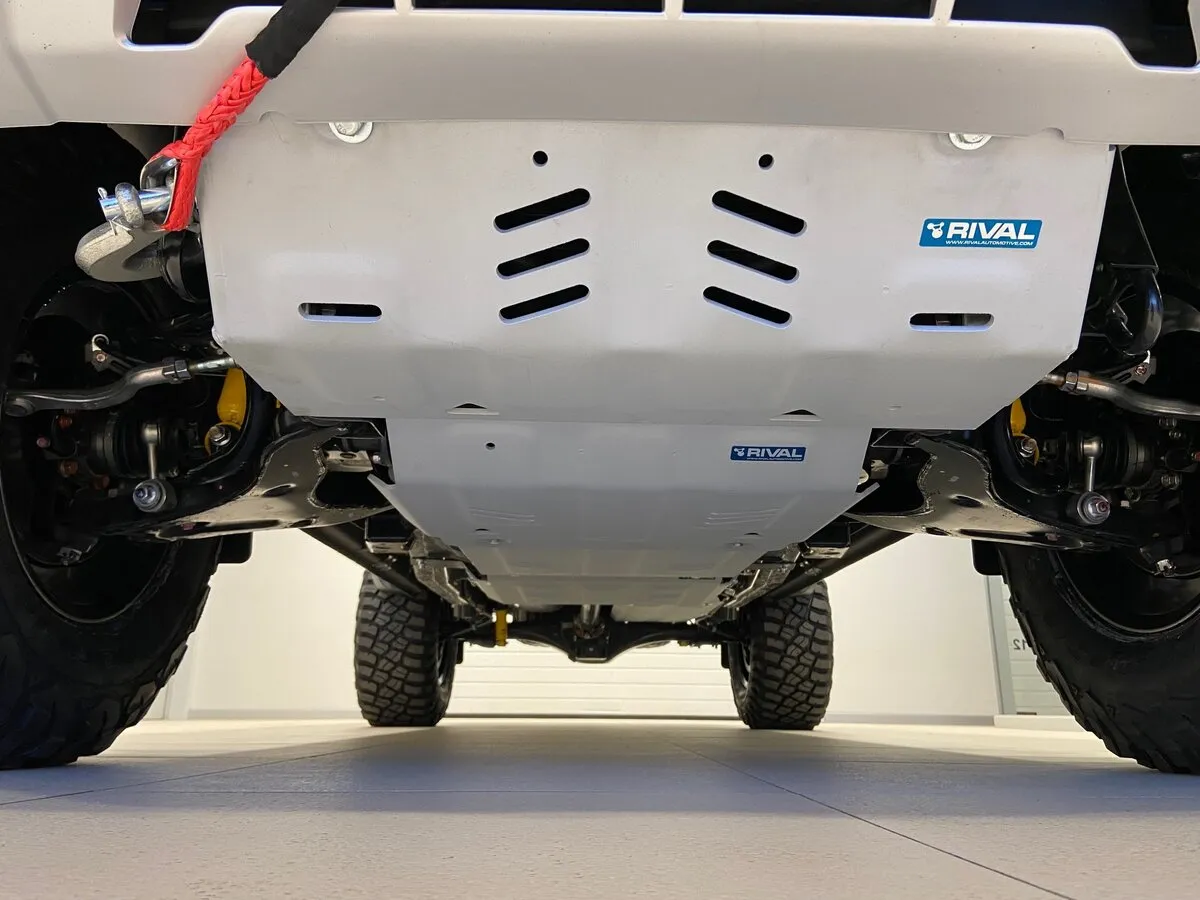
Predator Performance, based in the UK, has been making L200-specific accessories since the Triton's European launch. Their sport body kit consists of a deep front spoiler with integrated fog-lamp surrounds, side skirts, a rear bumper extension, and 30 mm front fender extensions compatible with the KL facelift nose. The kit is available in gloss black, matte black, and body-colour primer. Predator's particular strength is their dual-sport hood scoop, which adds functional airflow improvement for the intercooler on remapped engines pushing past 180 hp. The full kit typically installs in four to six hours and is designed specifically for the post-2019 facelifted front end, ensuring flush panel gaps. Predator also produce a matching roll bar, sports lid, and under-body protection plates sold separately.
EGR 3-Piece Flare Kit
EGR is perhaps the most widely recognised name in L200 accessories globally, with distribution covering over 40 countries. Their bolt-on 3-piece flare kit for the L200 extends the track by approximately 35 mm per side and is manufactured from UV-stabilised, paintable ABS thermoplastic. EGR flares are OEM-grade — they use factory-drilled holes and come with all required fasteners. For the UAE and GCC market, EGR also supply a full bonnet protector, nudge bar, sports bar, and side steps designed as a matched set. The flares clear 265/70 R17 without lift and accept 285/70 R17 on a 35 mm spacer lift. EGR parts carry a 3-year UV warranty and are available factory-direct or through Mitsubishi dealer accessory programmes in Australia, Thailand, and the UK.
Promaxx Performance Accessories
Promaxx focuses on the North American and Gulf markets and offers a more aggressive aesthetic: their L200 package includes a 3-inch bull bar in powder-coated steel (winch-capable to 9,500 lb), integrated side steps in polished 76 mm stainless, and a one-piece hard tri-fold tonneau cover. Their sports canopy — designed for the Double Cab — features flush-mount windows, roof rails rated to 75 kg dynamic load, and a blackout interior finish. Promaxx bull bars are EC-certified for the European market and ADR-approved for Australia. For UAE customers, the full steel bull bar plus side step package is one of the most popular spec additions given the prevalence of highway-speed camel crossings and off-road work routes.
Fury 4x4 Widebody Conversion
Fury 4x4, operating from South Africa and the UAE, produce one of the more dramatic widebody conversions for the L200 Triton. Their kit adds 60 mm per side across the full vehicle — front and rear quarter panels, full-width front bumper with a centre diffuser lip, and an integrated rear step bumper. The conversion accommodates 285/75 R16 or 305/70 R17 rubber on lifted suspension without rubbing. Fury's GRP (glass-reinforced plastic) panels are lighter than steel aftermarket equivalents and accept vinyl wrap or rattle-can paint. In the UAE market, Fury kits are often paired with a 50 mm Old Man Emu or Dobinsons suspension lift and a set of Method Race Wheels, producing a competition-ready visual statement for city and desert use alike.
Need help speccing your L200 build?
Our team has hands-on experience with every kit listed above — we can advise on fitment, import logistics, and which combinations work best for your region and use case. Drop us a line at [email protected] and we'll put together a personalised build plan.
Wheels & Tyre Fitment
The L200's 6×139.7 bolt pattern is shared with the Toyota Land Cruiser, Nissan Patrol, and Isuzu D-Max, which means access to one of the widest aftermarket wheel selections of any vehicle on the planet. Stock fitment on the top-spec Triton is 265/60 R18 on a 7.5J rim with ET+30 — decent, but conservative.
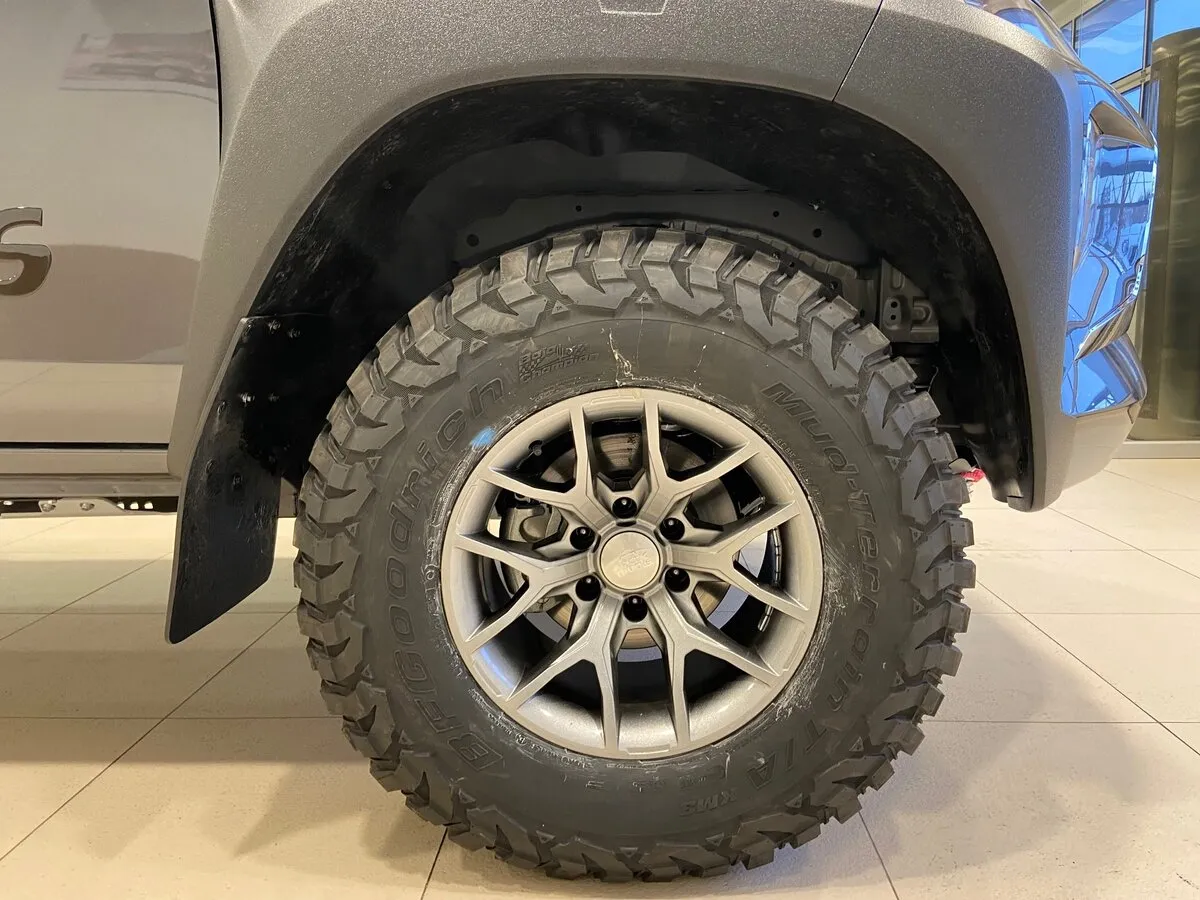
17-inch builds (off-road focus): The most popular off-road fitment drops to 17-inch diameter to gain tyre sidewall. Recommended sizing is 8J×17 ET+20 running 285/70 R17 all-terrain. This setup adds 25 mm sidewall compared to stock 18-inch, materially improving rock and pothole compliance. Preferred wheel choices include the Method Race Wheels MR305 NV in matte black (load rated to 1,500 kg per wheel), the Black Rhino Warlord in gloss gunmetal, and the Fuel Renegade D516 in satin black. On stock suspension, most 285/70 R17 fitments require a minor mudguard trim at full lock.
18-inch builds (lifestyle/street): For the UAE lifestyle spec, 18-inch wheels with a mild AT tyre maintain a premium kerbside look while retaining meaningful off-road capability. The 8.5J×18 ET+25 with 265/65 R18 is a popular choice — the slight width increase over OEM fills the arches better after EGR or Fury flare fitment. Top picks here are the Fuel Assault D576 (forged-finish, 8-spoke), KMC Wheels XD Series XD827 Rockstar 3, and the TSW Nurburgring in gloss black milled.
20-inch lifestyle builds: High-spec Triton builds in the UAE and Thailand often go to 20-inch with a street AT or highway tyre. 9J×20 ET+18 with 275/55 R20 works with Walkinshaw AT flares and a 40 mm suspension lift. At this size, forged aluminium is strongly recommended — a quality forged 20-inch wheel (such as the BBS CH-R or Vossen HF-7T) weighs 10–12 kg compared to 14–16 kg for a comparable cast piece, reducing unsprung mass and protecting the bearings over corrugated tracks.
Spacers: If running OEM width wheels with wider tyres, 25–30 mm wheel spacers (hubcentric, 6×139.7, CB 67.1 mm) are widely used. Stick to forged aluminium spacers from reputable brands — Eibach, Vespacer, or H&R — and always re-torque after 100 km.
Performance Upgrades — Diesel Remap & Engine Work
The 4N15 engine is a modern common-rail unit with twin-scroll turbo geometry and direct injection — exactly the type of diesel that responds well to ECU calibration. Out of the box the 181 hp variant is conservatively mapped, leaving significant headroom.
Stage 1 — ECU Remap
A standalone Stage 1 ECU remap — adjusting fuel pressure, injection timing, boost curve, and torque limiters — reliably delivers 200–210 hp and 460–480 Nm on a healthy stock engine. Tuners with L200-specific calibrations include Roadsport (UK), Diesel Care Australia, and BRT Tuning (Middle East). The Roadsport Stage 1 file for the 181 hp auto is widely regarded as the benchmark calibration: it retains OEM smoothness in Eco mode, adds measurable mid-range grunt from 1,600–3,200 rpm, and does not trigger any fault codes or DPF stress on stock hardware. Fuel consumption often drops 0.4–0.8 L/100 km at steady cruise despite the power increase.
Stage 2 — Intake, Intercooler & Exhaust
Adding a high-flow cold air intake (K&N or Roadsport), a front-mount intercooler (Roadsport or PWR Performance Products), and a 3-inch stainless catback exhaust allows Stage 2 calibration pushing 220–230 hp and 500–520 Nm. This level of tune significantly changes the character of the truck — the previously sluggish mid-range transforms into a genuinely quick unit. The exhaust note becomes a measured diesel growl rather than a drone. Note: at Stage 2 output levels the factory automatic transmission is operating near its torque limit; a transmission service with updated fluid and, ideally, a TCU remap is recommended.
Exhaust Systems
Standalone exhaust upgrades (without a remap) are popular in markets where ECU modification is restricted. A 3-inch cat-back from Promaxx, TurboXS, or Borla reduces exhaust back-pressure and gives a noticeably deeper note. Expect a modest 5–8 hp gain. For DPF-equipped UK and EU vehicles, only cat-back systems are road-legal; DPF removal is an MOT/TÜV failure and is not recommended for on-road use.
Suspension Lift
A suspension lift is not a pure performance mod, but it unlocks tyre clearance for the wheel fitment described above. The most popular lift kits for the L200 are the Dobinsons MRR (Monotube Remote Reservoir) in 40 mm or 50 mm, Old Man Emu BP-51 (50 mm, bypass piston), and the Ironman 4x4 Foam Cell Pro (40 mm). At 50 mm lift with All-Terrain tyres the L200 genuinely transforms its off-road capability, raising ground clearance to ~240 mm and approach/departure angles to ~31°/26°. Paired with a front diff lock (standard on SS4-II), it is competitive with far more expensive purpose-built 4WDs.
Interior Upgrades
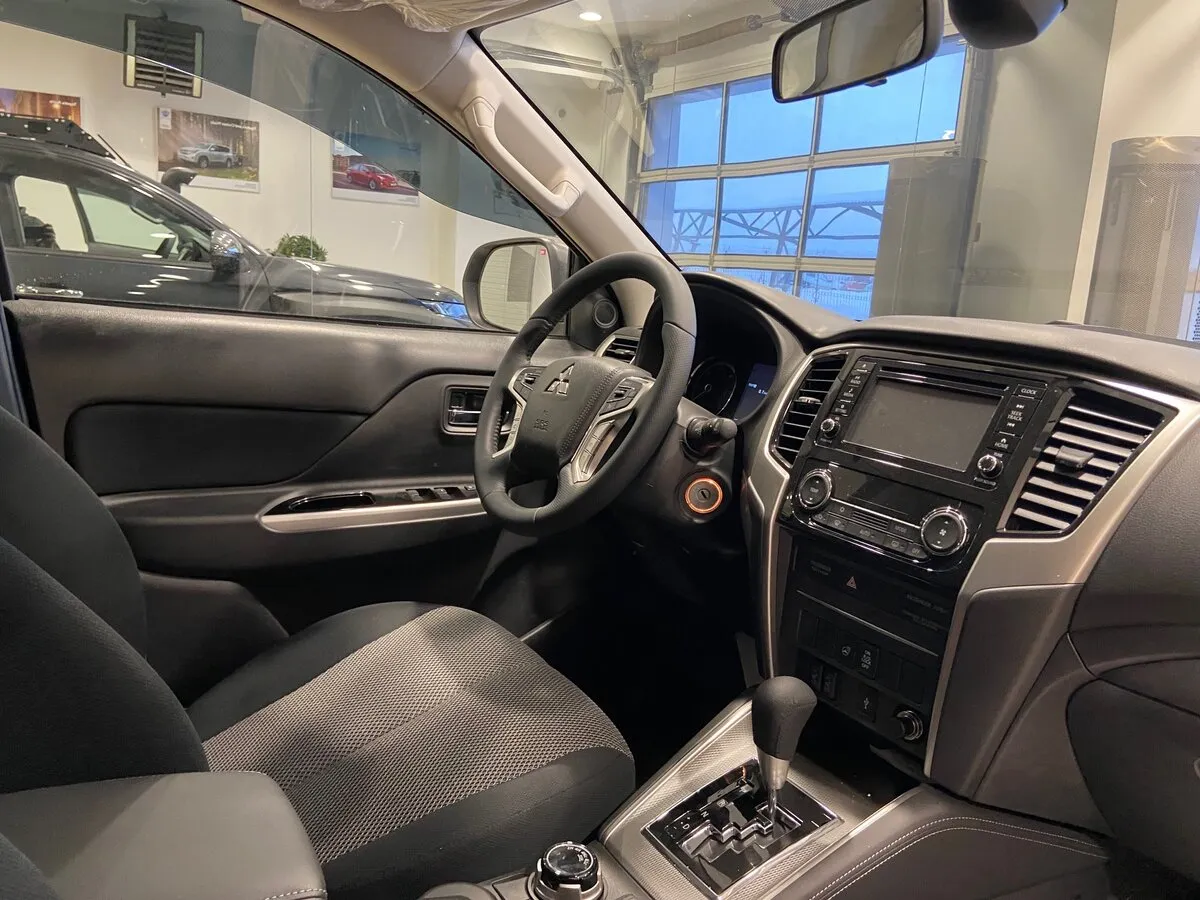
The L200's cabin is functional rather than luxurious — a deliberate design choice for a work-capable truck. The most impactful interior upgrades are seat re-trim in perforated Nappa leather (popular in the UAE market through workshops like Prestige Auto Interior Dubai), a Hardkorr or ARB-spec rear drawer system for the tub if a canopy is fitted, and an Android-based head unit replacement (the OEM 8-inch Mitsubishi Connect unit is underpowered by 2026 standards). A STEDI or Baja Designs dash-mount light controller is commonly added alongside LED light bar installations. For the UAE and Thai markets, custom ambient lighting kits that match the exterior LED accent colour are increasingly common on upper-trim builds.
Who Buys This?
The Mitsubishi L200 Triton attracts three quite distinct buyer personas, each with different tuning priorities.
The UAE Lifestyle Buyer. In the Gulf states — particularly the UAE, Saudi Arabia, and Kuwait — the L200 is both a weekend toy and a daily status statement. This buyer typically owns a sedan or SUV as a primary vehicle and uses the Triton for desert camping trips, Friday dune runs, and the occasional wadi crossing. Their build prioritises visual presence: Walkinshaw AT or Fury 4x4 widebody flares, a matching set of 20-inch forged wheels in satin black, and LED lighting that makes the truck unmistakable in a supermarket car park. Performance is secondary but not irrelevant — a Stage 1 diesel remap is standard practice as the stock 181 hp feels anaemic on long desert highway runs. Budget for a full exterior transformation: AED 18,000–35,000 (approximately USD 5,000–9,500).
The UK Countryside Owner. In Britain, the L200 is among the best-selling pickups, used by farmers, tradespeople, and weekend adventurers who need genuine towing and carrying capability Monday through Friday and want to explore green lanes and forest tracks at the weekend. This buyer's priorities are functional: a quality 40–50 mm suspension lift for ground clearance, 265/70 R17 all-terrain tyres, a hardtop canopy for load security, and a Stage 1 remap to restore the power lost when towing at gross vehicle mass. Visual modifications are kept practical — black powder-coated side steps, nudge bar, and maybe EGR flares. Total spend: typically £3,500–£7,000.
The Southeast Asian Commercial-Meets-Lifestyle Buyer. In Thailand, Malaysia, and the Philippines, the L200 straddles a work-life divide that does not exist in the West. By day it may be hauling produce or construction materials; by evening it parks outside a restaurant looking like a well-specced lifestyle truck. This buyer is pragmatic: aftermarket accessories are chosen for dual function — a steel sports bar doubles as a mounting point for a work light and a weekend light bar; a bed liner protects against commercial load damage while looking clean. EGR and Promaxx accessories dominate this market due to pricing and availability. A modest remap (Stage 1) and a set of 17-inch alloys in gunmetal finish complete the typical build. Budget: approximately USD 2,500–5,000 spread over several years.
Frequently Asked Questions
Will a Stage 1 remap void the Mitsubishi factory warranty?
In most markets, ECU modification technically voids the powertrain warranty — Mitsubishi dealers can detect a remap via the ECU's flash counter. However, many tuners (Roadsport, BRT Tuning) offer a revert-to-stock service before dealer visits. The practical risk is low on the 4N15 engine, which is widely regarded as robust at Stage 1 power levels. In Australia, the ACCC consumer protection rules mean dealers must prove the modification caused the specific failure before refusing warranty — so the real-world warranty risk is often overstated.
What is the widest tyre I can fit on stock suspension?
On the standard 2019+ L200 without any lift, 265/65 R18 fits without rubbing. Moving to 285/65 R18 or 285/70 R17 requires a 25–35 mm suspension lift and often a minor mudguard liner trim at full steering lock. On a 50 mm lift kit, 305/65 R17 is achievable with arch flares. Going beyond 305 mm width typically requires a body lift or major flare work and begins to compromise full-lock turning radius.
Is the Mitsubishi Super Select 4WD-II system capable enough for serious off-road use?
Yes — the SS4-II system is genuinely one of the better factory 4WD systems in the pickup segment. Unlike many rivals that only offer part-time 4WD, the SS4-II allows full-time 4WD on high-traction surfaces (4H) without driveline wind-up, has a proper low-range reduction (4L), and includes a centre differential lock. Combined with standard Hill Descent Control and the optional rear diff lock on higher trim levels, it is more capable than most buyers ever need. Serious rock-crawling builds often add an aftermarket front diff lock (ARB Air Locker) for the rare situations the stock system reaches its limit.
Which body kit fits the 2019+ facelift nose without modification?
The 2019+ KL facelift uses a significantly different front bumper and grille design compared to the 2015–2018 KK/KL. Kits designed specifically for the facelift include: Predator Performance Sport Kit (UK, designed for 2019+), EGR flare kit (universal mount, fits both generations), and Walkinshaw AT front fascia (designed for post-2019 nose). If you are running a pre-2019 L200, check compatibility carefully — many kits reference "KL" but were designed for the original KL nose, not the post-facelift version. Fury 4x4 widebody kits are produced in both pre and post-facelift variants; specify your build year when ordering.
Ready to start your L200 Triton build?
Hodoor ships body kits, wheels, and performance parts to the UAE, UK, Thailand, Australia and beyond. Our specialists know the L200 inside out. Contact us at [email protected] to discuss your build — we'll handle import paperwork, fitment advice, and sourcing from multiple suppliers to get you the best price.