Cadillac Escalade (5th Gen) Tuning Guide 2026 — Body Kits, Wheels & Performance


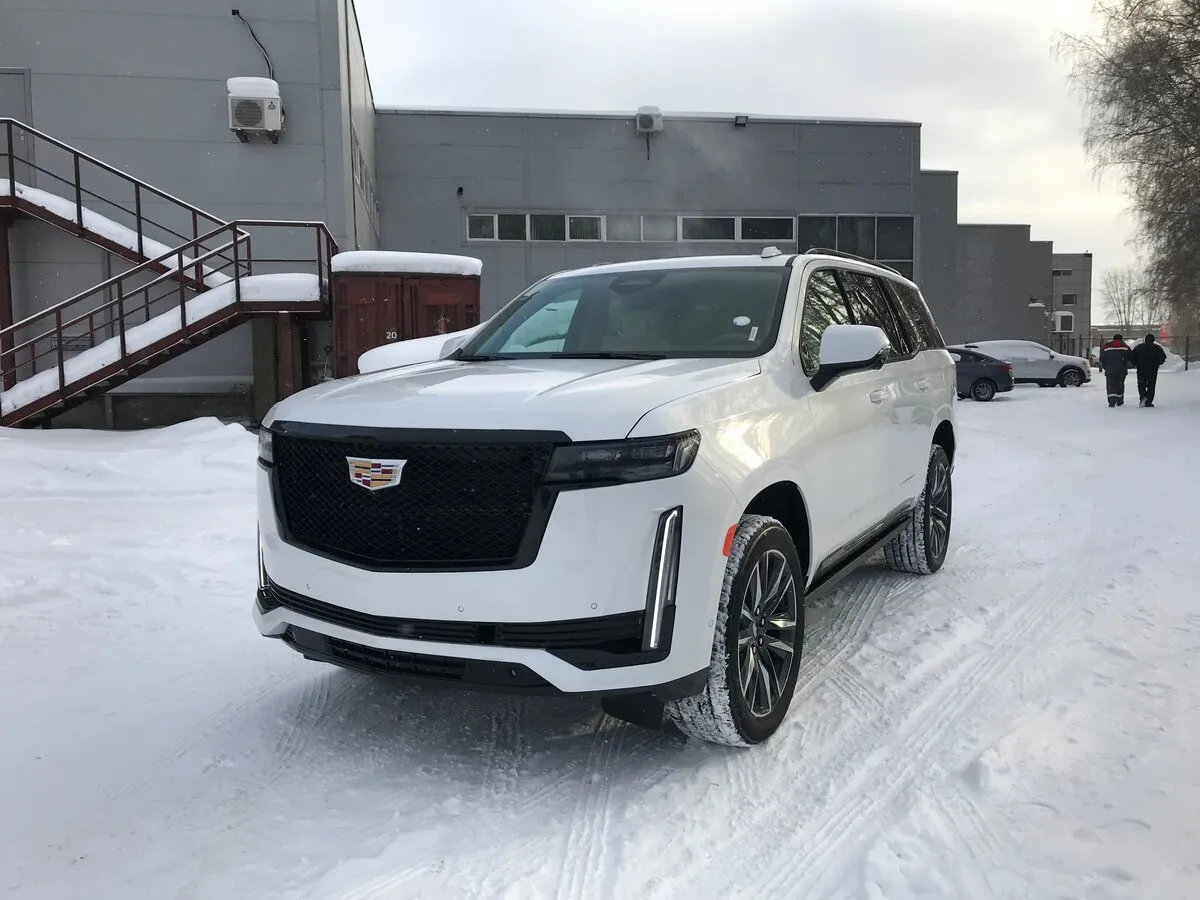
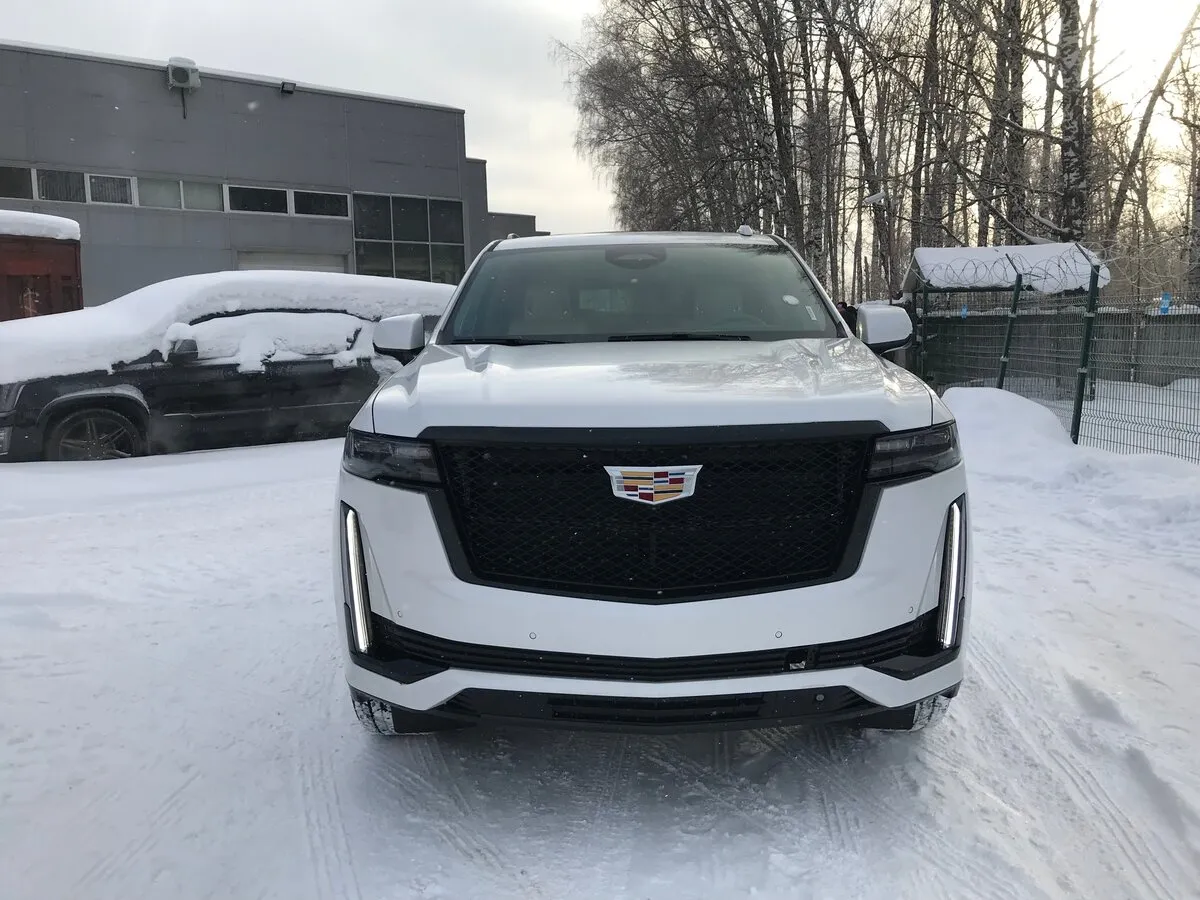
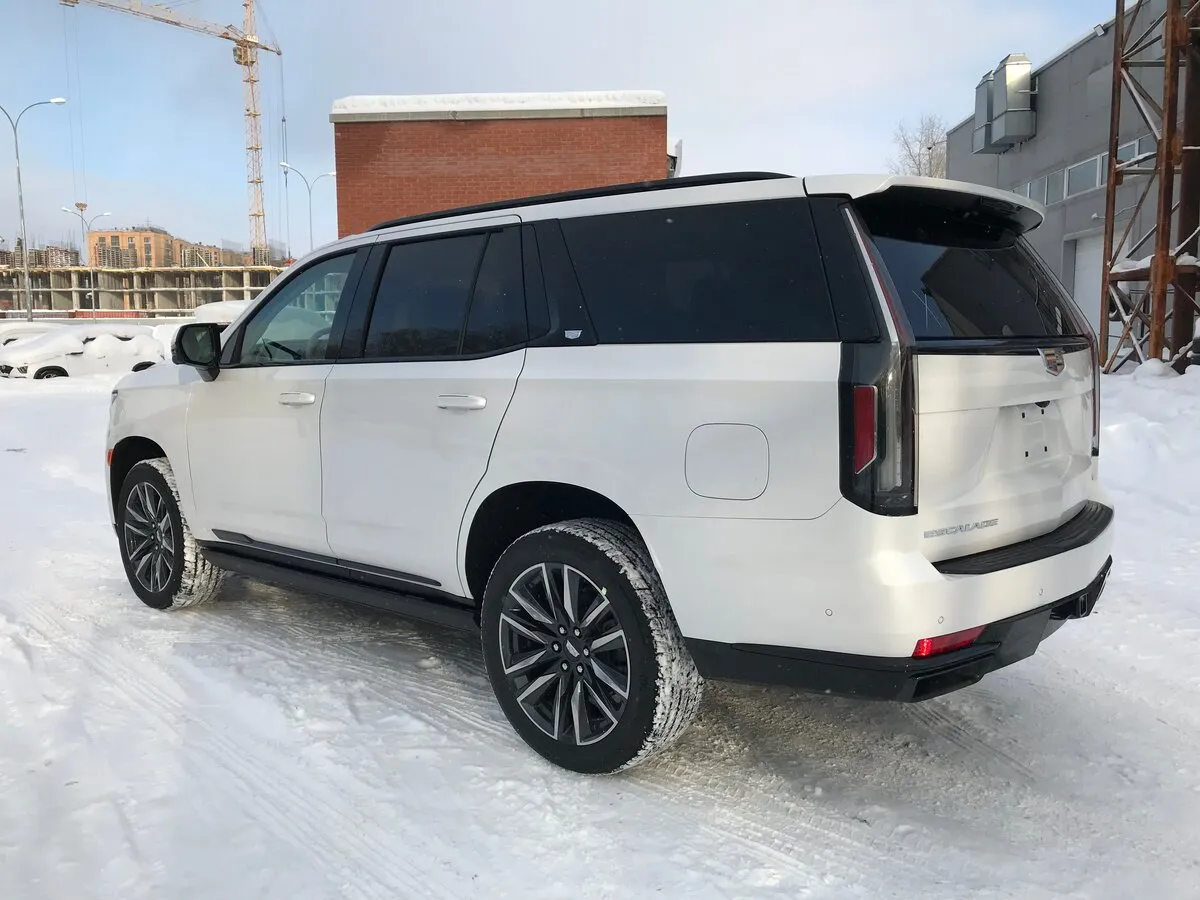
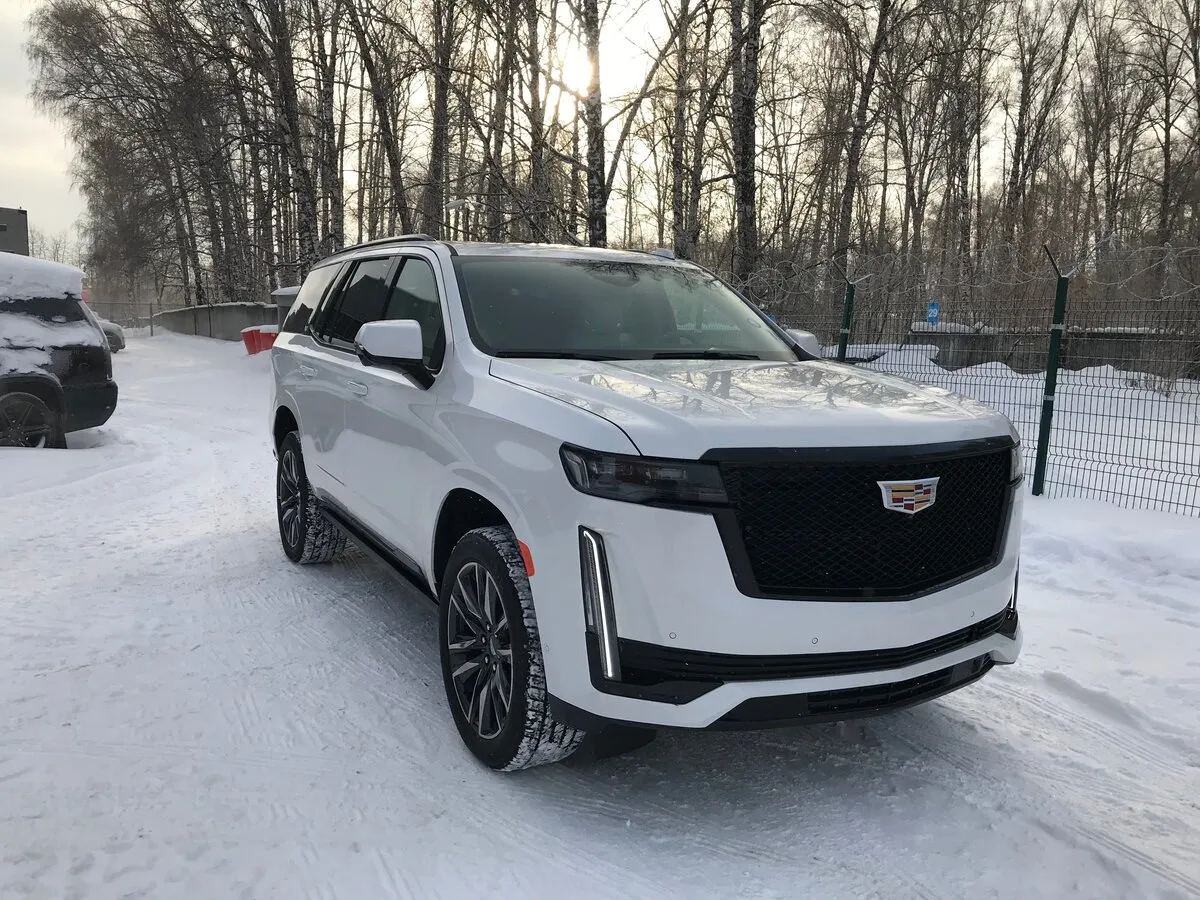
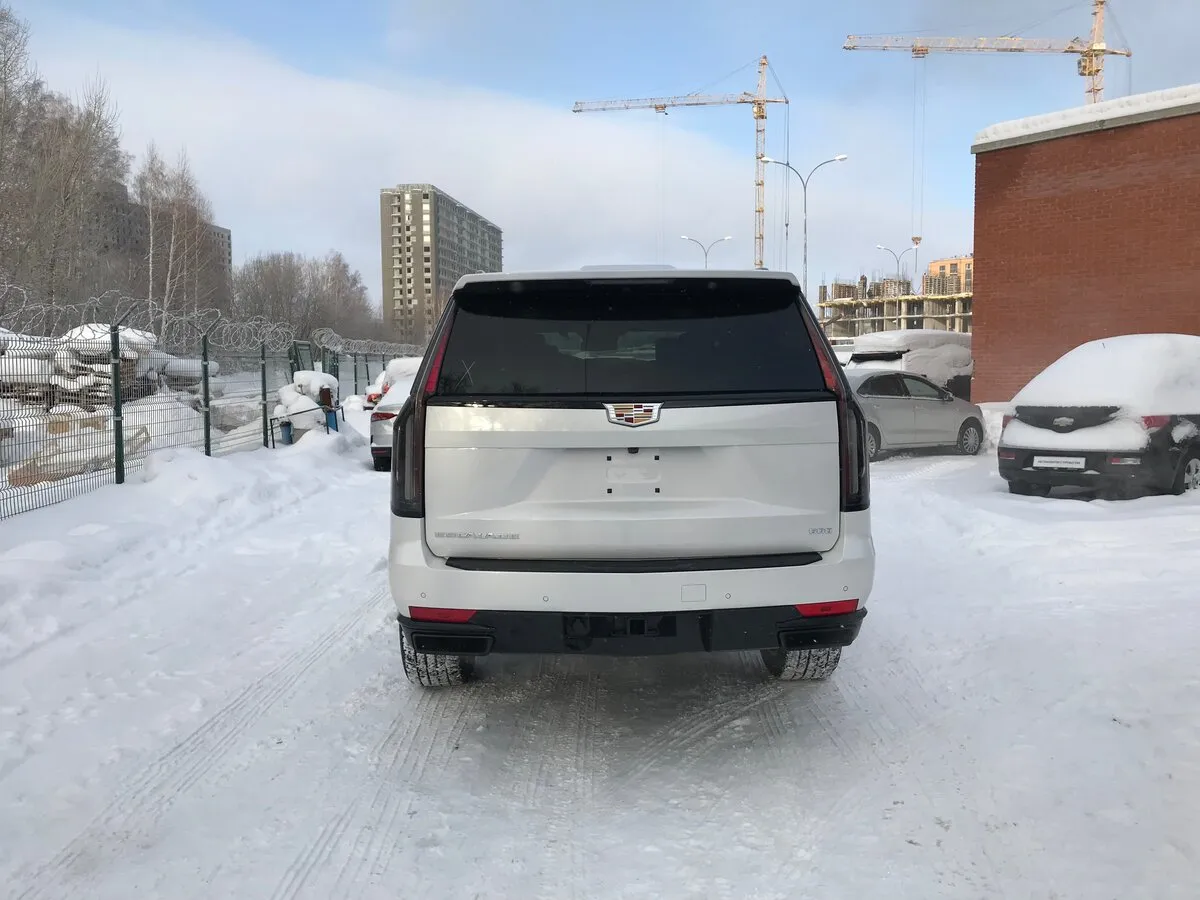
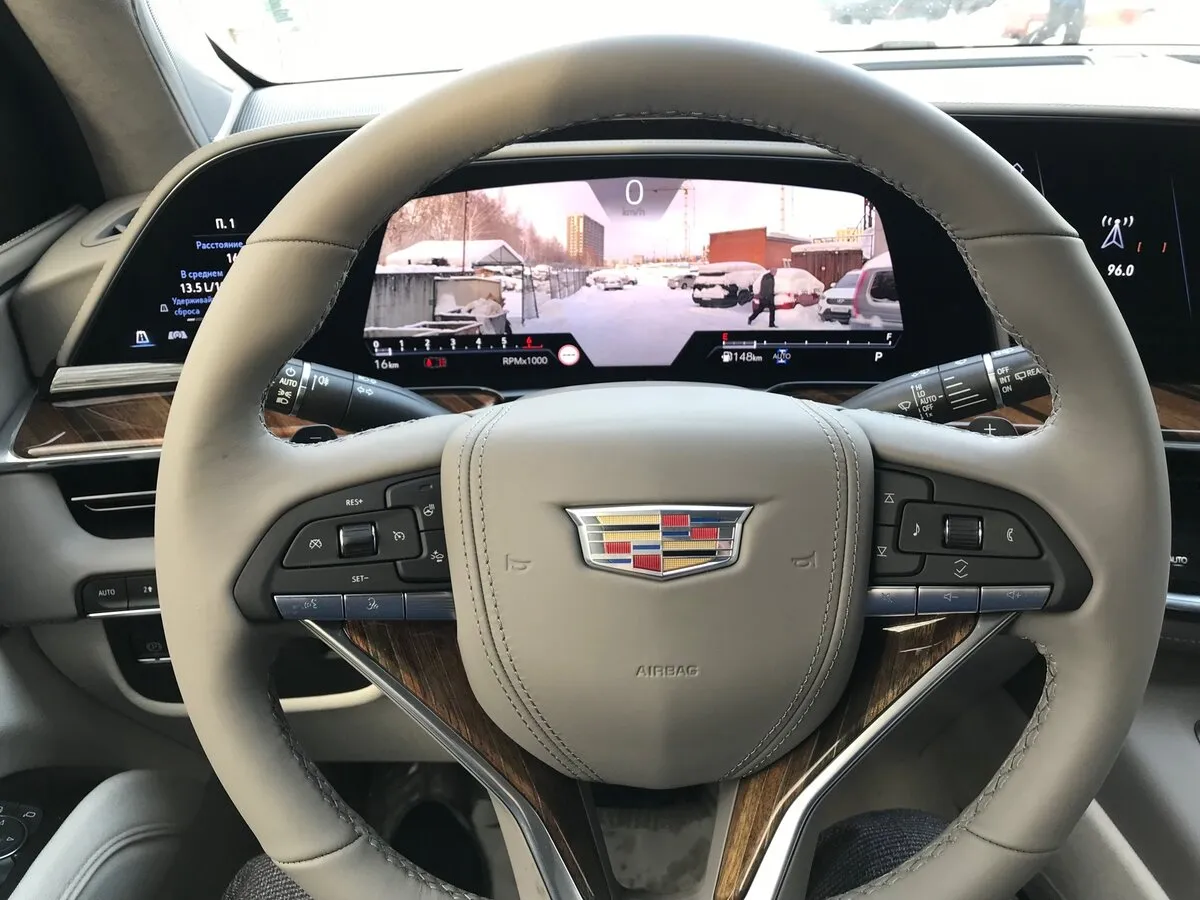
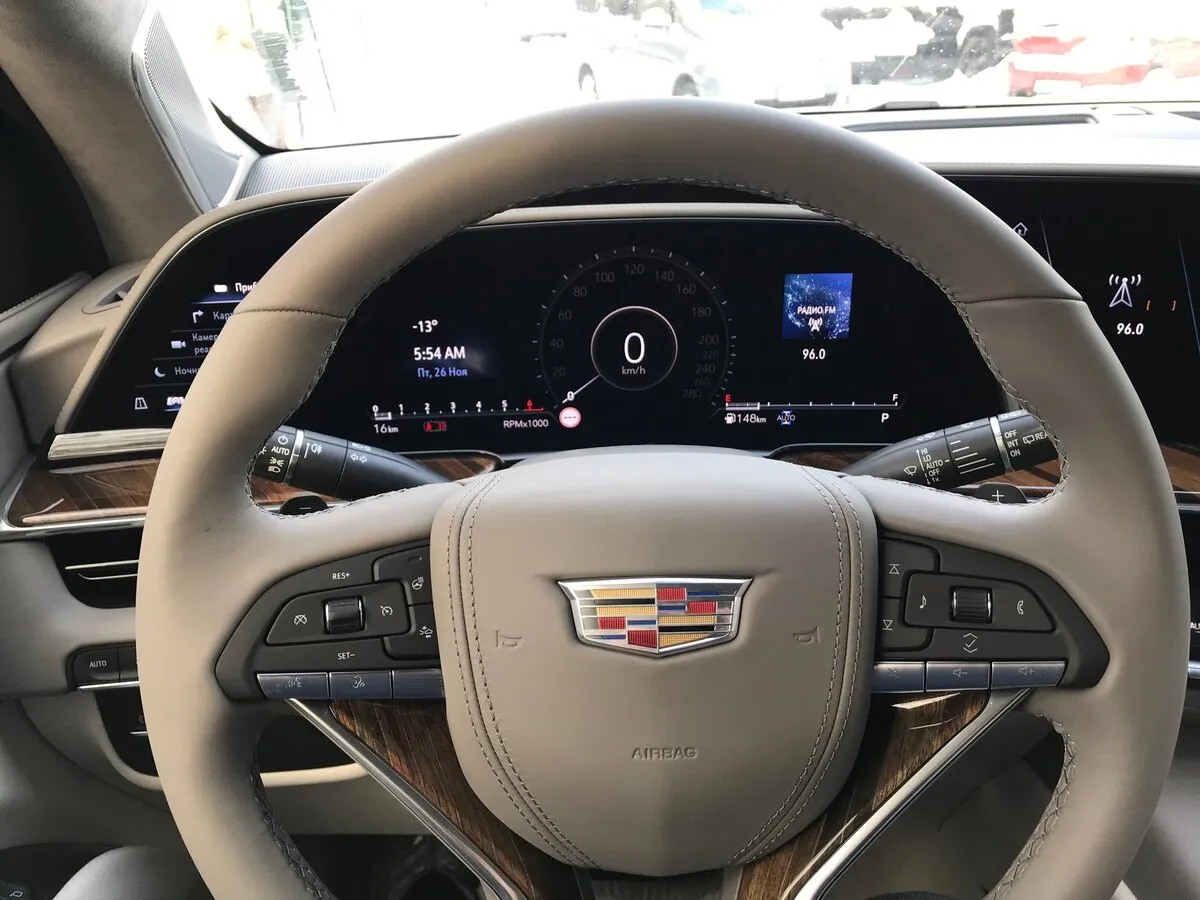
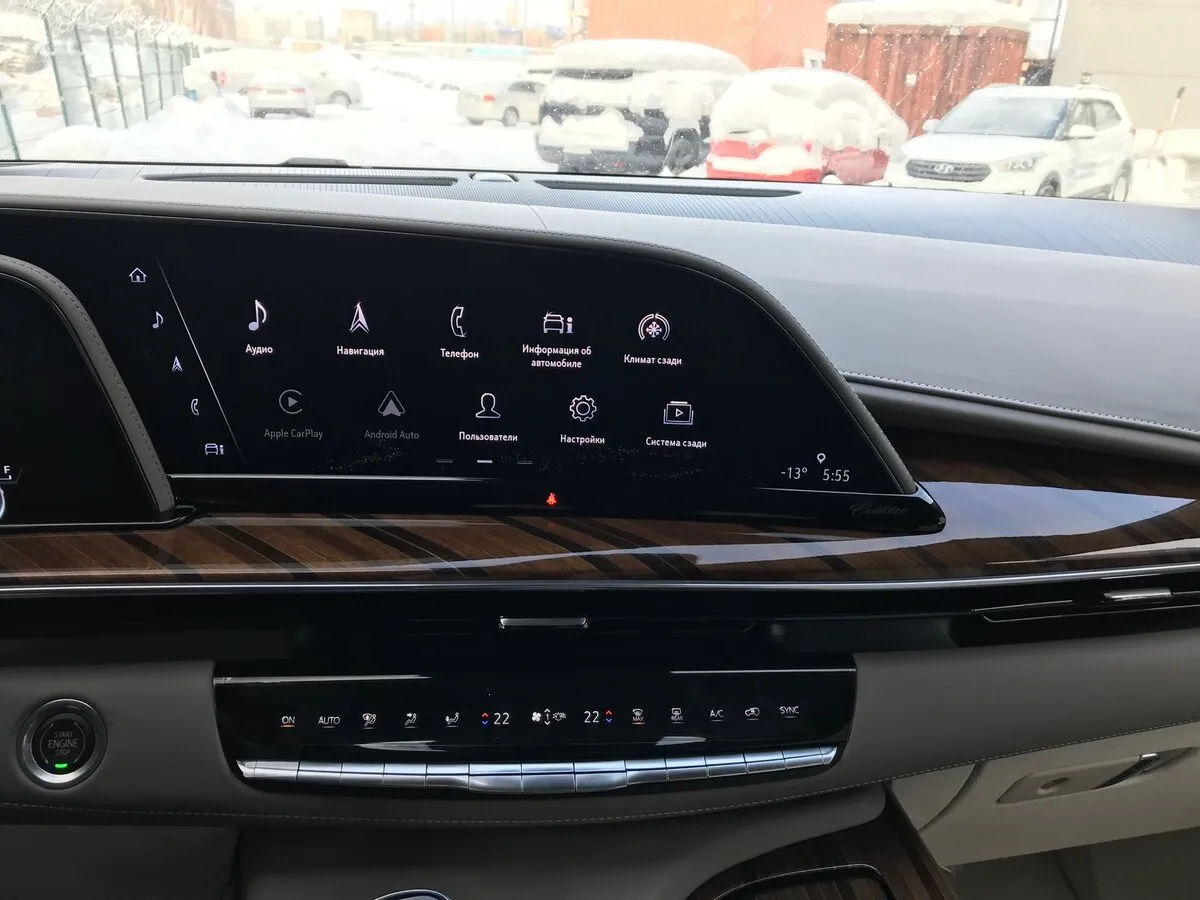
The Cadillac Escalade (5th generation, 2021+) is the standard-wheelbase flagship of General Motors' full-size luxury SUV line — 211 inches of GMT T1XX platform, a 38-inch curved OLED dashboard, MagneRide 4.0 suspension, Super Cruise hands-free driving, and either a 6.2-litre L87 V8 pushing 420 hp and 624 Nm or a 3.0-litre LM2 Duramax inline-six turbodiesel making 277 hp. In 2022 Cadillac added the Escalade-V: a supercharged 6.2-litre LT4 V8 delivering 682 hp and 885 Nm — the most powerful production full-size SUV Cadillac has ever built. This guide covers every meaningful upgrade available for the 5th-gen standard-wheelbase Escalade — body kits, wheels, performance, interior — and maps each build path to the actual owner who would commission it.
Cadillac Escalade — Key Specifications
Body Kits — Real Tuner Programmes
Renegade Design
Renegade Design, based in Dubai, is the most aggressive and recognisable body-kit brand for the 5th-gen Escalade. Their programme includes a full front-bumper replacement with vertically stacked LED accent strips and a carbon splitter, pronounced fender flares that widen the track by roughly 40 mm per side, carbon side skirts, a full rear-bumper conversion with integrated diffuser, a roof-mounted LED light bar, and an optional tailgate carbon appliqué. Every piece is hand-laid dry carbon and finishes are available in gloss, matte, or forged exposed weave. Renegade also supplies a matching bespoke grille with Renegade lettering that replaces the factory Cadillac shield. The kit bolts onto the factory Escalade without any structural modification to the body-on-frame chassis — this matters for resale. Middle East clients typically pair Renegade's Escalade kit with 26-inch forged wheels and a full colour-change vinyl wrap in Nardo Grey, Frozen Black or Satin White.
Forgiato Widebody Programme
Forgiato is best known as a wheel brand but also runs a complete Escalade visual programme in partnership with several North American coachbuilders. Their widebody conversion includes a forged front bumper with integrated air intakes, CNC-machined grille inserts, wheel-arch extensions designed specifically to clear 26 and 28-inch Forgiato wheels, billet side steps, a bespoke rear bumper with quad exhaust cutouts, and a carbon roof spoiler. The programme is popular with US celebrity and music industry clients and is frequently specified alongside Forgiato's own Tec, Blocco or Maglia forged wheels in brushed or polished finishes. Forgiato kits are assembled at select authorised coachbuilders in Los Angeles and Miami — fit tolerances are excellent, and the kit is colour-matched in-house before installation.
Lexani Motorcars VIP Conversion
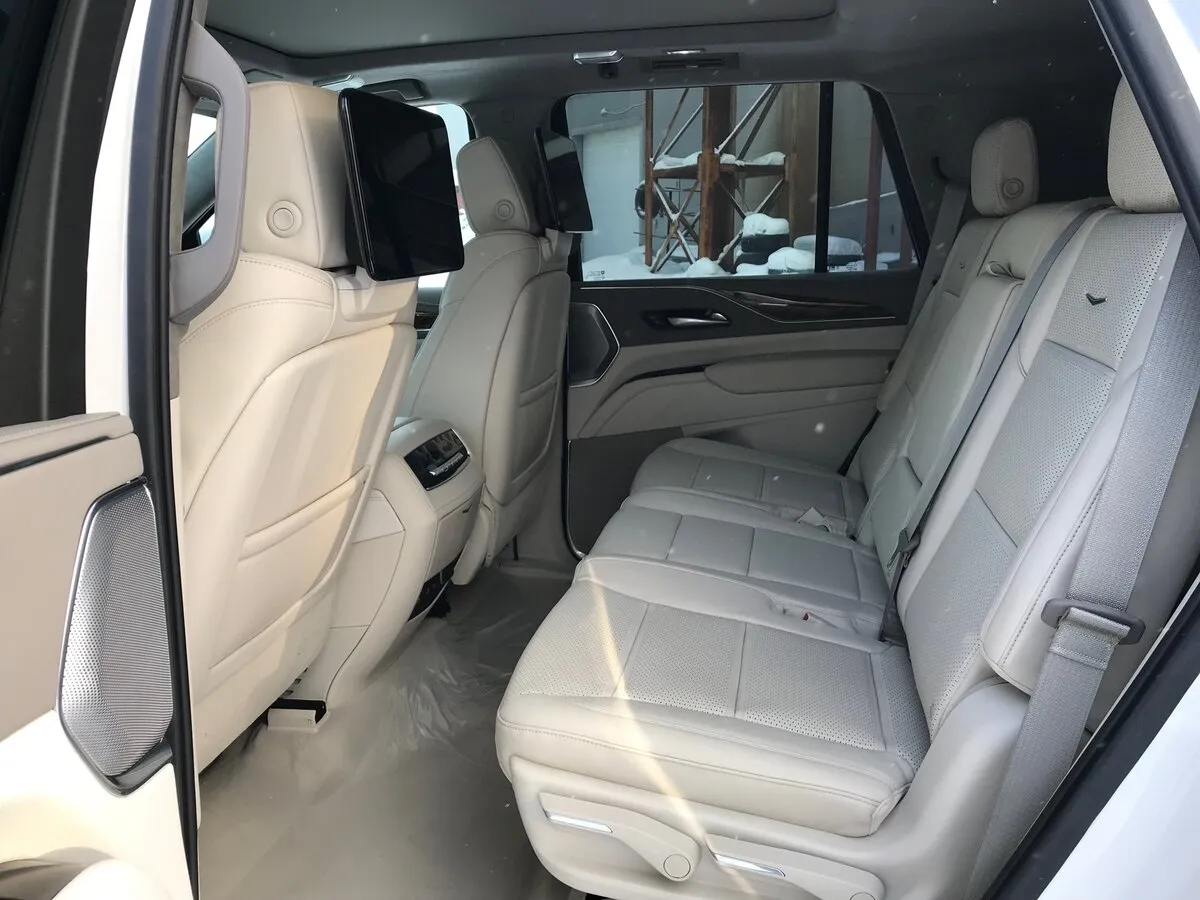
Lexani Motorcars of Corona, California occupies a different category entirely — rather than a bolt-on aero kit, Lexani is a coachbuilder that converts an Escalade into a six-figure VIP limousine. The exterior changes are comparatively restrained (chrome grille, Lexani badging, chrome 24 or 26-inch Lexani forged wheels, sometimes a mild body kit with colour-matched fender extensions) because the value is inside. Lexani rebuilds the rear cabin with rear-facing captain's chairs, a partition with starlight headliner, 4K screens, Alcantara ceiling, champagne refrigerator, Wi-Fi router, Crestron-controlled climate, and triple-ply laminated privacy glass. Their Viceroy Edition is the best-known programme. Lexani-converted Escalades are the default VIP shuttle vehicle at major US airports and are widely used by studio executives and private-jet FBO operators.
Becker Automotive Design
Becker Automotive Design (Oxnard, California) is the other major US luxury coachbuilder for the Escalade — founded by Howard Becker, formerly of Intermeccanica, Becker specialises in ground-up rebuilds that go far beyond what Lexani offers. Becker stretches the Escalade body to create an extended-wheelbase mobile office, adds aircraft-grade sound deadening (Dynamat Extreme plus Becker's proprietary composite), reworks the suspension for limousine ride characteristics, and installs a bespoke cabin with swivel captain's chairs, conference table, full-height partition, and dedicated rear HVAC. Prices start around 500,000 USD and climb past 750,000 USD for full armouring. Becker Escalades are typically specified by hedge-fund principals, heads of state security details, and Gulf royal families who want the stealth of an Escalade rather than the obvious statement of a Mercedes S-Class limousine.
Hennessey HPE800 (Escalade-V)
On the performance side, the Hennessey HPE800 programme is built exclusively for the Escalade-V. Starting with the factory supercharged LT4, Hennessey fits a smaller supercharger pulley, a high-flow cold-air intake, a ported supercharger snout, 115 mm throttle body, upgraded fuel injectors and fuel pump, a stainless-steel cat-back exhaust, and a custom calibration on the 10L80 transmission. Output rises from 682 hp to 805 hp and 1,105 Nm at the crank — 0–100 km/h drops from 4.4 to roughly 3.7 seconds. Hennessey also supplies a HPE1000 power package for owners who want four-figure output, which adds a larger supercharger, lower-temp heat exchanger, and forged internals. Every Hennessey build is numbered, plaqued, and ships with a 3-year / 36,000 mile driveline warranty.
Write us at [email protected] — we'll put together a full quote within 24 hours covering body kit, wheels, exhaust, interior and worldwide shipping.
Wheels
The factory Escalade ships on 22-inch wheels as standard, with an optional 22-inch forged set on the Sport Platinum and Escalade-V trims. In the aftermarket, the Escalade accepts wheels from 22 to 28 inches, and the choice depends entirely on use case. For a daily-driven Escalade we recommend staying at 22 or 24 inches to preserve ride quality on the air-suspension MagneRide system; for show-oriented builds, 26 and 28 inches are standard. Our recommended specification is 24x10.0 J ET24 front and rear running 295/35 R24 tyres for a near-factory fender gap, or 26x10.0 J ET20 with 305/30 R26 for a slightly dropped stance. Forged construction is mandatory above 24 inches given the Escalade's 2,700+ kg kerb weight. Popular and proven fitments include Forgiato Tec 2.3, Blocco, and Maglia; ANRKY AN38 and AN39 in 24 and 26 inch; Vossen HF-4T, HF-3, and the Hybrid Forged EVO series; Savini SV-F4, SV-F6 and Forged Mach; and AG Luxury AGL19, AGL29, AGL47. All clear the factory Brembo front brakes on the Escalade-V without spacers at ET24 or lower, though with standard Escalade brakes you can run as low as ET16 for a flush fitment. Air suspension lowering links from Accuair or ROH Performance drop the ride height 35–60 mm at rest and return to factory height at highway speed.
Performance — Supercharging, ECU & Exhaust
The Escalade's two petrol engines respond differently to tuning. The 6.2L L87 naturally-aspirated V8 in the standard Escalade is essentially the same LS-family small-block Cadillac has used for two decades. A Stage 1 ECU tune (E38/E41 calibration) yields 445–455 hp from better spark and fuel maps on 93 octane. A Magnaflow or Borla cat-back exhaust adds 8–12 hp and improves the note significantly without drone. The most dramatic gain comes from bolt-on forced induction: RIPP Superchargers sells a TVS1900 Eaton-based roots-type supercharger kit for the L87 Escalade that delivers 540 hp and 740 Nm on stock internals with 6 psi boost — a 120 hp gain on pump gas. Edelbrock and Magnuson supply competing kits in the same power band. For the Escalade-V, Hennessey's HPE800 package described above is the benchmark. Lingenfelter offers a competing LT4 package reaching similar numbers. On the exhaust side, Magnaflow xMOD, Borla S-Type, Corsa Xtreme, and Flowmaster American Thunder all produce well-engineered cat-back systems for both the L87 and LT4 engines. The 3.0L LM2 Duramax diesel is not generally considered a performance-tuning platform — a basic remap unlocks around 320 hp and 700 Nm, but towing-focused owners often leave it alone.
Interior & Cabin Upgrades
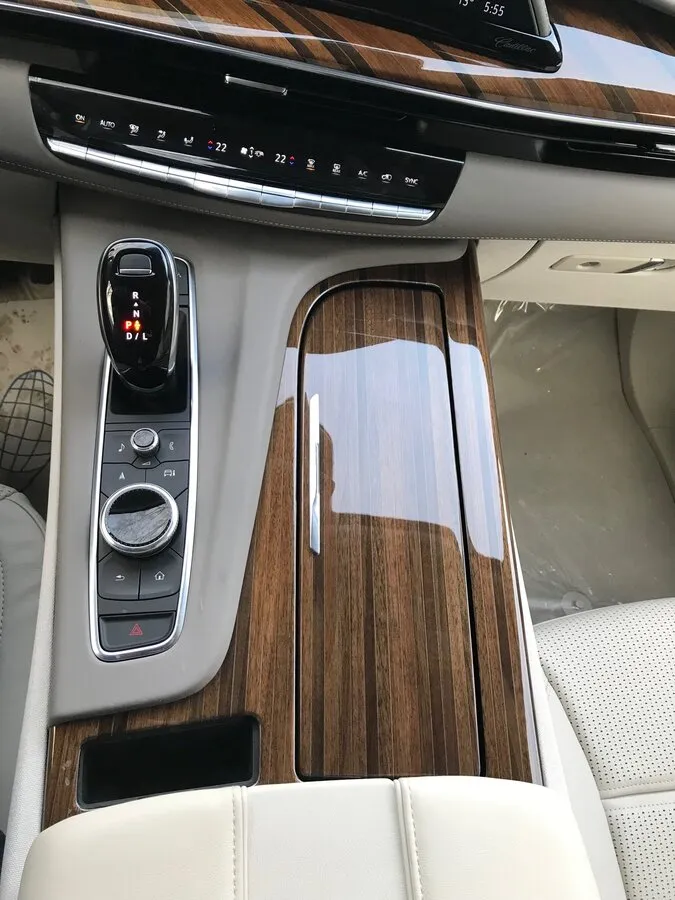
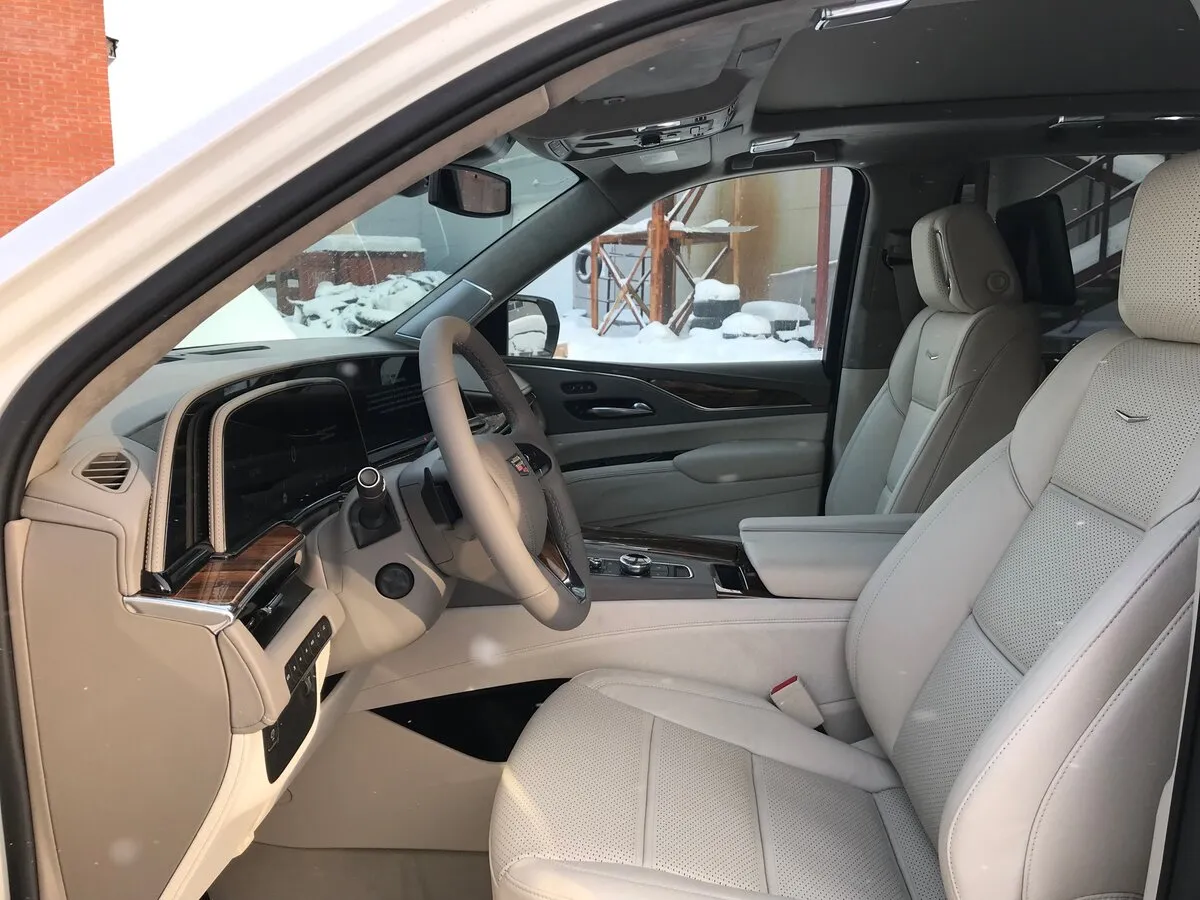
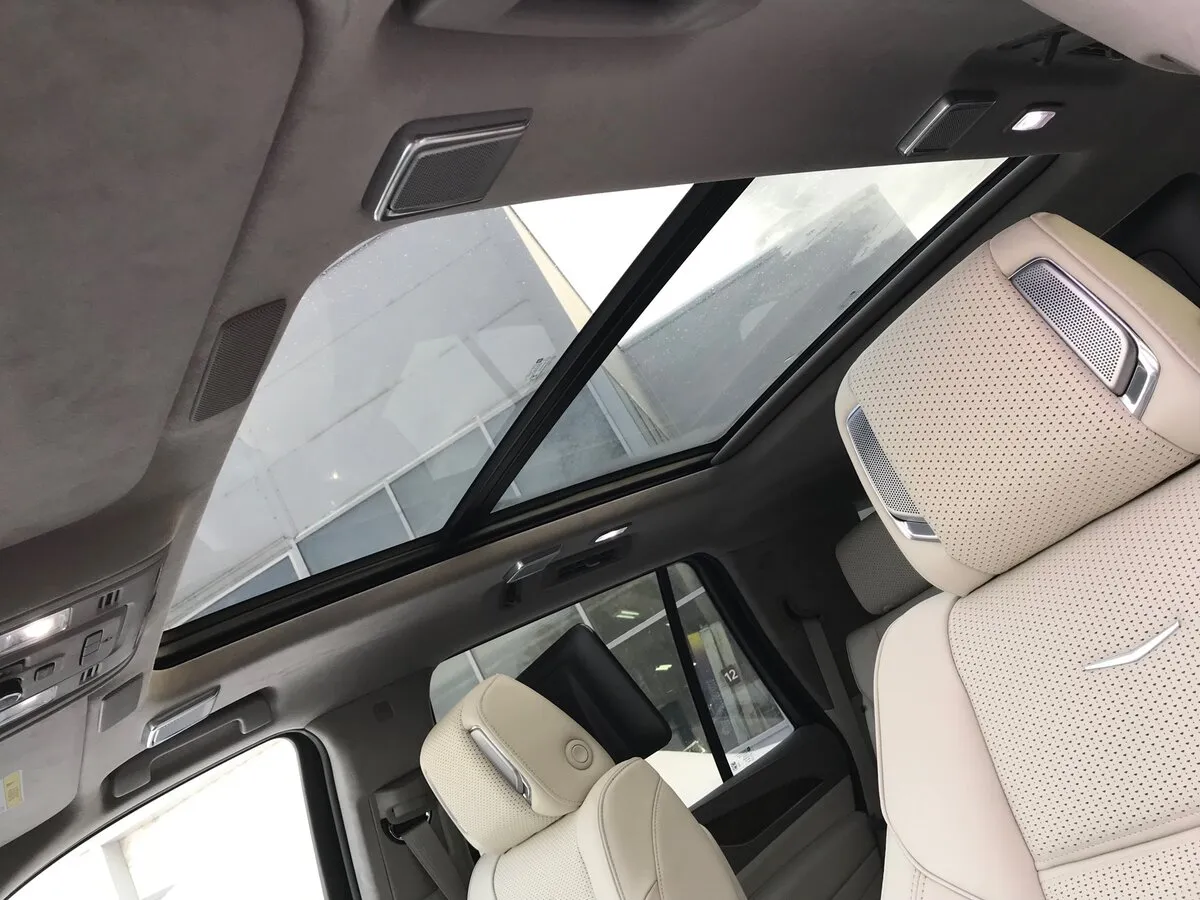
The factory Escalade cabin already features the 38-inch curved OLED dashboard shared with no other production vehicle, 36-speaker AKG Studio Reference audio, Super Cruise hands-free driving, and semi-aniline leather in Premium Luxury and Sport Platinum trims. Aftermarket interior work therefore focuses on bespoke luxury rather than replacement: full-aniline leather reupholstery in exotic colourways, Alcantara headliners with embroidered Cadillac crests, forged-carbon or real-wood dashboard veneer work from specialists like Carlex Design and Vilner, programmable starlight fibre-optic headliners, and rear-seat entertainment upgrades. For armouring and VIP conversions, see Lexani and Becker above.
Who Buys This? Three Escalade Buyer Personas (H2)
The Escalade is unusual because three very different buyers all commission builds on it, and the "right" spec is entirely different for each. Getting this wrong — picking a Middle East spec for a US chauffeur, or a family-hauler spec for a Miami celebrity — wastes money and ruins resale. Here are the three profiles we see most often at Hodoor.
1. The US celebrity and luxury chauffeur fleet operator. This buyer is based in Los Angeles, Miami, New York or Las Vegas. They run a small fleet of Escalades for private hire, studio pickup, or personal use by a high-profile client. The priority is visual impact from a distance — the Escalade must be instantly recognisable as a celebrity or VIP vehicle. Specification: Lexani Motorcars Viceroy interior conversion (captain's chairs, privacy partition, 4K rear screens), 26-inch Forgiato forged wheels in gloss black or brushed silver, mild Forgiato aero kit, Alcantara headliner with starlight, triple-ply privacy glass, and a Magnaflow cat-back exhaust with a deliberately softer note so clients can conduct phone calls in the rear. Output remains factory 420 hp — raw performance is irrelevant, and reliability matters far more.
2. The Middle East owner-driver. Based in Dubai, Riyadh, Kuwait City or Doha, this buyer is the driver, not a passenger. They want chrome brightwork, blacked-out tinted glass, and an exhaust note that announces arrival from 200 metres. Specification: Renegade Design full widebody aero kit, 26 or 28-inch forged wheels in chrome or gold PVD finish, Brabus or Hennessey quad tip exhaust at maximum volume, full front and side 20% VLT tint, interior retrimmed in colour-contrasting leather (white with navy piping is a regional favourite), Cadillac badges replaced with custom-engraved family crests. Power is typically pushed to 540 hp via RIPP Supercharger on a standard Escalade or to HPE800 on an Escalade-V.
3. The North American family hauler. Suburban or exurban, typically based in Texas, Florida, Alberta or Ontario. The Escalade is the primary family vehicle: school runs, youth sports, towing a boat or travel trailer. This buyer wants visual improvement without giving up the practicality that sold them the Escalade in the first place. Specification: mild Stage 1 ATX tune (RIPP or Hennessey HPE600 lite), 22-inch factory or AG Luxury forged wheels in gloss black, Magnaflow cat-back exhaust with valve control for quiet school-run mode, full-vehicle XPEL Ultimate Plus PPF, WeatherTech interior mats, factory tow package preserved, air-suspension lowering links optional but usually declined. This buyer is usually the most satisfied customer because they respect what the Escalade is and simply refine it.
Frequently Asked Questions
What is the difference between the standard Escalade and Escalade-V, and which is the better tuning base?
The standard 5th-gen Escalade uses the 6.2L L87 naturally-aspirated V8 (420 hp) or the 3.0L LM2 Duramax diesel (277 hp). The Escalade-V (2023+) uses the supercharged 6.2L LT4 V8 from the CTS-V, producing 682 hp — it also has a factory Brembo brake package, an electronically-locking limited-slip rear differential, an upgraded 10L80 transmission with strengthened internals, larger cooling system, and a unique front bumper with enlarged intakes. For tuning, the Escalade-V is the superior base: supercharger, driveline and cooling are already reinforced. For a milder build, the standard L87 Escalade accepts a RIPP Supercharger kit that brings it to around 540 hp on stock internals, at roughly half the cost of a factory Escalade-V. If you plan to exceed 600 hp, start with the V.
Will a supercharger or ECU tune void my Cadillac warranty?
Yes — any ECU modification detected at a dealer service or any bolt-on forced induction kit will void the GM powertrain warranty. In the United States, the Magnuson–Moss Warranty Act requires the dealer to prove the modification caused the specific failure they are refusing to cover, but in practice GM dealers decline powertrain warranty claims on tuned cars. RIPP Superchargers, Hennessey, and Lingenfelter all offer their own in-house warranty packages (typically 3 years / 36,000 miles on the driveline) that most owners accept in place of the GM warranty. If you are still within the factory bumper-to-bumper period, we recommend a switchable calibration that can be returned to stock before any scheduled dealer visit.
How much does a full Escalade build typically cost?
The range is enormous because the three buyer profiles commission very different builds. A North American family-hauler build (Stage 1 tune, Magnaflow exhaust, 22-inch forged wheels, PPF) runs roughly 18,000 to 28,000 USD plus the vehicle. A Middle East Renegade widebody with 26-inch forged wheels, full supercharger kit and interior retrim typically lands between 75,000 and 120,000 USD. A Hennessey HPE800 Escalade-V with Forgiato wheels and carbon-fibre aero is 95,000 to 140,000 USD in parts and labour. A Lexani Viceroy or Becker Automotive Design VIP conversion starts at 250,000 USD and can exceed 750,000 USD with armouring. Lead times range from 2 weeks for a bolt-on aero and wheel package to 14–20 weeks for a full coachbuilt Lexani or Becker conversion.
Do you ship Escalade kits internationally, and how does customs work?
Yes — Hodoor ships Escalade body kits, wheels, exhaust and supercharger systems worldwide from our EU and US consolidation hubs. For GCC destinations (UAE, Saudi Arabia, Kuwait, Qatar, Bahrain, Oman) we handle full CMR, commercial invoicing, HS codes and arrange bonded delivery. Customs duty on automotive aftermarket parts is typically 5% in most GCC markets; in the EU it ranges 3–10% depending on HS code. For Russia and CIS, we deliver via our Moscow partner logistics. We quote DAP (duties payable by buyer on arrival) or DDP (all-inclusive landed price) — DDP is strongly recommended for Middle East clients to avoid local clearance delays. ECU tunes and supercharger calibrations are generally delivered remotely via secure bootloader, meaning the vehicle itself does not need to travel.
Email [email protected] with your VIN, current mileage, intended use case and spec direction. We reply within 24 hours with a full itemised quote, realistic lead times and shipping to your country.