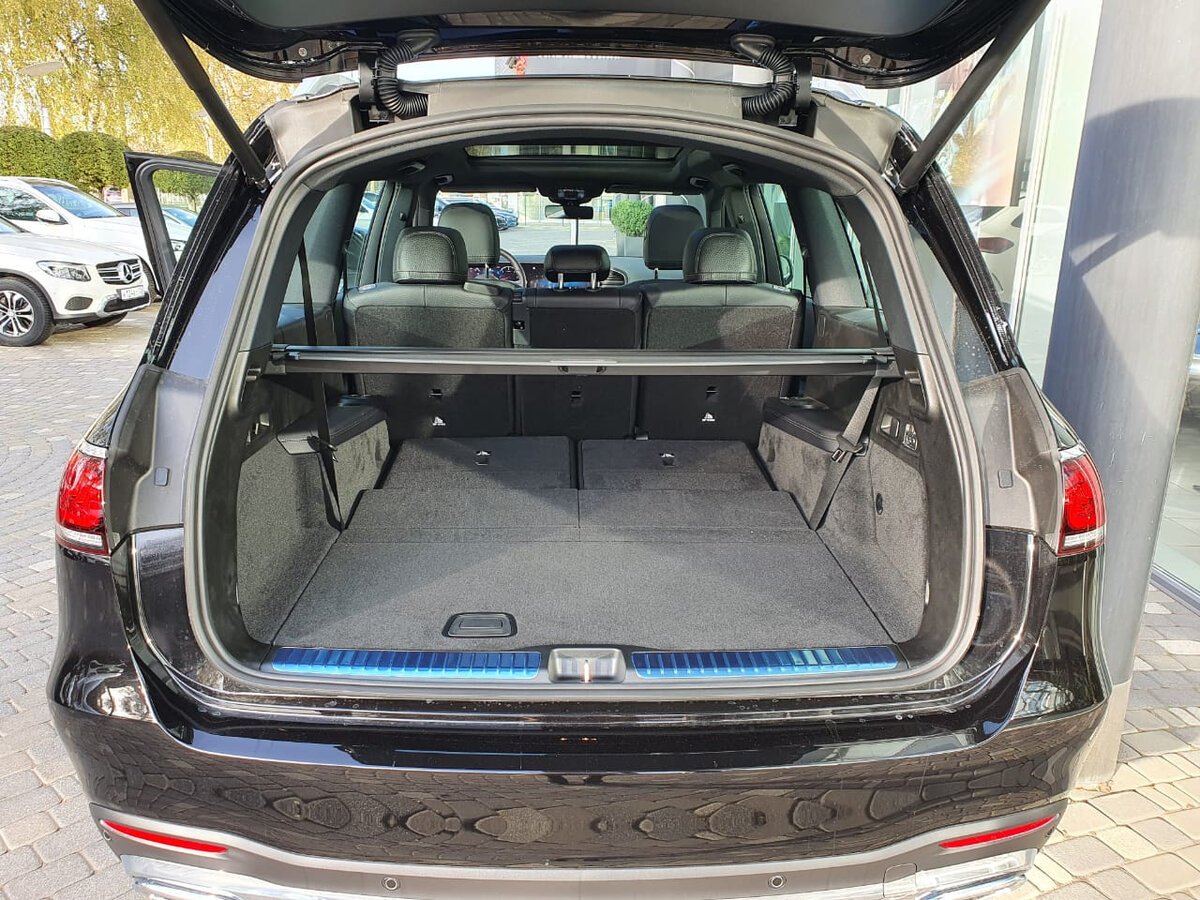
Mercedes-Benz GLS 400d (X167) Tuning Guide 2026 — Body Kits, Wheels & Performance


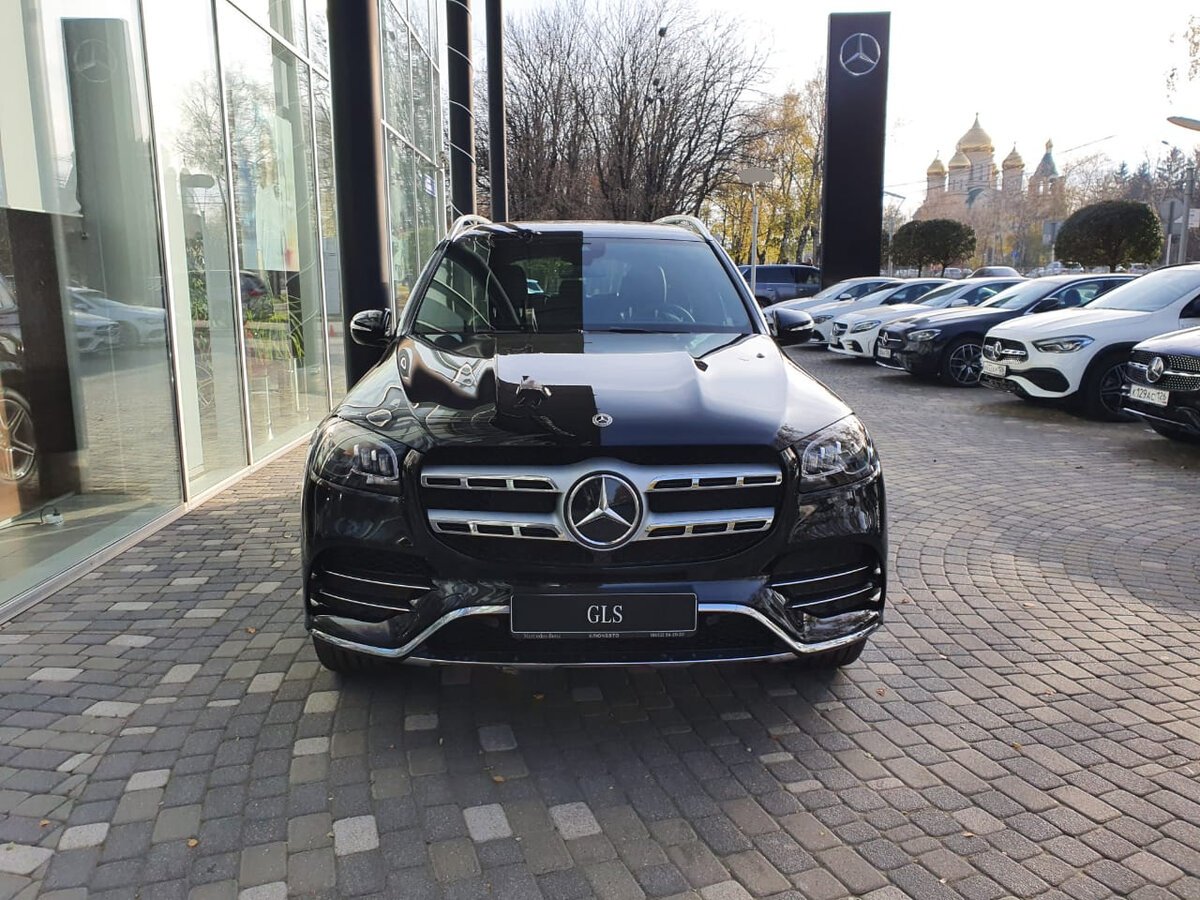
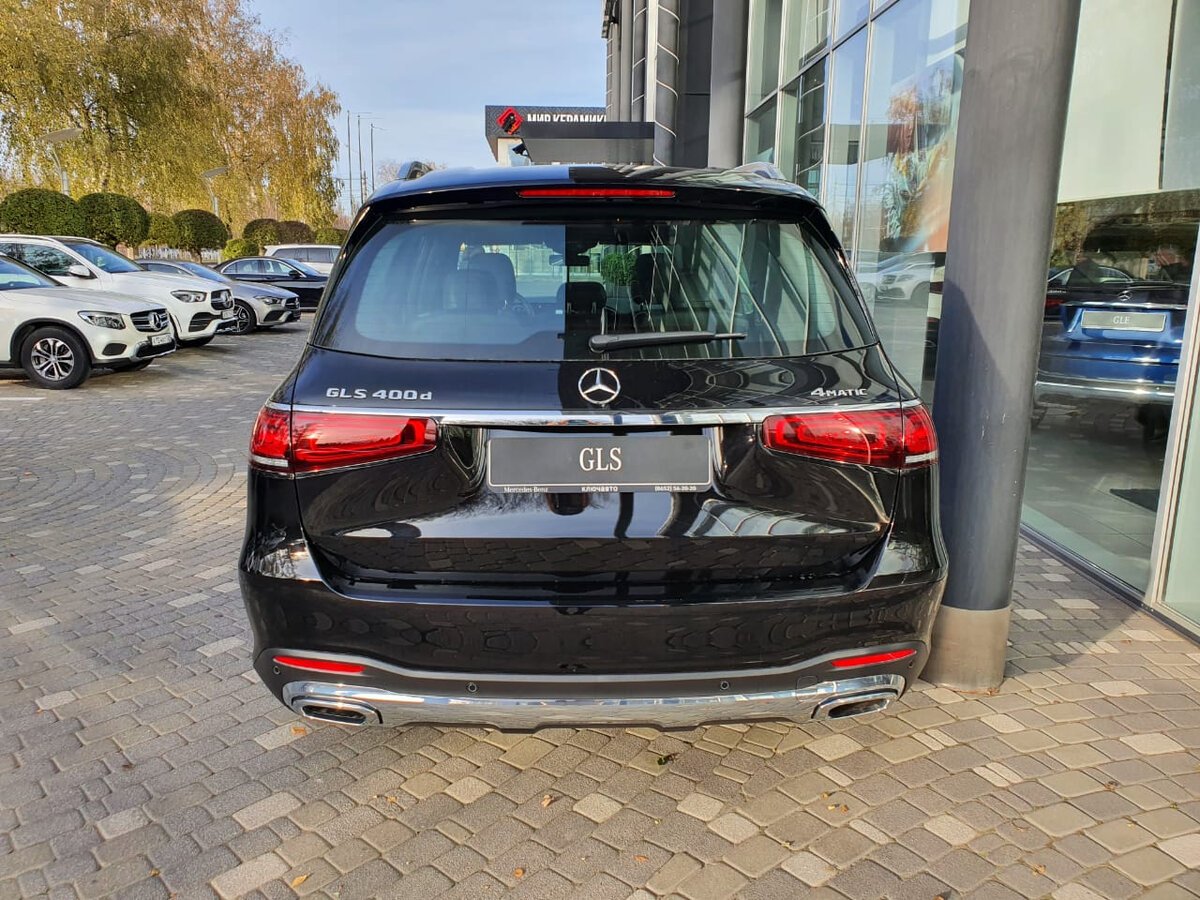
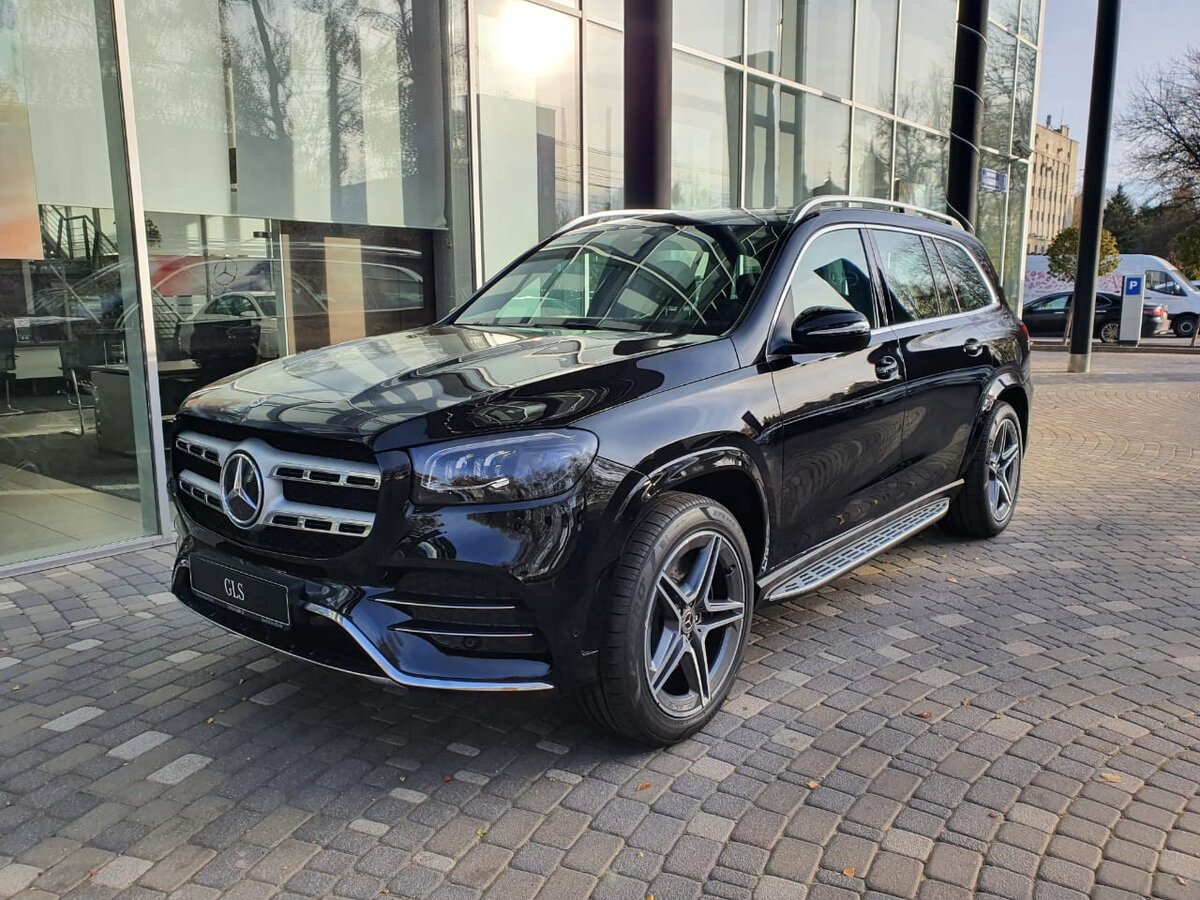
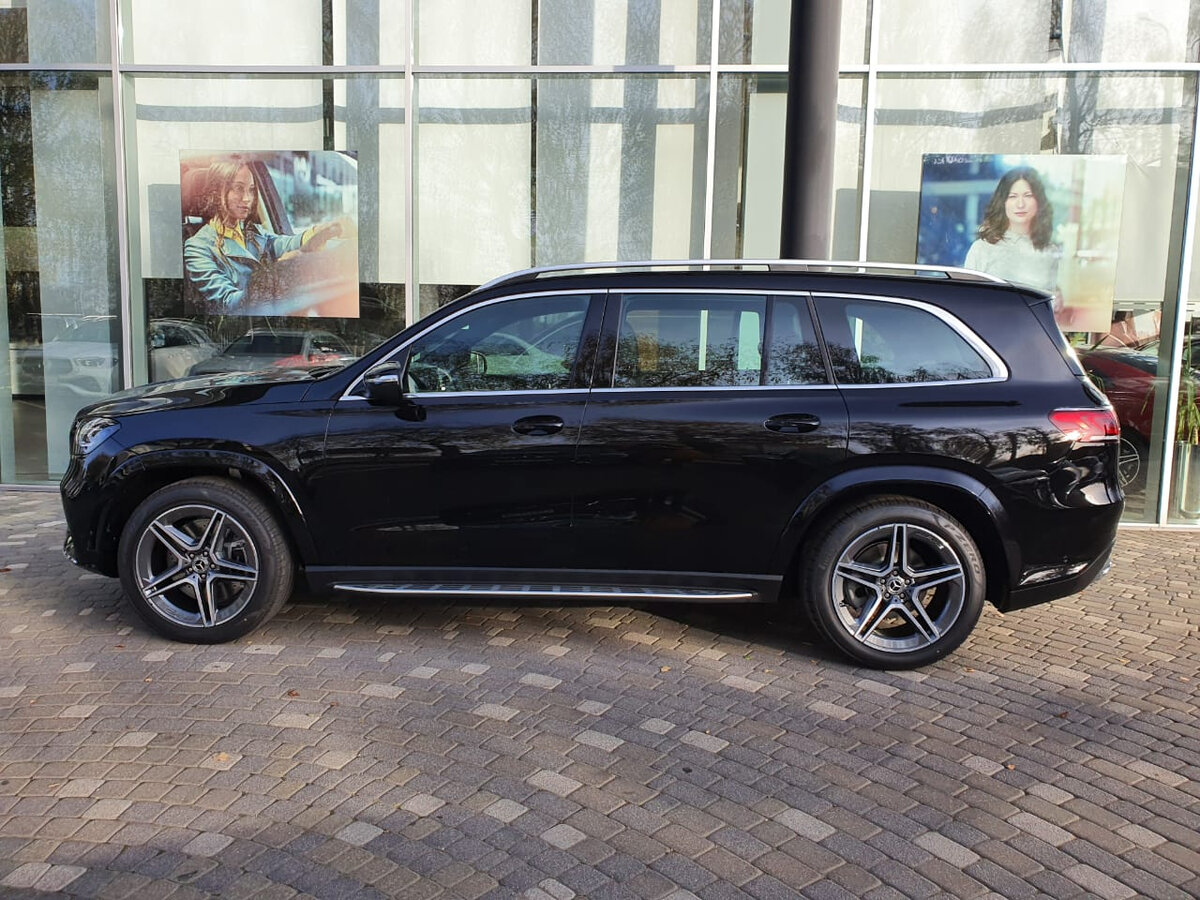
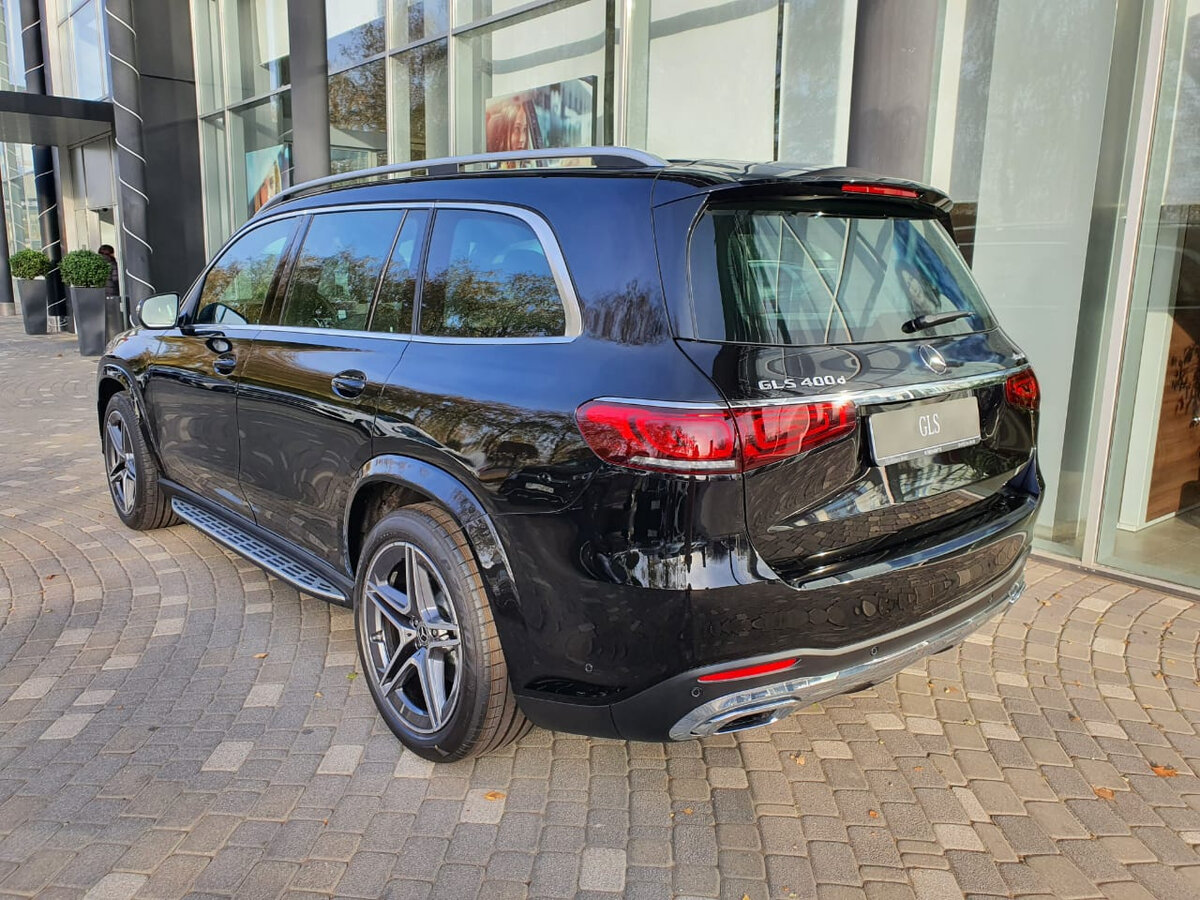
The Mercedes-Benz GLS (X167, 2019+) is the S-Class of SUVs — three rows, 2.5 tonnes, and a cabin that rivals dedicated luxury vehicles. The 400d's 3.0-litre inline-6 diesel, paired with a 48V mild-hybrid system, delivers 330hp and 700Nm of torque, making overtaking effortless regardless of load or altitude. Yet the GLS is not merely a people-mover. For the tuning community, the X167 platform opens the door to some of the world's most dramatic upgrade programmes — from Brabus's 800hp headline builds to Mansory's full carbon surgery, TopCar's aggressive GCC-oriented fascias, and Lumma Design's refined European wide-body. This guide covers every meaningful upgrade available for the GLS 400d and its X167 siblings in 2026.
GLS X167 Model Range — Specifications
| Model | Engine | Power | Torque | 0–100 km/h |
|---|---|---|---|---|
| GLS 400d | 3.0L I6 diesel + 48V | 330 hp | 700 Nm | 5.9 s |
| GLS 450 | 3.0L I6 petrol + 48V | 367 hp | 500 Nm | 5.5 s |
| GLS 580 | 4.0L V8 biturbo + 48V | 510 hp | 700 Nm | 4.9 s |
| AMG GLS 63 | 4.0L V8 biturbo + 48V | 630 hp | 900 Nm | 4.2 s |
| Platform | MHA (Modular High Architecture) — X167 generation, 2019–present (facelift 2024) | |||
| Kerb Weight | 2,490 kg (GLS 400d) | |||
Body Kits for the Mercedes-Benz GLS X167
The GLS X167 has attracted every major tuning house. Body kit options range from the near-surgical carbon programmes of Brabus and Mansory to bolt-on polyurethane solutions from TopCar and Urban Automotive. Below is a complete rundown of what is available in 2026.
Brabus 800 GLS — The Flagship Programme
Brabus builds their headline 800 programme around the AMG GLS 63 base, but owners of the standard GLS 400d and GLS 580 can still access Brabus aerodynamics independently of the powertrain conversion. The Brabus aero package for GLS X167 includes a carbon fibre bonnet with integrated venting, a front splitter in carbon or polyurethane, side skirts that extend the lower body line, a rear diffuser with integrated quad exhaust surrounds, and the signature Brabus Monoblock Platinum 23-inch forged wheels. The Brabus 800 full programme — engine hardware, exhaust, aero, and wheels — is priced at £30,000–50,000 depending on specification. Partial aero-only installations are available from Brabus-authorised dealers worldwide.
Mansory GLS X167 — Full Carbon Programme
Mansory's programme for the X167 is one of the most comprehensive in the segment. The full carbon package replaces the bonnet, front bumper inserts, side skirts, and adds a roof spoiler, all in genuine prepreg carbon fibre with visible dry-weave finish. Mansory's design language is intentionally aggressive — the front fascia lowers and widens the visual stance, while the rear diffuser introduces a full-width carbon blade. Interior upgrades are available as part of the same programme. Full Mansory GLS kit pricing runs from £25,000 to £40,000 depending on paint, carbon finish, and interior scope.
TopCar Design — GCC-Oriented Aero
TopCar Design is a Russian manufacturer with a strong following in the Gulf and Middle East markets, where the GLS is one of the most popular platforms. Their GLS X167 kit includes a revised front fascia with enlarged lower intakes, body-coloured or carbon side mouldings, a rear diffuser, and optional bonnet accents. TopCar kits are manufactured in polyurethane for front and rear sections, which provides practical advantages for high-speed bumps and the thermal cycles common in GCC climates. Pricing: £8,000–15,000 for the full kit, with fitment available via Hodoor-affiliated workshops in the UAE, Saudi Arabia, and Qatar.
Lumma Design CLR GL-S X167 — German Precision Wide-Body
Lumma Design's CLR GL-S programme for the X167 is the most OEM-faithful wide-body solution on the market. The Lumma kit adds fender flares front and rear — widening the body by approximately 40mm per side — with a front spoiler, side skirts, and a subtly integrated rear diffuser. The entire kit is manufactured to TÜV-approved standards in Germany, with panel gaps and paint preparation matching factory tolerances. This is the kit for GLS owners who want enhanced stance without sacrificing the vehicle's premium appearance. Pricing: €12,000–20,000 inclusive of fitting hardware. Lumma kits are compatible with all X167 variants including the 400d, 580, and AMG 63.
Urban Automotive — UK Wide-Body
Urban Automotive is a Coventry-based tuner with a strong presence in the UK and Middle East. Their GLS wide-body programme offers full polyurethane or optional carbon fibre panels depending on budget. The Urban kit is particularly popular among UK buyers who want the visual statement of a widebody without committing to the Mansory or Brabus price tier. Optional carbon fibre bonnet, mirror caps, and diffuser inserts are available as additions. Pricing: £10,000–18,000 for the full widebody, with Hodoor sourcing available across the UK, UAE, and Kuwait markets.
Prior Design and Hofele
Prior Design offers a fibreglass and polyurethane wide-body for the GLS X167, targeting the price-conscious end of the market. Hofele Design produces a more bespoke interpretation with revised front lights, grille, and lower body — closer in concept to the Lumma programme but with a more distinctive grille treatment. Both are available to order via Hodoor with international shipping.
Hodoor.world supplies Mercedes GLS X167 tuning parts to UAE, UK, Germany, Saudi Arabia, Kuwait, Qatar, Kazakhstan and 40+ countries. For pricing, availability, and fitment consultation — contact us at [email protected]. We handle customs documentation and international logistics for every order.
Wheels for the Mercedes-Benz GLS X167
The GLS X167 leaves the factory on 21–22 inch wheels depending on specification. Tuning builds typically step up to 22 or 23 inches. The critical factor here is vehicle weight: at 2,490 kg, the GLS demands forged construction — cast wheels are not appropriate for this application. The standard fitment sizes for tuned GLS builds in 2026 are:
- 22-inch: 10J ET30, tyre 295/35 R22 — the most common upgrade, retaining adequate sidewall for daily use
- 23-inch: 10.5J ET20, tyre 285/30 R23 — maximum visual statement, requires confirmation of clearance with lowered suspension
Recommended Forged Wheels for GLS X167
- Brabus Monoblock Platinum 23-inch — the factory-option Brabus wheel, specifically load-rated for GLS weight. Available in Platinum, Black, or Titanium finish.
- HRE P101 — multi-spoke forged wheel, 22-inch fitment. Popular with Lumma CLR GL-S combinations. American manufacture, available in custom finishes.
- Vossen HF-5 — hybrid forged, 22-inch. Offers excellent value in the forged category. Flow-formed construction delivers weight savings over cast at a lower price point than fully forged alternatives.
- ADV.1 ADV6 M.V2 — monoblock forged, strong fitment record on X167 in 22 and 23-inch. Popular in Middle East builds.
Tyre recommendation for GLS: Continental SportContact 7, Michelin Pilot Sport 4 SUV, or Pirelli P Zero PZ4 in the relevant size. Note that 285/30 R23 profiles produce increased road noise on coarse tarmac — this is inherent to the tyre section, not a fitment issue.
Performance Upgrades — Engine Remapping and Power Programmes
The GLS X167's 48V mild-hybrid architecture requires specialist ECU tools but is not particularly restrictive. The most popular performance options by variant are as follows.
GLS 400d Stage 1 Remap
The OM656 inline-6 diesel engine in the 400d has substantial mapping headroom from the factory. A Stage 1 ECU remap — available from Brabus, RENNtech, and approved independent tuners — takes output from 330hp/700Nm to approximately 390–410hp and 850–920Nm. The diesel torque increase is immediately perceptible in mid-range response. The 48V system is retained and continues to provide boost-off-idle torque fill. Stage 1 remap pricing: £800–1,500 including dyno validation. No hardware changes required at Stage 1.
GLS 580 Stage 1
The M176 V8 in the GLS 580 responds well to ECU calibration. Stage 1 takes factory 510hp to approximately 570–590hp and 850Nm, with the most noticeable improvement in the 3,000–5,000rpm band. RENNtech's GLS 580 Stage 1 is the most established programme available. Pricing: £1,200–2,000.
Brabus 800 — AMG GLS 63
The Brabus 800 programme for the AMG GLS 63 is the pinnacle of X167 performance development. Starting from the factory 630hp/900Nm output of the M177 V8, Brabus installs new high-flow turbochargers, modified cylinder heads, a high-performance exhaust system, and a full ECU/TCU calibration to deliver 800hp and 1,000Nm. The Brabus 800 is a complete drivetrain programme — not a remap — and requires factory-authorised installation. 0–100 km/h in approximately 3.8 seconds for a 2.5-tonne seven-seat SUV. Full programme pricing: from £75,000 on top of the base GLS 63 purchase price.
Kleemann and RENNtech
Both Kleemann and RENNtech offer GLS X167 programmes across the model range. Kleemann focuses on hardware supercharger conversions for petrol variants; RENNtech offers ECU calibrations and exhaust systems. Both are available to order via Hodoor with international fitment coordination.
Interior Upgrades for the GLS X167
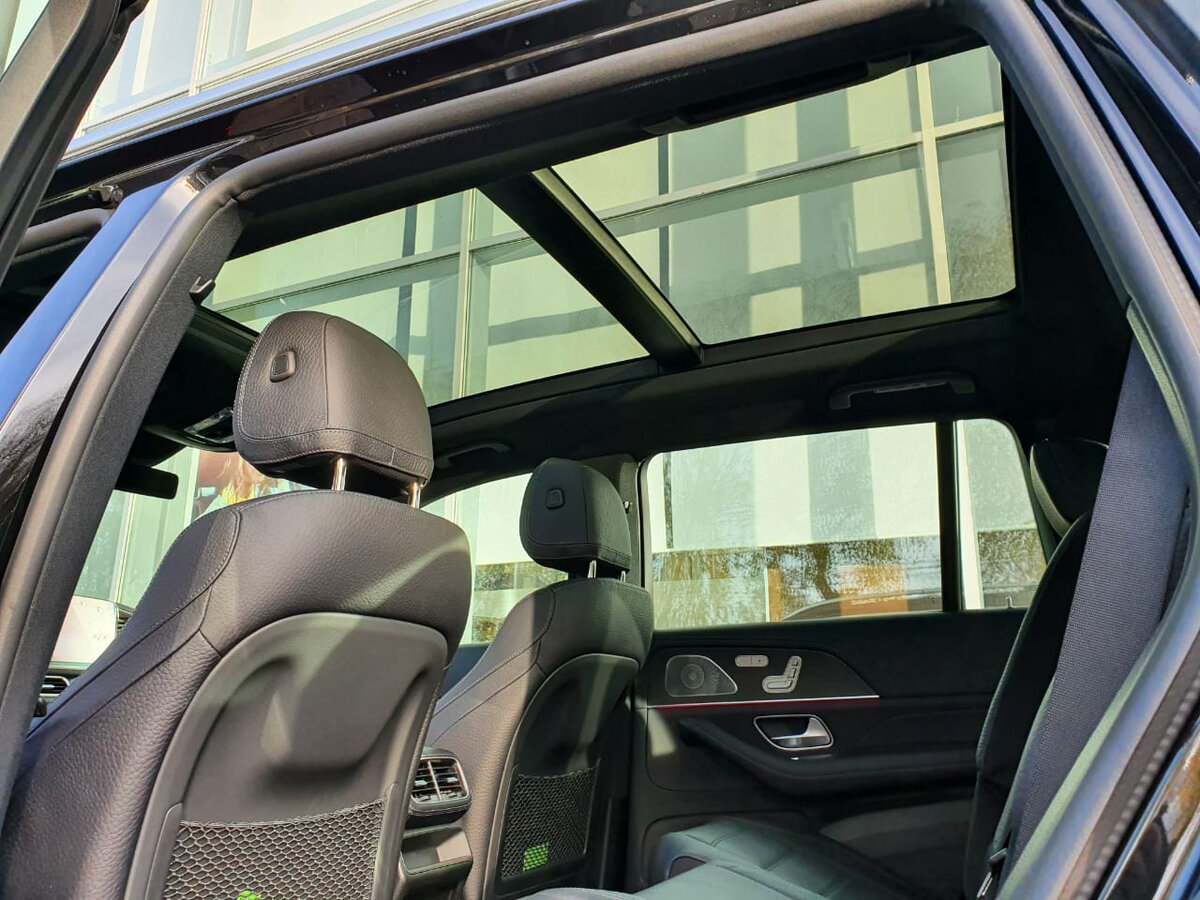
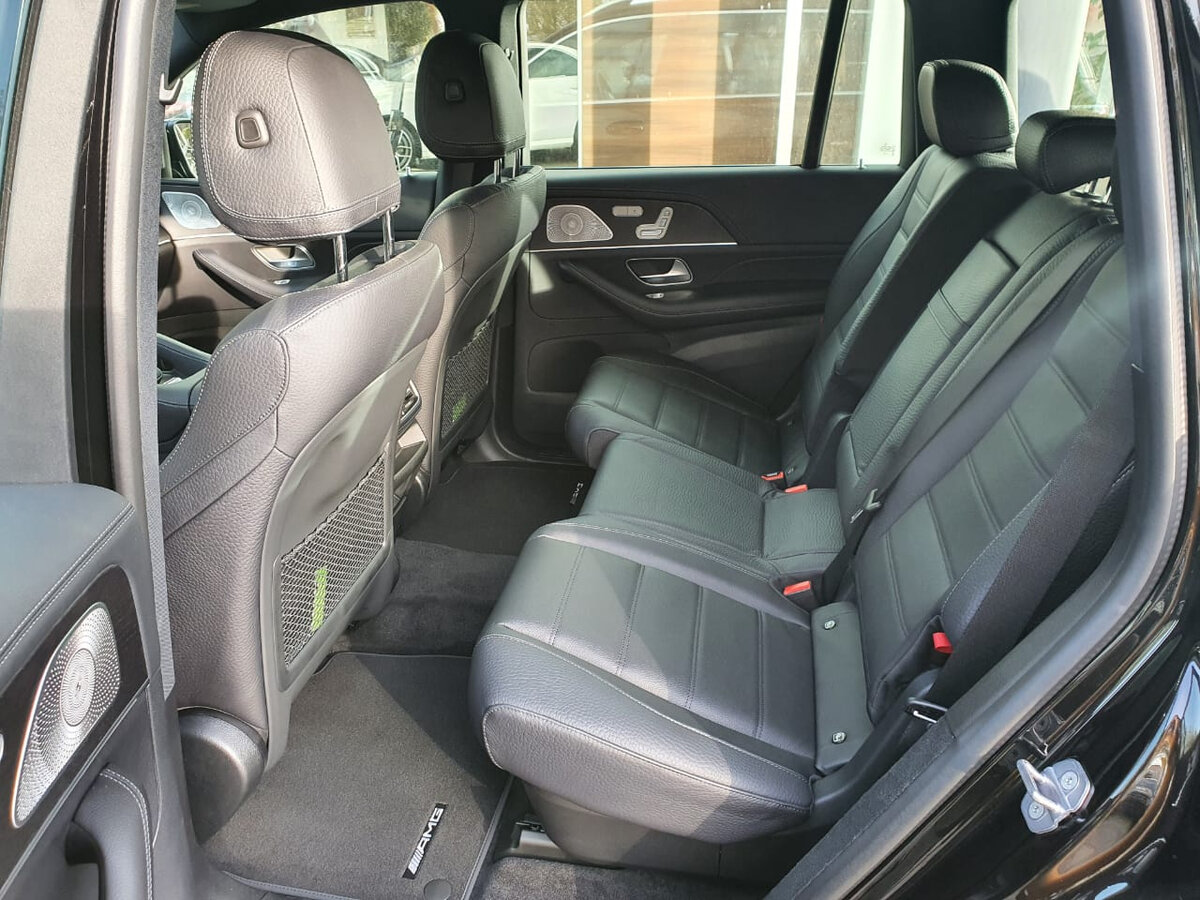
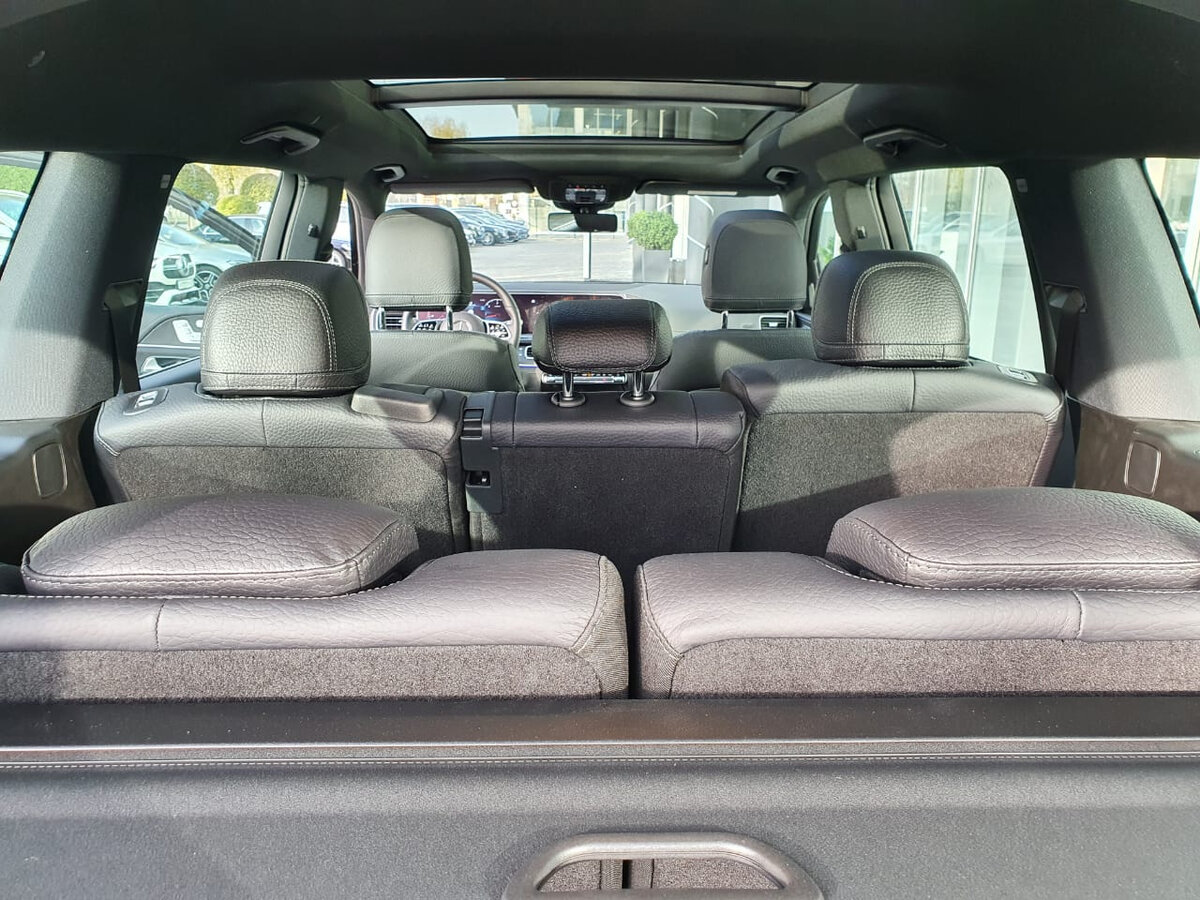
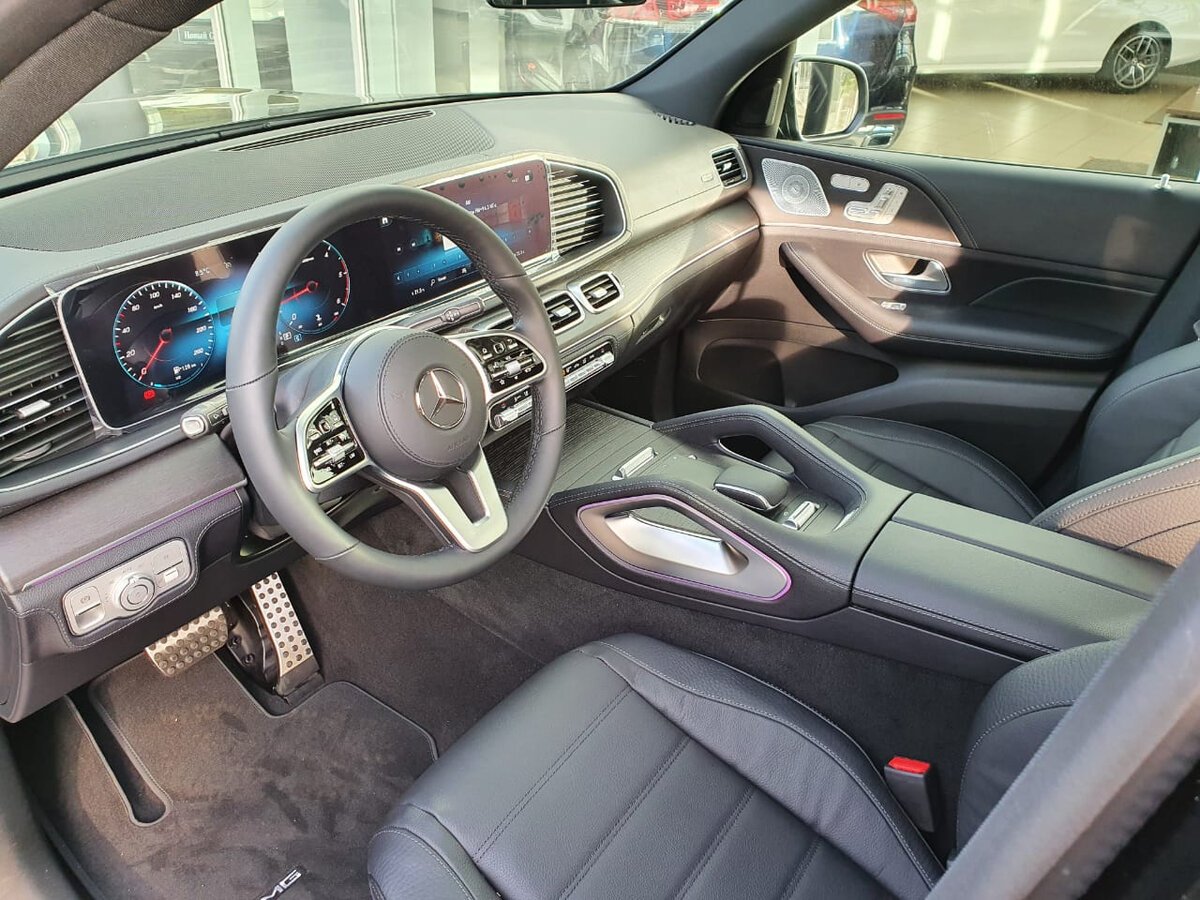
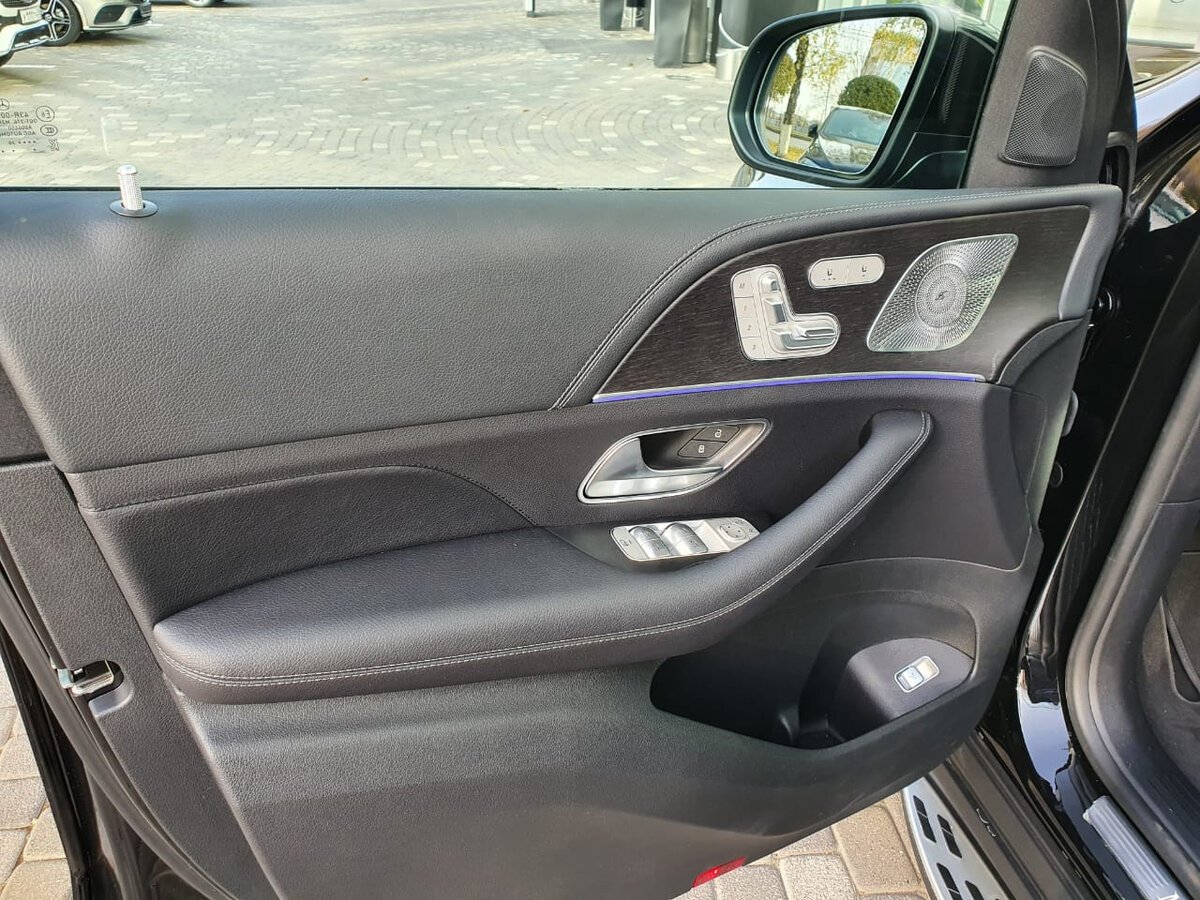
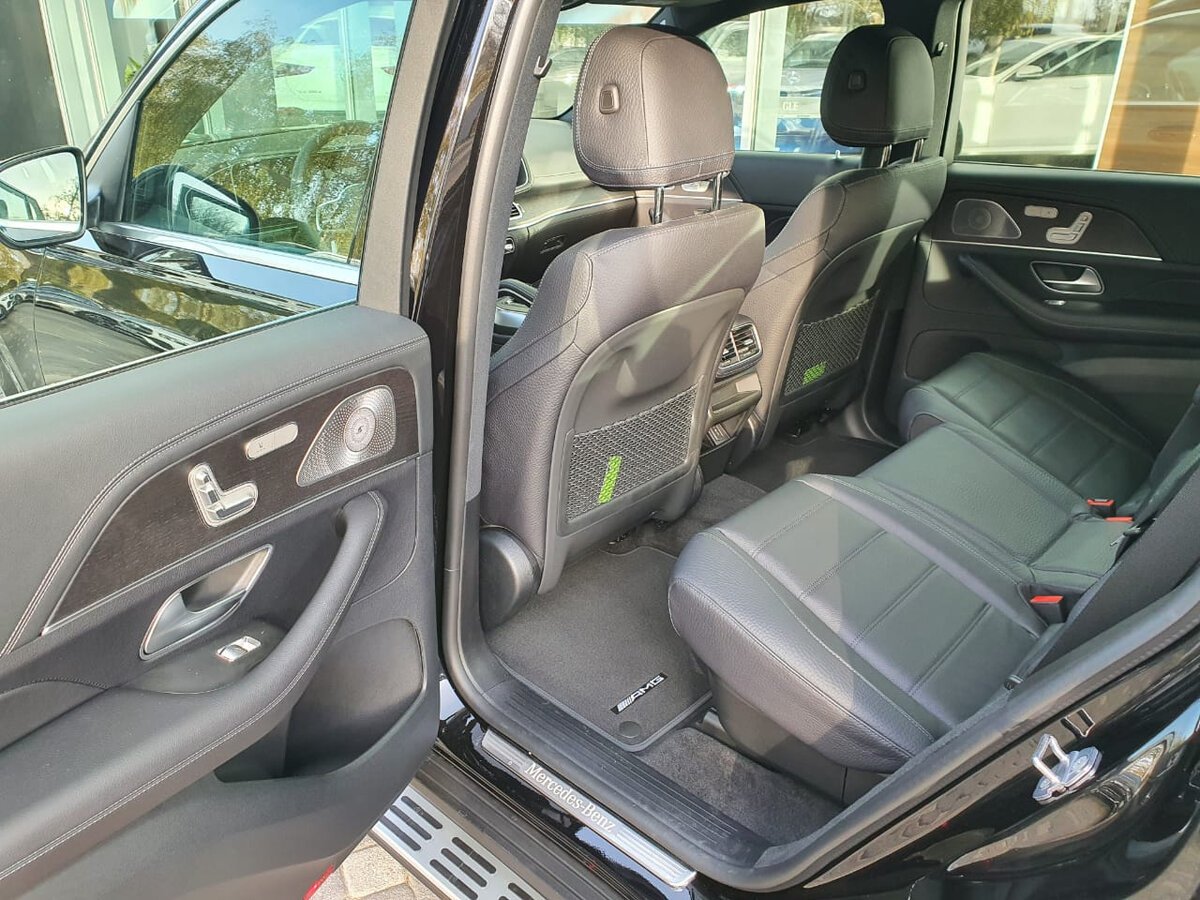
The GLS interior is already at near-Maybach specification from factory, but the tuning market provides several meaningful enhancements. Brabus interior packages for the X167 include full leather retrim in Brabus-specific hide grades (Nappa, Mastik, or Exclusive Nappa), carbon fibre dashboard inserts, Brabus floor mats, and the signature Brabus starlight headlining — which transfers Brabus's starlight roof technology into vehicles not equipped with the factory panoramic option.
Maybach-style rear entertainment systems — fold-down screens, rear seat tables, and individual lighting controls — are available as aftermarket installations from Brabus and independent audio specialists. Custom Alcantara headlinings can be fitted by most premium interior workshops. Pop-up tables for the second-row seats, replicating the GLS 580 Maybach feature, are available as standalone installations for standard GLS variants.
Carbon Fibre vs Fibreglass vs Polyurethane — What to Choose for a GLS X167
For a 2,490 kg SUV like the GLS, material selection in body kit components is primarily a quality and durability decision rather than a weight-savings calculation. Here is the technical breakdown.
Weight Savings — Realistic Figures
The OEM GLS bonnet weighs approximately 18 kg. A carbon fibre replacement weighs 6–10 kg — a saving of 8–12 kg. A fibreglass bonnet sits at approximately 12–14 kg, offering a smaller saving. At the vehicle's kerb weight of 2,490 kg, a 30 kg total carbon kit (bonnet, mirror caps, diffuser, roof spoiler) represents a 1.2% weight reduction — negligible in terms of performance, but meaningful in terms of unsprung and rotational mass perception in handling.
Effect on Handling and Economy
The GLS's AIRMATIC air suspension continuously adapts to load, so body panel material changes have no meaningful effect on handling dynamics at road speeds. Fuel economy impact from a 25–35 kg total kit weight reduction is less than 0.3% — below measurement threshold. The performance case for carbon on a GLS is primarily aesthetic and quality-driven.
Carbon Quality — What Matters
Only Brabus and Mansory use true prepreg carbon fibre with visible dry weave and autoclave cure on their GLS programmes. This produces consistent fibre orientation, high gloss depth, and UV-stable lacquer. Budget carbon options — some originating from Chinese aftermarket suppliers — use wet layup carbon with inconsistent fibre density, which can produce uneven surface finish, micro-crazing in lacquer over time, and occasional delamination at panel edges. For the GLS price point, this is not an acceptable compromise.
Polyurethane for Front Lips and Rear Diffusers
Polyurethane is the correct material choice for front lips, rear diffusers, and side skirt end caps on the GLS. At 2,490 kg, speed bumps and urban kerbs create flex loads that will crack fibreglass or carbon fibre lower edges. Polyurethane absorbs these impacts without permanent deformation. Lumma Design, TopCar, and Urban Automotive all use polyurethane for lower body components — this is the correct engineering decision. Carbon should be reserved for bonnet, mirror caps, and roof spoiler, where rigidity is an advantage and flex loads are minimal.
Summary Recommendation
For a GLS X167 build: polyurethane for front lip, side skirt lower sections, and rear diffuser; carbon fibre for bonnet and mirror caps if the budget and visual impact are priorities. Avoid full fibreglass kits on this vehicle class — they are neither lighter enough nor durable enough to justify the trade-off against polyurethane.
Frequently Asked Questions — GLS X167 Tuning
GLS 400d vs GLS 580 — which tunes better?
Both respond well to tuning, but differently. The GLS 580's M176 V8 has more absolute headroom — Stage 1 can extract an additional 60–80hp from a larger base. However, the 400d's diesel OM656 delivers the more dramatic torque increase per pound spent: £1,000 of ECU work can add 200+ Nm to a diesel that already produces 700Nm at factory, making the mid-range thrust transformative. For pure performance-per-spend efficiency, the 400d diesel remap is exceptional value. For those chasing headline horsepower numbers, the 580 or AMG 63 is the correct base.
Does the Brabus GLS kit require AMG 63 bodywork as a base?
No. Brabus offers distinct aero programmes for both the standard GLS and the AMG GLS 63. The two vehicles have different front fascias, so the Brabus body kit variants are specific to each. When ordering, specify whether your vehicle is a standard GLS (400d/450/580) or an AMG GLS 63, as the kits are not interchangeable. Brabus-authorised dealers, including Hodoor's supply network, will confirm correct specification before any order is processed.
Do 23-inch wheels change ride quality on the GLS X167?
Yes, perceptibly. Moving from the factory 21/22-inch fitment to 23-inch with a 285/30 R23 tyre reduces sidewall height significantly. The GLS's AIRMATIC adaptive suspension compensates for some of this, but 30-series profile tyres transmit more road texture and produce increased noise on coarse tarmac. The trade-off is generally accepted by owners who prioritise visual stance. If daily comfort is the primary concern, a 22x10 with 295/35 R22 is a better balance of appearance and ride quality for the GLS.
TopCar vs Lumma Design — which is better for the GLS?
They serve different markets. TopCar Design is the correct choice for GCC and Middle Eastern builds — the aesthetic is more aggressive, the front fascia makes a strong visual statement, and the pricing is competitive for markets where visual drama is expected. Lumma Design CLR GL-S is the correct choice for European buyers — OEM-level fit quality, TÜV approval, and a restrained wide-body that reads as factory-option rather than aftermarket. Both are excellent products. The choice is principally an aesthetic and market preference rather than a quality decision.
Hodoor.world supplies body kits, wheels, and performance upgrades for the Mercedes GLS 400d, 580, and AMG 63 (X167) worldwide. We work with Brabus, Mansory, TopCar, Lumma Design, Urban Automotive and all major tuners. Shipping to UAE, UK, Germany, Saudi Arabia, Kuwait, Qatar, Russia, Kazakhstan and 40+ countries. Contact: [email protected]