Lexus LS 500 (XF50) Tuning Guide 2026 — Body Kits, Wheels & Performance


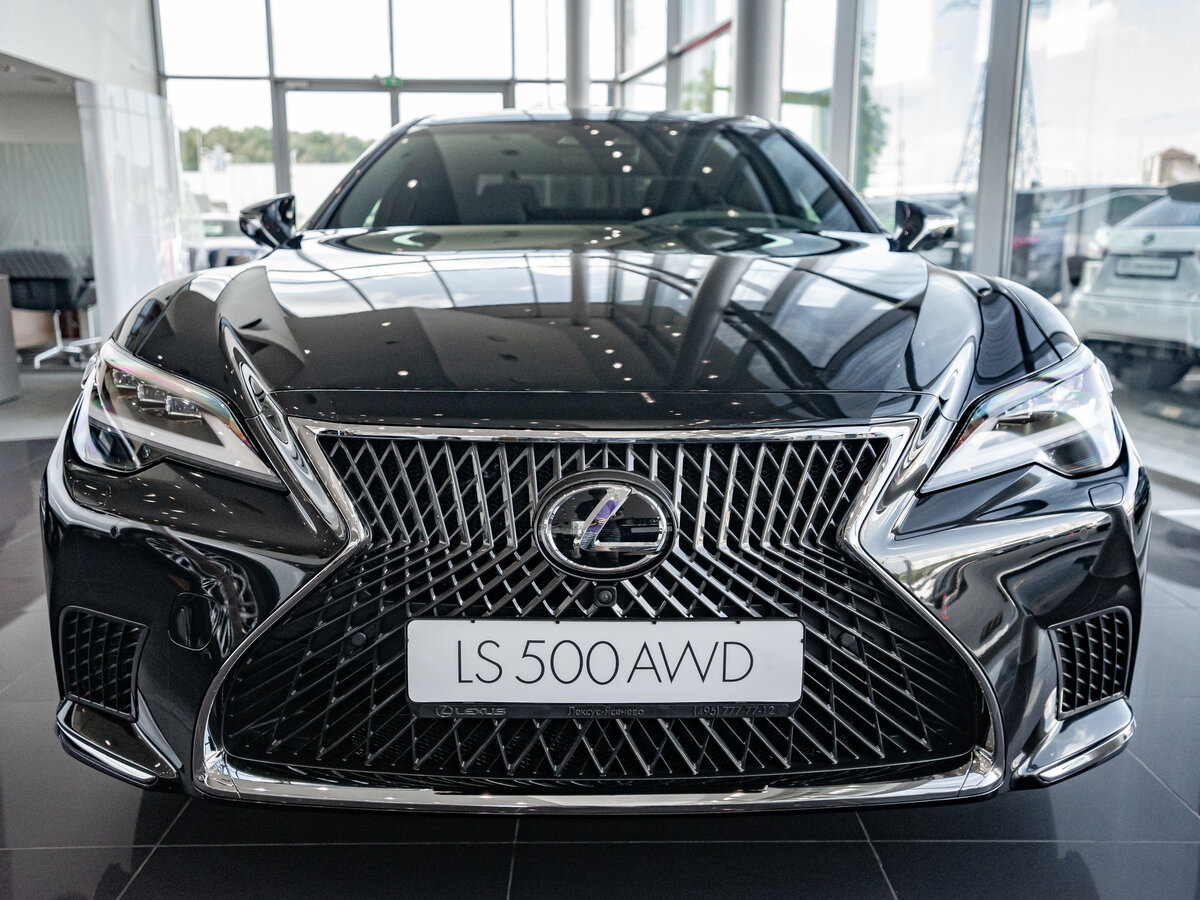
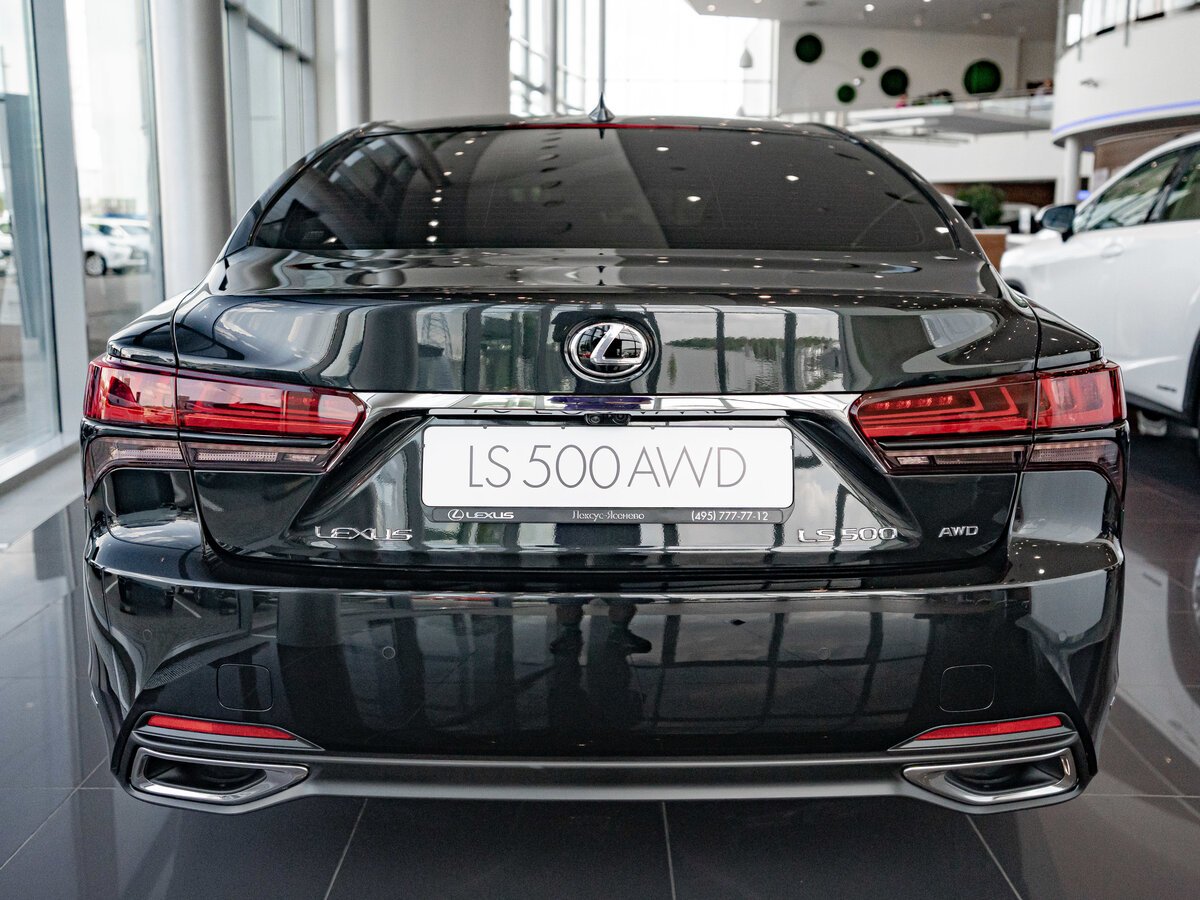
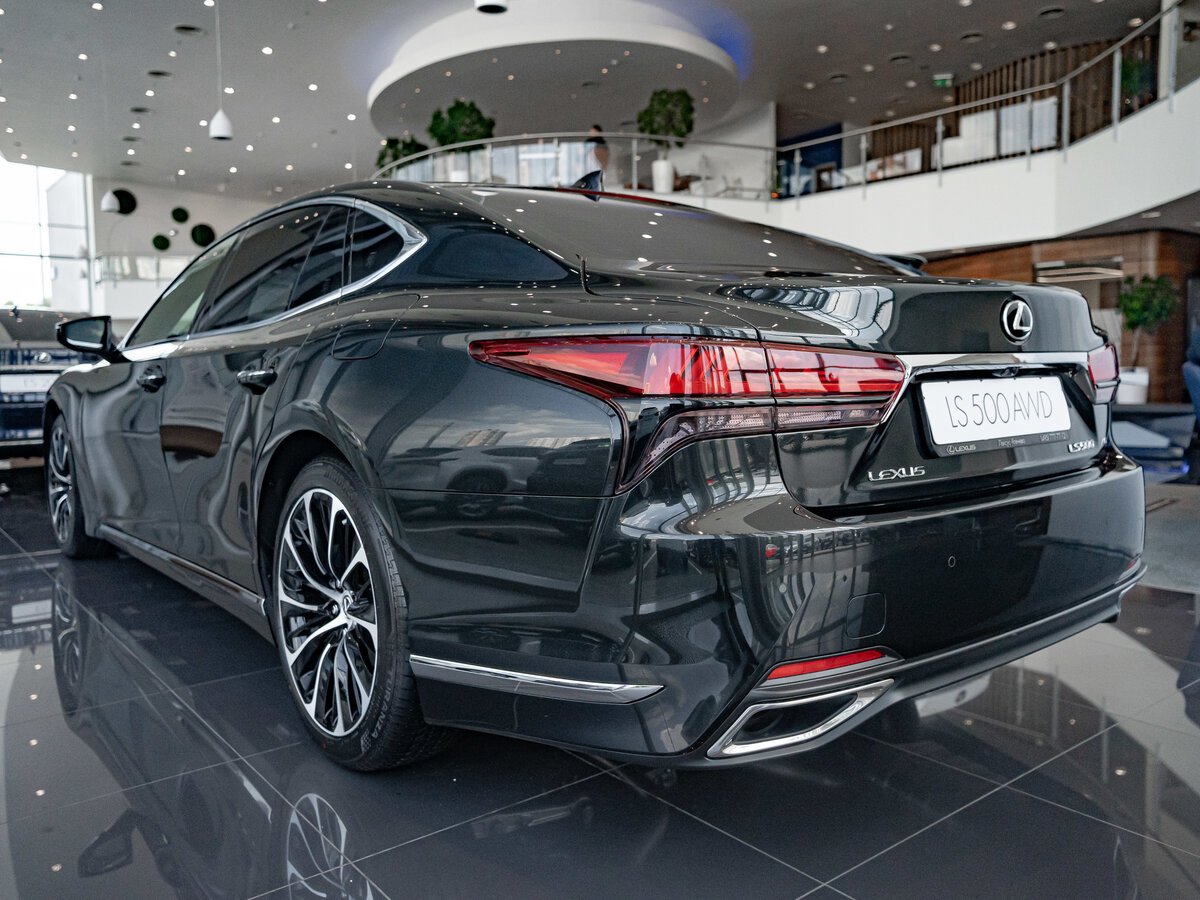
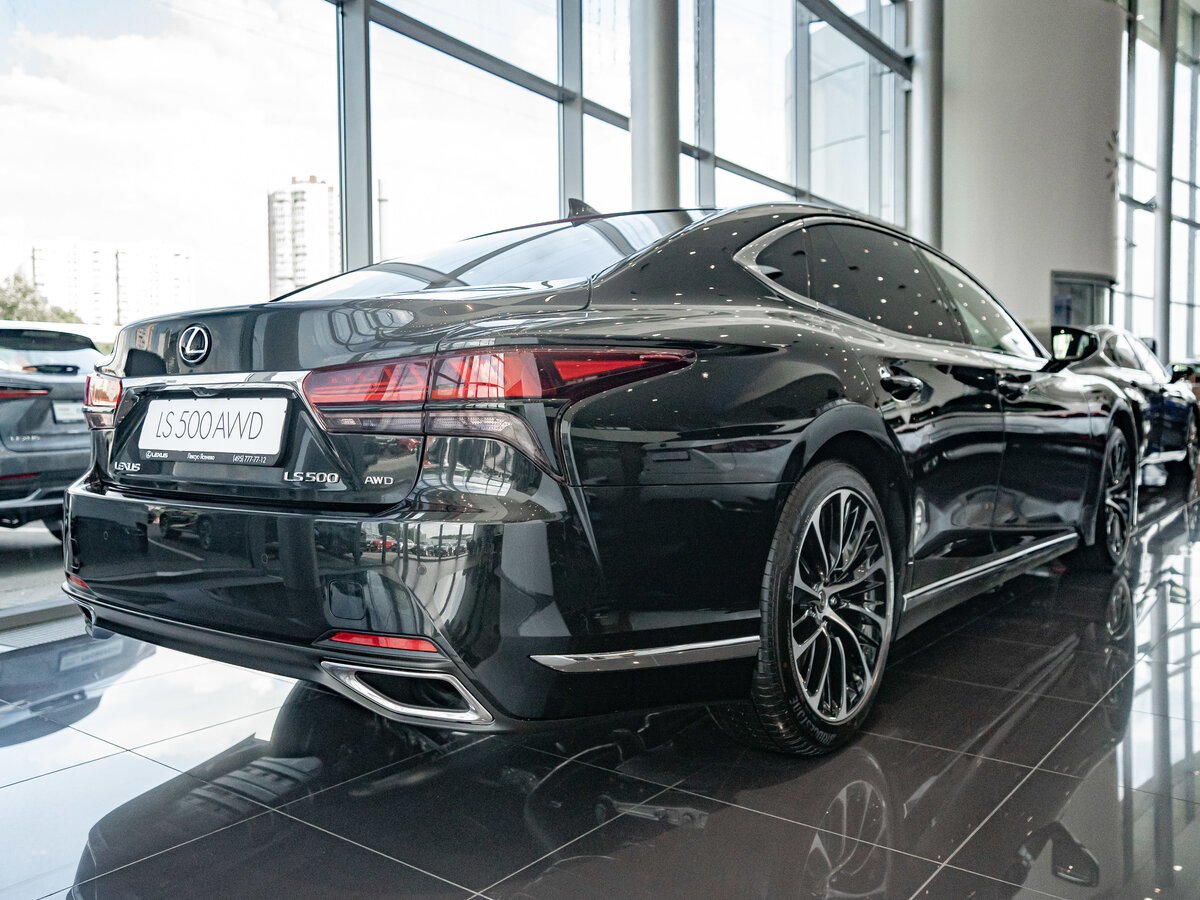
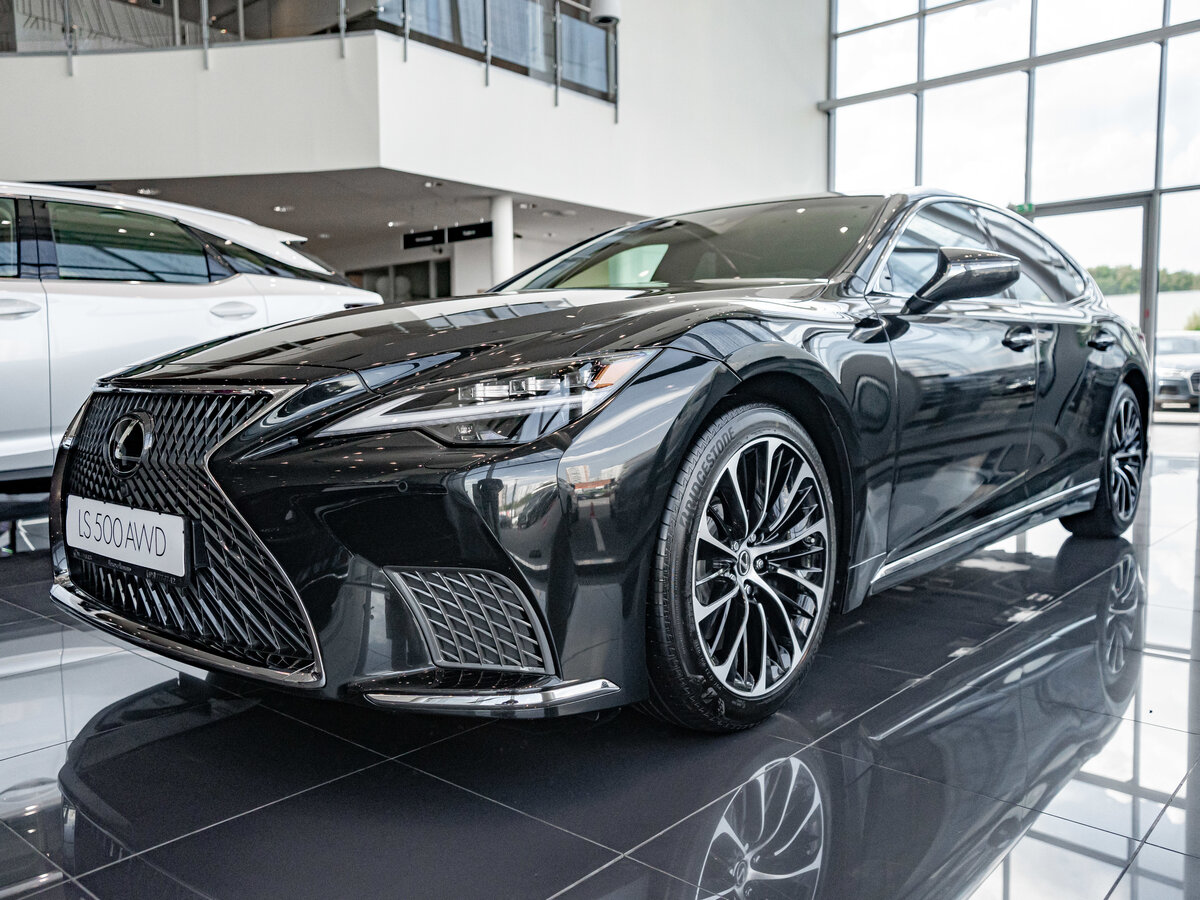
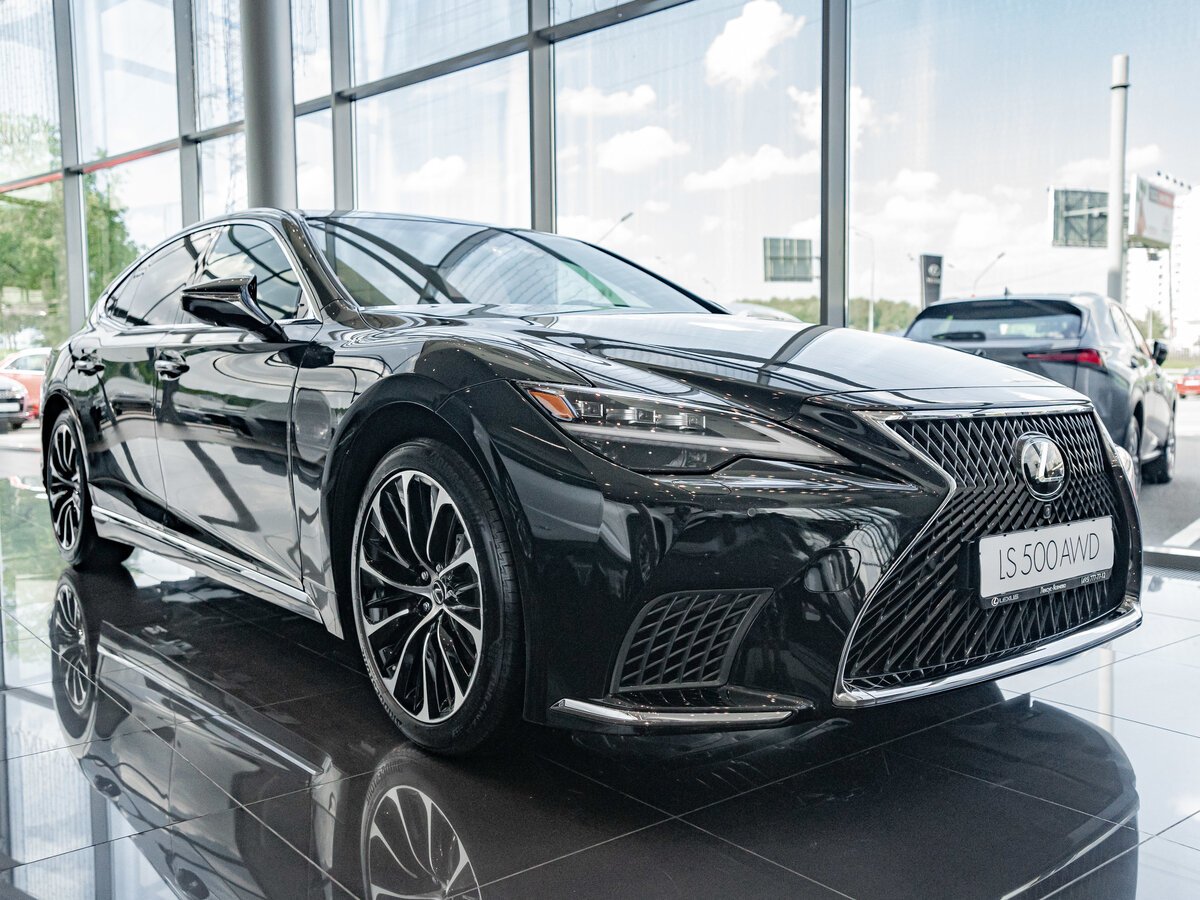
The Lexus LS 500 (chassis code XF50) is Toyota's fifth-generation flagship saloon and the most technically ambitious car Lexus has ever built — a full-size luxury limousine sharing its GA-L (Global Architecture for Luxury) rear-drive platform with the Lexus LC coupe and the Toyota Crown. Launched in 2017 and significantly revised with the 2020 model-year facelift, the LS 500 replaces the previous UR-series V8 with the new V35A-FTS 3.5L twin-turbo V6 producing 416 hp and 600 Nm, mated to a bespoke 10-speed Direct-Shift automatic. A parallel LS 500h hybrid variant uses the 2GR-FXS 3.5L V6 with two electric motors and a Multi Stage Hybrid system (354 hp combined). The LS is breath-takingly refined and conservatively styled from the factory — and that is exactly why it benefits enormously from the Japanese VIP-style tuning ecosystem. This guide covers every meaningful upgrade available for the LS 500 — Wald Black Bison, Artisan Spirits, Lexon Exclusive and Job Design kits, 22" forged VIP Modular, Vossen and Work wheels, Tanabe suspension, Borla exhausts — and an honest, sensory breakdown of what actually changes in the first week of ownership after a full build.
Lexus LS 500 (XF50) — Key Specifications
Platform Overview — GA-L and Why It Matters
The LS 500 rides on Toyota's GA-L (Global Architecture for Luxury) rear-drive platform — a ground-up luxury architecture introduced with the Lexus LC 500 coupe and subsequently rolled out to the LS saloon and the Toyota Crown (Japan-market) sedan. GA-L is the first Lexus-specific platform that was not derived from a shared Toyota mid-size car base, and it was engineered explicitly for low centre of gravity, high torsional rigidity and rear-wheel-drive dynamic purity. Practically, this means two things for tuners. First, the bodyshell is unusually stiff — more than 20% stiffer than the outgoing LS 460 — and responds cleanly to lowering springs, coilovers and stiffer anti-roll bars without developing the creaks and rattles that plague older full-size luxury saloons. Second, the wheelbase is genuinely long at 3,125 mm (LS comes only in what used to be "L" / long-wheelbase specification — there is no short-wheelbase version in this generation), which gives Japanese VIP-style tuners a huge canvas for flush-mounted 22" wheels with serious concavity and dramatic lowering kits. The 2020 facelift refreshed the spindle grille, revised the LED signature, retuned the Adaptive Variable Suspension, added the latest touchscreen infotainment and — critically for tuners — improved the factory noise-insulation package so that even after an aftermarket exhaust the cabin stays comfortable on long motorway drives.
Body Kits — Wald Black Bison, Artisan Spirits, Lexon Exclusive, Job Design
Wald International — Sports Line Black Bison Edition. Wald is the most prominent Lexus tuner in the world and the Black Bison Edition kit for the LS 500 is the definitive aggressive makeover. The programme adds a reshaped front half-spoiler with exaggerated central intake, side-skirt extensions, a full rear apron with integrated quad diffuser and a subtle boot-lid spoiler — all in FRP (fibreglass-reinforced plastic) as standard, with a dry-carbon upgrade path. Wald also supplies matching 22" Illima or Portofino forged wheels, a 30-40 mm lowering spring kit and optional dark-chrome window-trim swap. The aesthetic is classic Japanese VIP: long, low, wide and muscular. Turnkey install is approximately JPY 1.8-2.6 million (£10,500-15,500) depending on carbon specification. Wald Black Bison remains the single most photographed LS 500 tuning programme globally.
Artisan Spirits — Sports Line Black Label. Artisan Spirits is a Tokyo-based tuner known for sleek, lower-body-only lip kits that sharpen the car without widebody drama. The LS 500 programme comprises a lower front lip spoiler, subtle side-skirt under-extensions and a clean rear under-spoiler. The Artisan aesthetic is sharper and more European-influenced than Wald — less Yakuza, more salaryman executive. FRP construction with optional dry-carbon fibre overlays. Approximately JPY 450,000-850,000 (£2,600-5,000) for the full lip kit, making it by far the most accessible genuine Japanese tuner option. Artisan pairs well with lowering springs and 21-22" wheels without requiring arch-liner rework.
Lexon Exclusive — carbon trim and aero programme. Lexon Exclusive is a specialist Lexus/Toyota JDM tuner focused on dry-carbon-fibre exterior components — bonnet, front-lip extensions, side-mirror caps, rear diffuser elements and boot-spoiler blades — rather than full kits. Lexon's approach suits owners who want to retain the OEM silhouette while adding bespoke carbon detail. Components can be fitted incrementally across months or years. Typical Lexon carbon programme: £4,500-9,000 depending on panel count. Combines cleanly with Wald or Artisan base kits.
Job Design — subtle sport body kit. Job Design is another mid-tier Japanese tuner offering a subtle half-spoiler front-lip programme, side skirts and a rear lower valance. The aesthetic is the most restrained of the major Japanese options — ideal for executive LS owners who want a light sport enhancement rather than a full VIP makeover. Approximately JPY 500,000-900,000 (£2,800-5,200) for the full kit in FRP. Job Design also supplies matching staggered 21" cast wheels at modest cost for owners targeting a clean executive look rather than full widebody drama.
Note on Brabus. Brabus — the famous Mercedes-Benz tuner frequently associated with premium saloons — does not produce kits for Lexus. Brabus works exclusively on Mercedes-Benz and Smart. Any "Brabus-style" LS 500 components advertised online are unofficial and should be avoided. The authentic Lexus LS tuning ecosystem is Japanese — Wald, Artisan, Lexon, Job Design — and these four programmes collectively cover roughly 95% of the documented LS 500 aftermarket builds worldwide.
Wheels — 22" VIP Modular, Vossen HC-1, Work Wheels, Forged Recommendation
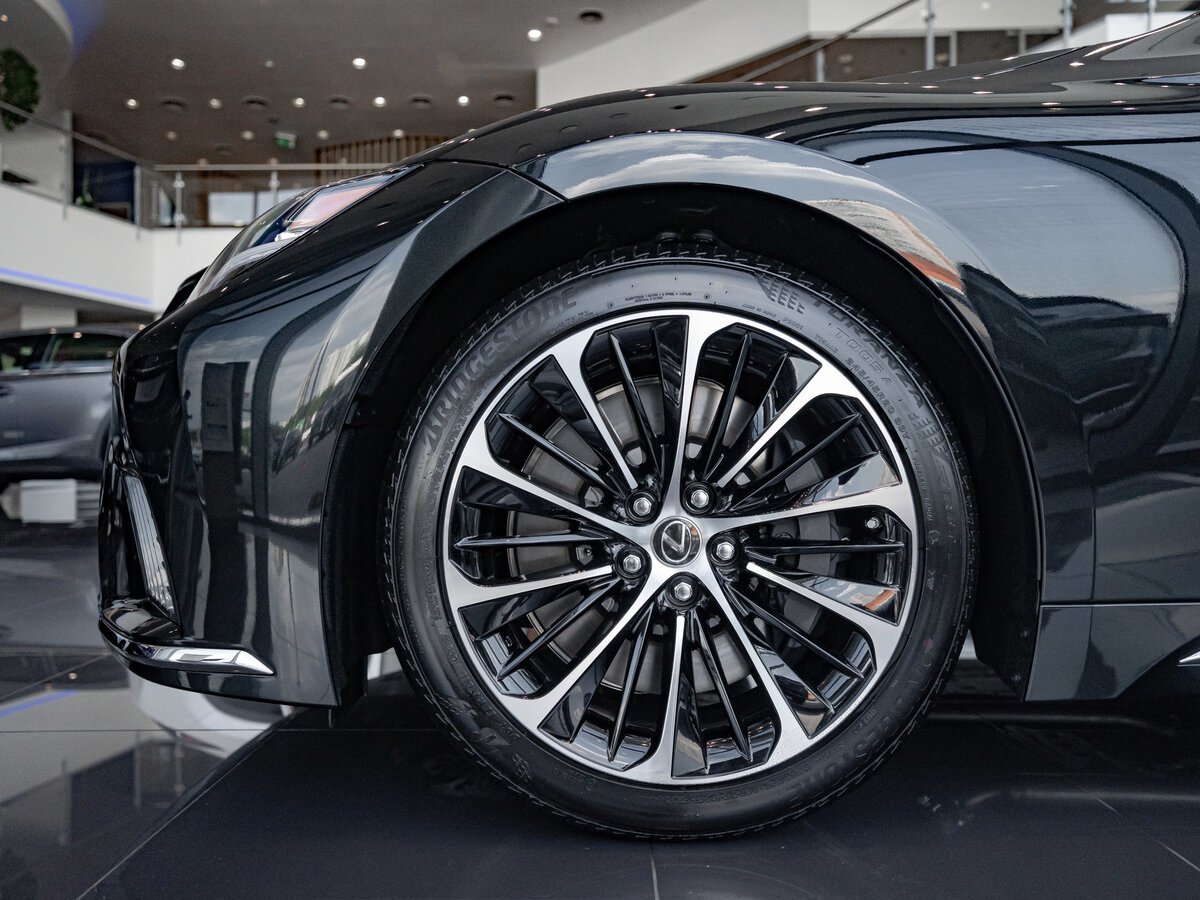
Factory LS 500 wheels are 19" or 20" cast alloy depending on trim (F SPORT gets a staggered 20"). For any meaningful build we recommend moving to 22" in genuine forged construction — the LS's long wheelbase and luxury-saloon proportions visually swallow 20" wheels, and the 2,180 kg kerb weight combined with 600 Nm of twin-turbo torque puts cast wheels under real stress, especially on European or Russian roads.
VIP Modular — LS-favoured VX110 / VX210. VIP Modular is the default forged wheel choice for Japanese VIP-style LS builds. The VX110 and VX210 patterns in 22 x 9.0J ET35 front and 22 x 10.5J ET40 rear with 255/35 R22 front and 285/30 R22 rear tyres is the canonical fitment. Brushed gun-metal, matte black, candy brandywine and bespoke two-tone finishes are all standard options. Three-piece construction with customisable centre, lip and hardware. Approximately £7,500-11,500 per set of four. The VIP Modular LS 500 look is the internet-canonical JDM executive aesthetic.
Vossen HC-1 hybrid-forged. Vossen's HC (Hybrid Concave) range in the HC-1 finish is the value-oriented alternative — flow-form hybrid-forged construction at roughly half the price of true billet-forged, while still comfortably stronger than cast. 22 x 9.0J and 22 x 10.5J in satin black, gloss black, brushed gloss or a custom colour. Suitable for factory-power or Stage 1 builds. Approximately £3,800-5,200 per set. Lead times 6-10 weeks.
Work Wheels — VS-XX, Meister S1 3P, Gnosis. Work Wheels is a Japanese forged specialist and extremely popular on JDM-spec LS 500 builds — Work wheels are almost over-represented in Japanese domestic photography. The VS-XX 22" and the three-piece Meister S1 3P in 22 x 10J rear are the standouts. Work forged wheels carry a lifetime structural warranty when installed by an authorised dealer. Approximately £9,000-14,000 per set depending on specification. Combines particularly well with the Wald Black Bison kit.
HRE P104 / S101SC. For owners seeking a non-Japanese alternative, HRE's P104 monoblock or S101SC multi-piece forged in 22" offers unlimited colour and finish customisation — centre, lip and hardware can each be specified independently. Typical lead time 8-10 weeks. £10,000-14,000 per set. Our regional customers commonly specify HRE in brushed titanium, liquid silver or gloss bronze for a non-Japanese, more European aesthetic. Whichever wheel is specified, we recommend 22" minimum in genuine forged construction — those two rules protect both car and wheel on the LS's long-wheelbase chassis.
Performance — Stage 1/2 Tuning, Tanabe Suspension, Borla Exhaust
Stage 1 ECU remap (416 → 470 hp). The V35A-FTS twin-turbo V6 responds very cleanly to a Stage 1 remap — specialists including VF Engineering, BMS (Burger Motorsports) and regional Japanese tuners report consistent 470-490 hp and 720-750 Nm on 98 RON pump fuel with no hardware changes. The gain is uniform across the rev range rather than peaky, preserving the Lexus refinement character. Approximately £1,200-1,800 turnkey remap. Fully reversible before a Lexus dealer service visit, which preserves warranty claims in most jurisdictions.
Stage 2 (416 → 530 hp). Stage 1 plus high-flow intakes (Injen, AEM or JDM-spec HKS), larger intercoolers (CSF or Mishimoto) and a full 3-inch catback or midpipe. Around 520-540 hp at the crank. Approximately £5,500-8,500 turnkey. The 10-speed Direct-Shift transmission is robust and handles the torque increase without modification; the factory brakes and suspension benefit from the upgrades below.
Tanabe Sustec / NF210 lowering springs. Tanabe is the most respected Japanese lowering-spring specialist and the Sustec NF210 kit for the LS 500 drops ride height by 25-30 mm front and 25-35 mm rear while preserving the factory Adaptive Variable Suspension damping logic. The car sits visibly lower, fender-to-tyre gap shrinks dramatically, but the ride quality stays executive-grade. Approximately £550-750 installed. For more aggressive builds, Tanabe DEVIDE / Sustec Pro Five coilovers offer full ride-height and damping adjustability at £1,800-2,600 fitted.
Exhausts. The Borla axle-back stainless-steel system is the US-market default — a tasteful, deeper V6 soundtrack that preserves Lexus refinement at cruise and adds audible turbo whistle under load. £1,400-2,100. Fujitsubo Authorise-R is the JDM gold standard — Japanese-made, extremely high build quality, and tuned for the V35A-FTS's exhaust pulse pattern. £2,400-3,800. Akrapovic does not currently offer an off-the-shelf LS 500 system. A valved cat-back from Armytrix is also available at £3,200-4,500 with wireless remote valve control — quiet in city mode, full-shout on demand.
Brakes. Factory LS 500 brakes are entirely adequate through Stage 2 (~530 hp) territory. For hard use or track-oriented builds, a Brembo GT 6-piston upgrade (380 mm front) or AP Racing Radi-CAL kit at £4,500-7,500 delivers sharper pedal feel and meaningful heat capacity. Most LS 500 owners are GT/executive drivers and the factory brakes — combined with stickier 22" tyres — remain sufficient for normal use.
Interior — Executive Trim, Kiriko Glass, Ottoman and Retrim Options
The factory LS 500 cabin — especially in top-spec Executive trim with the rear-seat ottoman, 22-way massaging chairs and hand-pleated Kiriko glass door-card inserts — is arguably the finest non-Rolls-Royce luxury interior on sale today. Tasteful upgrade paths therefore focus on personalisation rather than replacement: diamond-stitched leather retrims in bespoke colours, Alcantara headliner and A-pillar swaps, carbon-fibre dashboard and door trim from Lexon Exclusive, and custom sill-plate engraving. Garage Vary also offers interior accent kits specifically for the LS 500. For owners seeking full bespoke craftsmanship, European houses including Carlex Design in Poland can retrim the LS cabin to Rolls-Royce-tier standards at roughly £8,000-14,000.
What Actually Changes — An Honest Before/After
Here is what genuinely changes in the first week after a full Wald Black Bison + 22" Vossen HC-1 + Tanabe Sustec NF210 + Borla axle-back build on a stock LS 500. Looks. The car was previously a quiet, refined, conservative executive limousine — anonymous in traffic, mistaken at a glance for a Toyota Avalon by non-enthusiasts. After the build, it is unmistakably a modified luxury saloon. The Wald Black Bison front lip lowers the approach angle by a visible 40 mm, the Tanabe springs drop the body by 30 mm overall, and the fender-to-tyre gap shrinks from the factory 80 mm to roughly 50 mm — the difference between "executive car" and "VIP slammed saloon" is exactly that 30 mm of measured daylight. The 22" Vossens fill the arches properly where the 19s looked apologetic. The rear diffuser adds roughly 80 mm of visual width without any actual fender modification. Sound. The Borla axle-back preserves cruise refinement — at 120 km/h on motorway the cabin is still library-quiet — but under throttle the V35A-FTS's twin-turbo whistle is now audible, where it was completely suppressed by the factory system. Cold starts develop a genuine V6 burble for the first 15 seconds. Feel. The Tanabe springs stiffen initial turn-in noticeably — the LS rolls less but retains surprising compliance on expansion joints. Reactions. Valets and hotel doormen now ask what it is. Kids photograph it at petrol stations. That was not happening before.
Frequently Asked Questions
Is the LS 500 twin-turbo V6 (V35A-FTS) reliable enough for Stage 2 tuning?
Yes, with caveats. The V35A-FTS is a ground-up modern twin-turbo design shared architecturally with the Lexus LC 500h's next-generation hybrid and the Toyota Tundra's i-FORCE MAX — a well-developed platform with robust internals. Community evidence from US and Japanese LS 500 owner groups shows Stage 1 (470 hp) runs are uneventful at 80,000+ km on stock hardware. Stage 2 (~530 hp) requires closer attention to oil-change intervals (tighten from 16,000 km to 10,000 km), 98 RON pump fuel exclusively, and a watchful eye on intercooler efficiency in hot climates. The 10-speed Direct-Shift transmission is extremely robust at stock and handles Stage 2 torque without a TCU reflash. We do not recommend Stage 3+ (600+ hp) builds on the V35A-FTS because the turbo sizing and intercooler geometry become limiting rather than the engine itself — and at that power level the LS philosophy of quiet luxury begins to contradict itself anyway.
LS 500 vs LS 500h hybrid — which is the better tuning base?
For any meaningful power-oriented tuning, the LS 500 (V35A-FTS twin-turbo) is the correct choice — it gains a reliable 50-100 hp from simple bolt-ons, where the LS 500h Multi Stage Hybrid system is much harder to tune (the electronic control, battery management and 4-speed reduction unit severely constrain ECU-level power increases). The LS 500h is, however, the more refined and more technologically fascinating car — it is 200 kg heavier but eerily smooth, with a 0-100 km/h time of 5.4 s that belies the complexity of its hybrid powertrain. For pure cosmetic tuning (Wald Black Bison, 22" wheels, Tanabe springs) the two cars are functionally identical and any of the kits described above fit both. Our recommendation: if the build is primarily about looks and handling, either car works; if performance is a priority, specify the LS 500 twin-turbo donor.
Will a Wald Black Bison kit hurt the LS 500's resale value?
Short answer: with a full reversibility kept, resale is protected; without it, a widebody-aesthetic LS sells to a narrower buyer pool and typically at 10-15% below stock comparable prices. Practical advice for owners who care about 5-7 year resale: (1) keep all OEM parts — front bumper, side skirts, rear valance, factory wheels — in storage so a future dealer-style sale can be staged as stock; (2) request FRP rather than permanently-bonded components; (3) avoid painting factory chrome trim in colours you cannot reverse; (4) photograph the stock configuration before any work. For owners who intend to hold the car 10+ years or sell into the enthusiast VIP-style JDM community, none of this matters — a genuine Wald Black Bison LS 500 with Work Wheels and Tanabe Sustec finds a motivated buyer very quickly in Tokyo, Osaka, Los Angeles, Dubai and Moscow. The residual-value risk is a middle-market phenomenon, not an enthusiast-market one.
What is the cleanest LS 500 build for someone who wants sport without drama?
The most elegant restrained build we regularly configure is: an Artisan Spirits lower lip and skirt kit (instead of Wald Black Bison widebody), a Tanabe NF210 25 mm lowering spring set (rather than full coilovers), 22" Vossen HF-5 or Work VS-XX in a subtle gun-metal or brushed-silver finish, a Borla axle-back exhaust (not the full cat-back), and a Stage 1 ECU remap to 470 hp. The total investment is approximately £12,000-18,000 on top of the LS 500 donor, the car retains its executive refinement at cruise, the modifications are reversible, and the visual delta from stock is substantial without ever crossing into "modified" territory. This specification appeals to owners who want the car to feel like a sharper version of itself — not a different car entirely. It is also by far the easiest specification to insure in Western Europe where fully-modified luxury saloons occasionally trip underwriting thresholds.