Audi Q8 55 TFSI (4M) Tuning Guide 2026 — Body Kits, Wheels & Performance


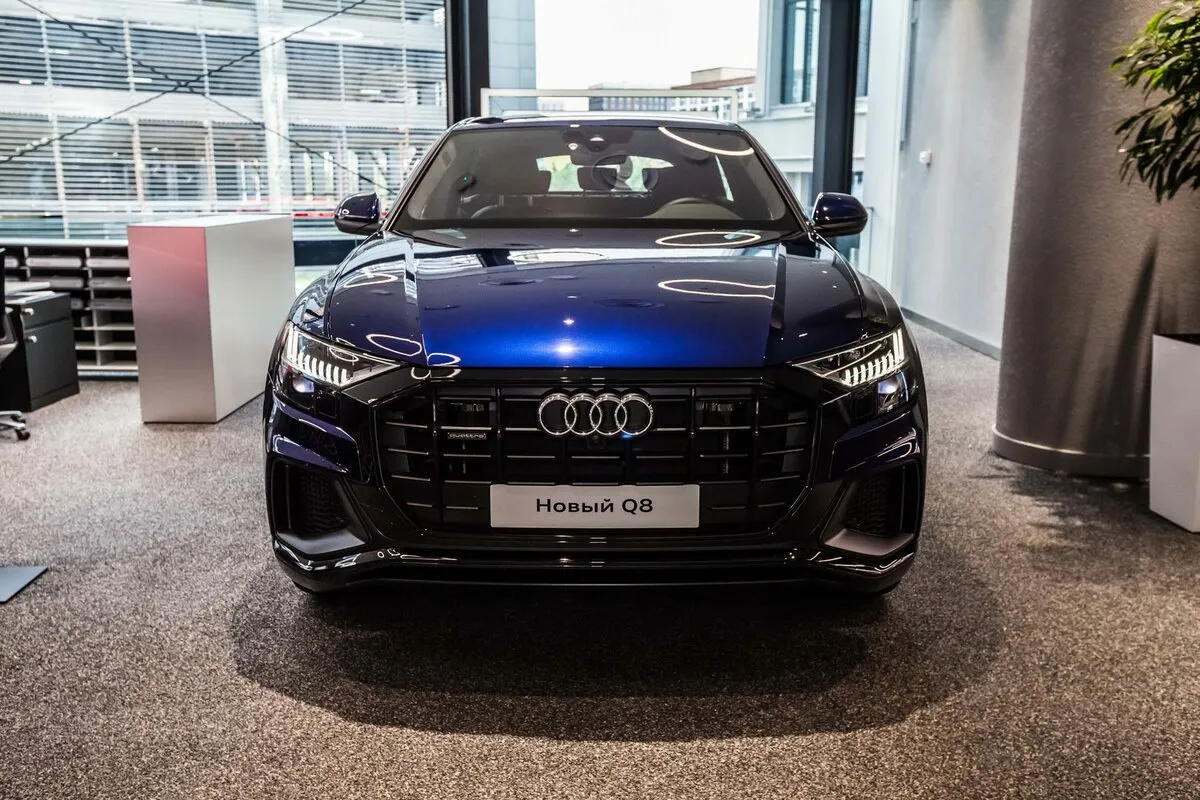
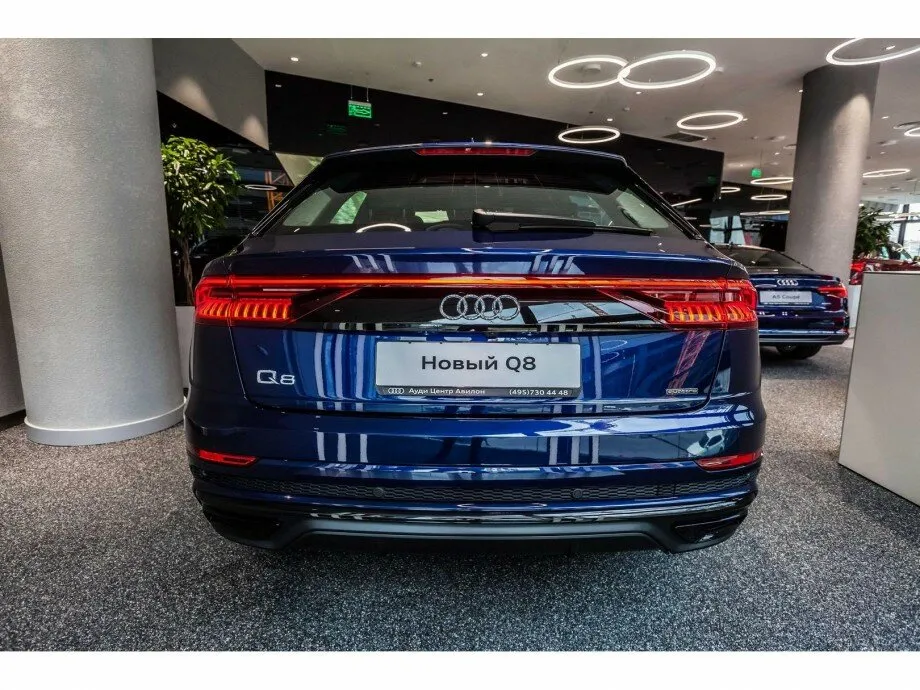
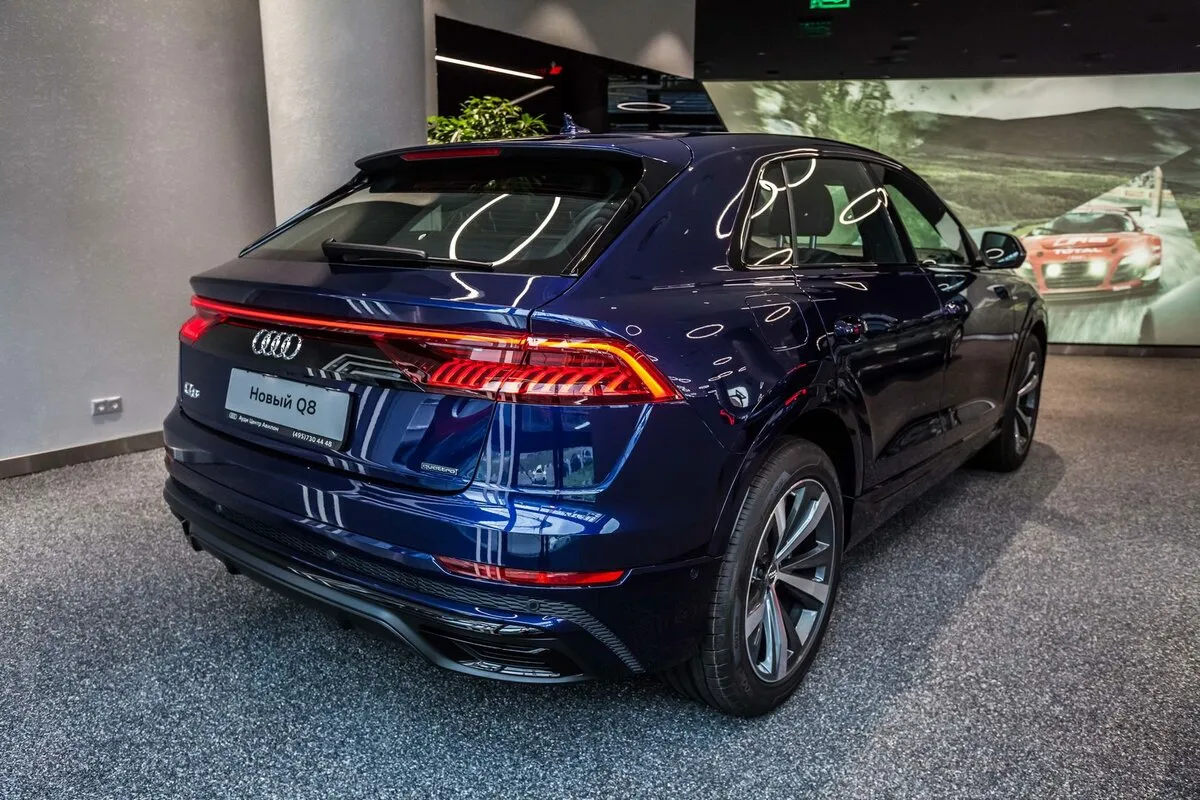
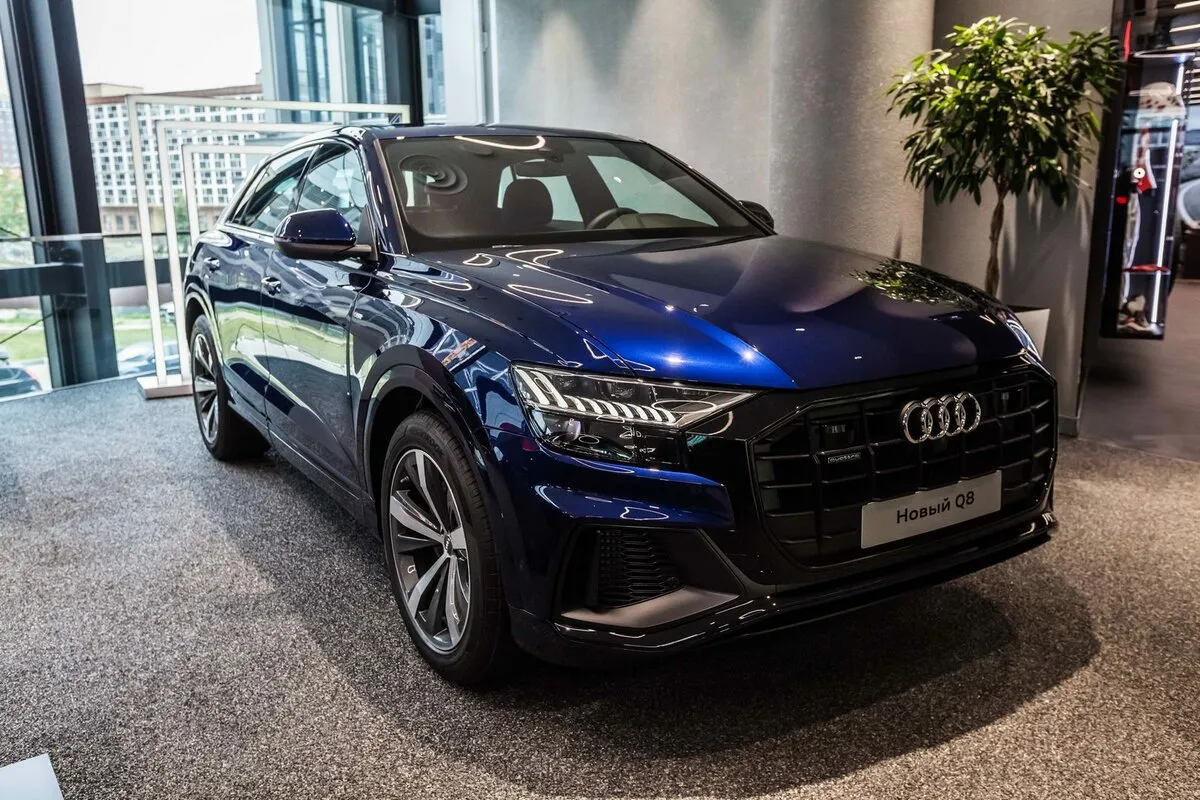
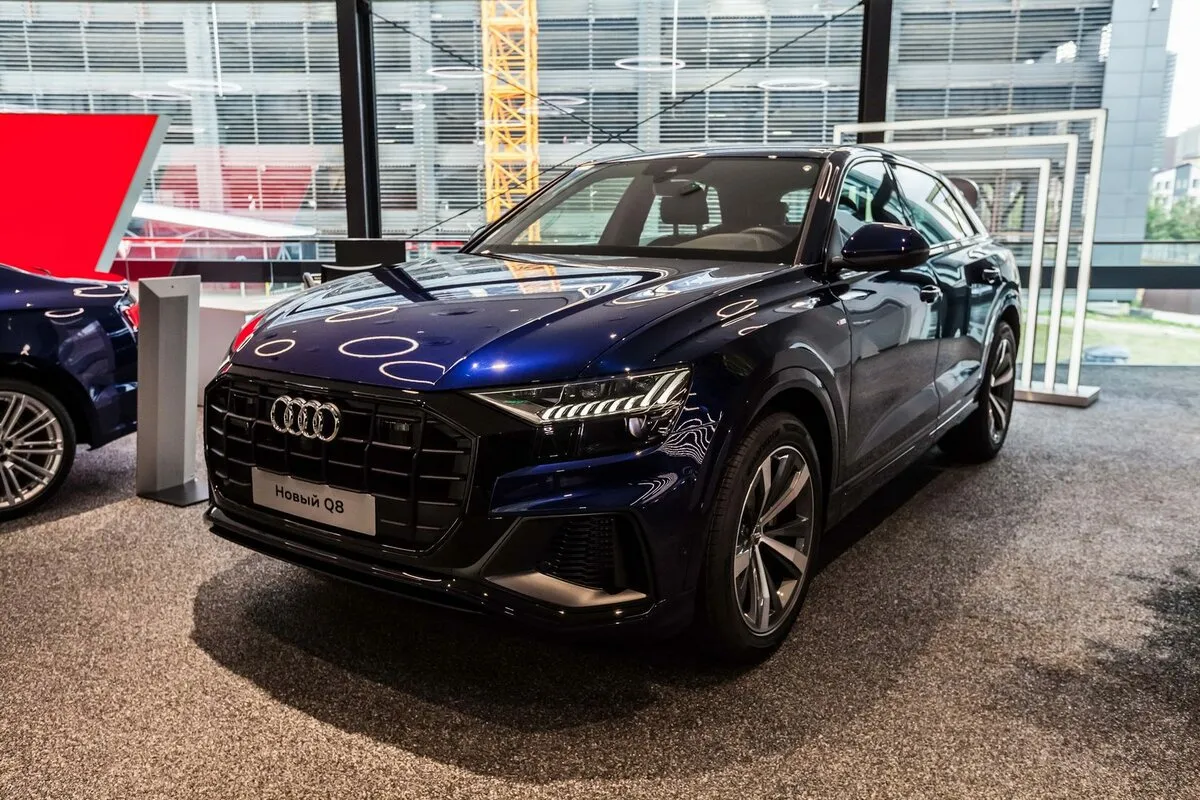
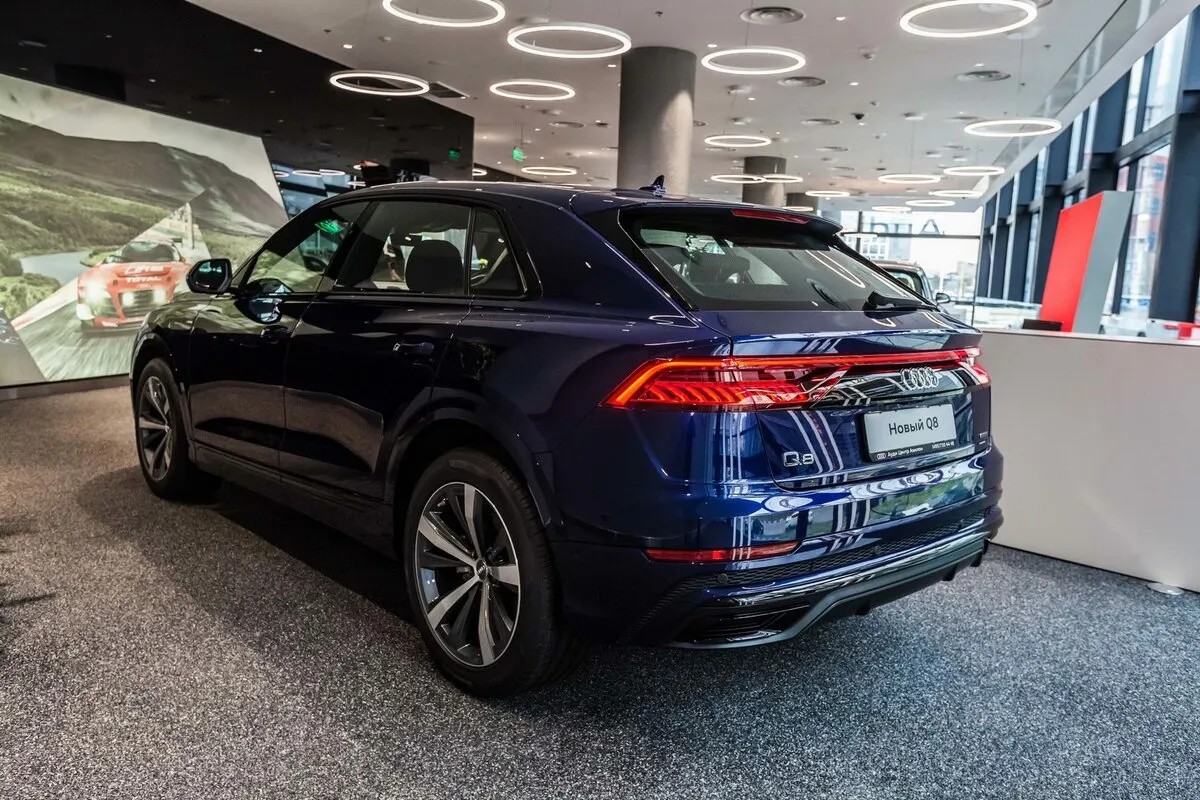
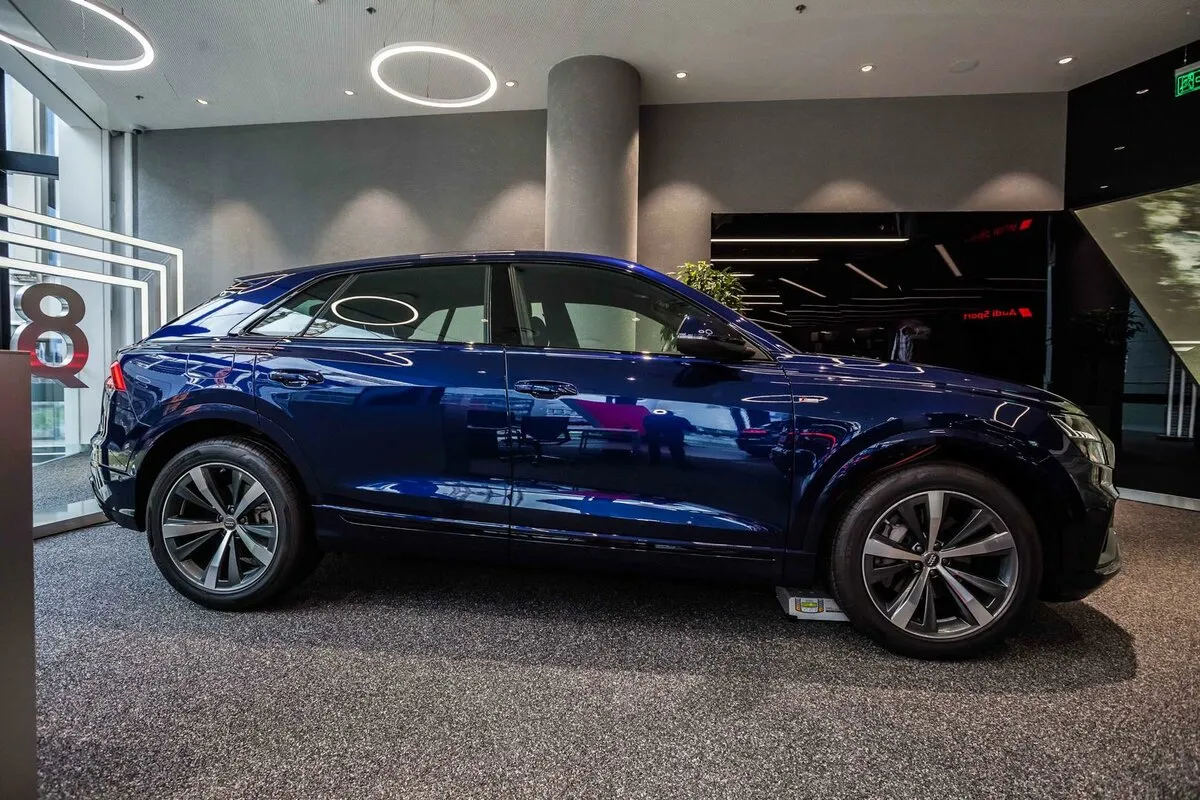
The Audi Q8 55 TFSI (internal code 4M75, launched in 2018 and refreshed for the 2024 model year LCI facelift) is Audi's flagship coupe-SUV — the design-led sibling of the Q7 4M, riding on Volkswagen Group's MLB Evo platform alongside the Audi SQ7, Porsche Cayenne, Bentley Bentayga, Lamborghini Urus and VW Touareg. The 55 TFSI is the volume engine of the Q8 range and, for tuning customers, the most important one: the 3.0-litre EA839 V6 single-turbo with 48 V mild-hybrid (MHEV) assist produces 340 hp and 500 Nm in factory trim, runs through an 8-speed Tiptronic and quattro AWD, and covers 0–100 km/h in around 5.9 seconds. What the 55 TFSI lacks over the 507 hp SQ8 and 600 hp RS Q8 V8 twin-turbo halo variants is factory aggression — and that is exactly why ABT Sportsline, Mansory, Hofele, Lumma, MTM, APR, JE Design and Wheelsandmore have built their entire Q8 catalogues around this chassis. This guide covers every meaningful upgrade for the Q8 55 TFSI 4M and explains what actually works on the MLB Evo platform.
Audi Q8 55 TFSI vs SQ8 vs RS Q8 — Key Specifications
Platform Overview — MLB Evo, quattro, Sport Differential & Air Suspension
The Q8 55 TFSI rides on Volkswagen Group's MLB Evo (Modular Longitudinal Architecture Evo) platform — the same set of underpinnings used by the Audi Q7 4M, Audi SQ7, Audi SQ8, Porsche Cayenne (E3/9YA), Bentley Bentayga and Lamborghini Urus, with mechanical relatives on the VW Touareg CR. That shared DNA is the single most important fact about tuning this car: turbo hardware, ECU mapping, downpipe geometry, wheel PCDs (5×112), brake callipers, air-suspension compressors and 48 V MHEV modules cross-pollinate across the platform family. An ABT ECU calibration validated on an SQ7 moves onto a Q8 55 TFSI with minor adaptation; a set of KW V3 coilovers developed for the Cayenne fits geometry-identical pick-up points on the Q8. The 55 TFSI specifically uses Audi's EA839 3.0-litre V6 single-turbo petrol (not to be confused with the EA839 diesel), paired with a 48 V belt-alternator starter generator and small lithium-ion battery pack that enables coasting, start-stop refinement and brief electric assist — tuners have to respect the MHEV control strategy when remapping. Chassis hardware on most markets includes five-mode adaptive air suspension with three ride heights, progressive-ratio steering, and the optional all-wheel steering system that sharpens low-speed manoeuvrability and adds high-speed stability. The quattro sport differential (available on S line and Black Optic packages) is a genuine dynamic asset, torque-vectoring across the rear axle during aggressive cornering. Tuners write body kits, coilovers and wheel offsets specifically for the Q8's coupe-SUV silhouette, which differs from the Q7 from the B-pillar rearwards.
Body Kits — ABT, Mansory, Hofele, Lumma, JE Design
ABT Sportsline Widebody — The Dominant Q8 Programme
ABT Sportsline of Kempten is the dominant Audi tuner, and the Q8 is one of its flagship 4M-generation projects. The ABT widebody programme for the Q8 55 TFSI delivers bolt-on carbon-composite fender flares (+30 mm per side), a front-bumper add-on with integrated blade-style splitter, side-skirt extensions, a rear-bumper insert with carbon diffuser and four-tip exhaust tips, plus an optional rear spoiler lip that follows the Q8's tailgate line. The ABT aero pack is designed to pair with the ABT Power S ECU upgrade (425 hp / 550 Nm — Stage 1) and the brand's own GR or FR forged wheels. ABT's TÜV homologation covers all EU registrations; the company offers identical paperwork through its UK, Swiss and UAE dealerships. The visual result closely approximates an SQ8 or RS Q8 silhouette on the 55 TFSI chassis.
Mansory Q8 — Full Theatre
Mansory's Q8 programme is the most extroverted in the segment: a carbon-mask front bumper with integrated LED signatures, heavily vented carbon bonnet, bolt-on fender flares with quad-vent inserts, Mansory-signature side-skirt extensions, a rear bumper with full carbon diffuser and centre-exit quad exhaust, plus a fixed two-plane carbon rear wing on the tailgate. Mansory Q8 cars typically ship with forged 23-inch Mansory wheels, a full diamond-quilted leather retrim with contrast stitching, an Alcantara headliner, and in many cases a paired engine tune. Mansory sells strongest in the Middle East, Russia, Southeast Asia and China where the visual theatre is the point. The brand homologates in Germany, ships finished cars worldwide with full documentation, and backs its work with a two-year warranty.
Hofele Q-Style, Lumma CLR 8 SR & JE Design Widebody
Hofele Design's Q-Style programme for the Q8 is a refined widebody kit — large front apron with a gloss-black or body-colour splitter, subtle fender flares, side-skirt add-ons and a rear diffuser insert — that sits visually between an OEM S line upgrade and a full ABT widebody. Hofele is the right choice for owners who want clean aggression without Mansory-level drama. Lumma Design's CLR 8 SR is the Leutkirch house's take: GT-inspired front bumper with pronounced carbon splitter, vented fender flares, venturi-style side skirts with cooling slats, a redesigned rear bumper with integrated quad-exit exhaust tunnels and a fixed carbon tailgate wing — typically specified in monochrome matte finishes paired with 23-inch Lumma forged wheels. JE Design offers a full widebody programme engineered in Germany at a lower total spend than ABT or Mansory, making it a popular choice in CIS and Eastern Europe. Honourable mentions: Startech, Caractere and Prior Design all list Q8 aero catalogues, primarily for the lip-kit and skirt-extension buyer who does not want a widebody commitment.
Wheels — 22" and 23" Forged Options
Factory Q8 55 TFSI wheels run 21-inch on standard trims and 22-inch on S line / Black Optic packages. Aftermarket upgrades universally step up to 22-inch or 23-inch forged, with staggered fitment to match the Q8's coupe-SUV proportions. The benchmark 22-inch set-ups are the ABT GR and ABT FR forged in 10.0J × 22 ET40 front / 10.5J × 22 ET45 rear wrapped in 285/40 R22 (Pirelli P Zero, Continental SportContact 7 or Michelin Pilot Sport 4 SUV); the Vossen HF-3 hybrid-forged and Vossen Forged S17 multi-piece in matching 22-inch staggered sizes; HRE FF21 flow-forged and HRE P201 multi-piece; and ANRKY AN39 three-piece forged. For 23-inch step-up fitment the references are HRE P207 and ANRKY S2-X3 in 10.0J × 23 front / 10.5J × 23 rear on 285/35 R23 and 295/35 R23 profiles. All fitments use the MLB Evo 5×112 PCD with a 66.5 mm hub bore and fall within the tolerance window for the Q8's air-suspension geometry. Forged construction is essentially mandatory above 22 inch given Q8 kerb weight (2145 kg unladen), and dedicated SUV compound tyres such as the Pilot Sport 4 SUV or SportContact 7 noticeably improve ride and NVH over standard performance compounds. TPMS sensors from OEM are plug-and-play on all listed brands.
Performance — ABT Power S 425 hp, MTM Stage 1, APR & Akrapovic
Power tuning on the EA839 3.0 V6 TFSI with 48 V MHEV follows a well-established MLB Evo playbook. The headline upgrade is ABT Power S: an ECU remap plus supporting data that lifts the 340 hp / 500 Nm factory output to 425 hp and 550 Nm — a Stage 1 flash with no hardware requirement, TÜV-homologated, with ABT's published long-term durability data and warranty add-on option. MTM offers an ECU-only Stage 1 reaching approximately 410 hp with a similar torque uplift, a long-time reference for the Ingolstadt tuning scene. APR Stage 1 (ECU flash) reaches 425 hp with optional supporting hardware (APR intake, intercooler) pushing toward Stage 2. Wheelsandmore publishes a Stage 1 at approximately 410 hp and a Stage 2 with downpipes reaching ~440 hp for customers willing to fit high-flow catalysts. For exhaust, the reference aural and weight-saving upgrade is Akrapovic Slip-On — a titanium muffler with four new tailpipes, TÜV-homologated, retaining factory downpipes and cats to preserve warranty and emissions compliance. Capristo offers a valved cat-back alternative with remote-controlled valves. For intake, Eventuri supplies a full carbon-fibre airbox system that fits the Q8 55 TFSI's engine bay with visible carbon content. On suspension, KW Variant 3 (V3) coilovers replacing the factory air system, or H&R 30 mm lowering springs for non-air-suspension cars, are the two standard paths; ABT also supplies its own lowered springs developed for owners who want to keep air-suspension functionality. Brembo big-brake kits and AP Racing 6-piston BBKs are the recognised upgrade paths for owners adding serious power or taking the car on track.
Interior — Carlex, Alcantara Headliner & Ambient Lighting
Factory Q8 cabins are already among the best in Audi's SUV portfolio, but the standard tuning path opens into full bespoke retrim through Carlex Design (Poland — quilted leather, contrast stitching, full Alcantara headliner, integrated rear-screen entertainment), Mansory interior (diamond-quilt full retrim with Mansory embossed logos) and ABT interior (carbon dashboard trim, embroidered ABT logos, illuminated door sills). Expanded ambient lighting (30-colour OEM upgrade from LCI cars retrofitted pre-LCI), Alcantara pillars and headliner, and carbon centre-console and dashboard inserts are the standard Q8 interior upgrade recipe; the frameless-door glass run-out strip is a common bespoke finishing touch.
Before & After: A Real Q8 55 TFSI Build For a Frankfurt Owner
Month 1 — Donor. A Frankfurt-based owner placed a deposit on a 2023 Audi Q8 55 TFSI in Black Optic specification, pre-owned at 21,000 km, for €95,000. Factory air suspension, sport differential, panoramic roof, standard 22-inch S line wheels. Brief: I want it to look like an RS Q8 without paying RS Q8 money, keep the 55 TFSI running costs, and make it mine.
Month 2 — Aero & power. The car shipped to ABT Sportsline's Kempten facility for the ABT widebody fitment — bolt-on fender flares, front splitter, side skirts, rear diffuser, Akrapovic-compatible exhaust outlets — paired with the ABT Power S flash lifting the EA839 V6 to 425 hp and 550 Nm. All-in aero plus power: €18,000 including paint-matching, labour and TÜV documentation.
Month 3 — Wheels & chassis. Fitment of ABT GR 22-inch forged wheels in matt black (10.0J front / 10.5J rear, ET40/45) on Continental SportContact 7 — €8,000. KW Variant 3 coilovers replacing the factory air suspension with a 35 mm drop — €4,000 fitted and aligned.
Month 4 — Sound, interior & protection. Akrapovic Slip-On titanium exhaust fitted (recorded ~4 kg weight saving on the rear axle). Carlex Design front-seat retrim with diamond stitching in black nappa with contrast grey piping — €11,000 including Alcantara headliner. Full paint-protection film over the painted panels and a ceramic-coating finish — €4,000.
Result. 425 hp / 550 Nm, distinctive ABT widebody silhouette, all-in build cost €140,000 for a Q8 55 TFSI that visually reads as an SQ8/RS Q8 hybrid. Running costs unchanged vs donor. Driver feedback after the first week: sharper turn-in from the KW V3, noticeably fuller throttle response mid-range, and immediate recognition from other Audi owners at Frankfurt's regular car meets. The owner reported the car felt “finally finished”.
Frequently Asked Questions
Q8 55 TFSI vs SQ8 — which is the better tuning ROI?
The 55 TFSI is the clear winner on total-cost-of-ownership tuning ROI. A 2022–2024 Q8 55 TFSI pre-owned is roughly €25,000–€35,000 cheaper than an equivalent SQ8, and an ABT Power S or APR Stage 1 flash (€2,500–€3,500) adds 85 hp for a 425 hp result that is within 15–20 hp of a factory SQ8. Combined spend sits well below SQ8 list even after widebody and wheels. The SQ8 makes sense if you specifically want the V8 soundtrack, the factory EAWS 48 V anti-roll system and the quicker 0–100 km/h (4.1 s vs ~5.2 s tuned 55 TFSI) — but for a build that looks like an SQ8 and delivers 80% of the performance envelope, the 55 TFSI is the smarter starting point. The EA839 V6 is well understood by ABT, MTM, APR and Wheelsandmore, and parts availability is excellent across the MLB Evo platform.
22" vs 23" wheels on the Q8's air suspension — how does ride actually change?
The honest answer is that 22-inch forged on a quality tyre (Pilot Sport 4 SUV, SportContact 7, P Zero) is close to indistinguishable from OEM 22-inch on the Q8's air suspension — forged construction reduces unsprung mass, which the air system compensates for readily. Moving to 23-inch introduces a real trade-off: sidewall height drops from roughly 114 mm to 99 mm, impact harshness over sharp-edged bumps rises noticeably, and the air suspension has less margin to absorb secondary ride inputs. For daily-driven Q8s we specifically recommend 22-inch forged unless the car is primarily a static display or summer-only build. Twenty-three-inch is perfectly usable on smooth tarmac (Dubai, Southern California, the German autobahn network) but tires owners on poor roads. Forged is essentially mandatory at 23 inches given Q8 kerb weight — cast 23-inch wheels crack under pothole impact.
Does an ABT Power S flash void the Audi factory warranty?
Technically yes on the powertrain components directly affected by the flash (engine, turbo, DSG clutches, drivetrain) — as with any ECU remap, Audi is within its rights to decline a warranty claim that it can demonstrate was caused by the modification. In practice, ABT offers an ABT warranty extension bundled with the Power S upgrade that covers the same scope as the Audi factory warranty for the remainder of its original term, administered through ABT's dealer network across the EU, UK, Switzerland and UAE. Claims are handled by ABT rather than Audi. Non-powertrain warranty (electronics, infotainment, body, interior) is unaffected by the flash. For owners whose factory warranty has already expired, the ABT extension is often the decisive reason to go with Power S over an APR or MTM tune that doesn't offer equivalent cover.
What are the tuning constraints from the 48 V MHEV system?
The 48 V mild-hybrid (MHEV) system on the Q8 55 TFSI is a belt-alternator starter generator (BAS) with a small lithium-ion buffer battery, and it has three implications for tuning. First, the MHEV control strategy needs to be respected by any ECU flash — reputable tuners (ABT, APR, MTM, Wheelsandmore) calibrate around torque-fill and coasting modes without disabling them. Second, MHEV cars are slightly more sensitive to engine-bay thermal management than non-MHEV equivalents because the BAS sits in the belt drive and heat-soaks; this rarely causes issues at Stage 1 power levels but argues for an intercooler upgrade at Stage 2. Third, downpipe or cat-less modifications can trigger MHEV fault codes because oxygen-sensor data feeds into the hybrid strategy; Stage 1 ECU-only flashes avoid the issue, while Stage 2 requires a proper tuner with Q8-specific MHEV code tables — ABT, APR and Wheelsandmore all have this mapped. The factory 12 V electrical system remains unaffected.