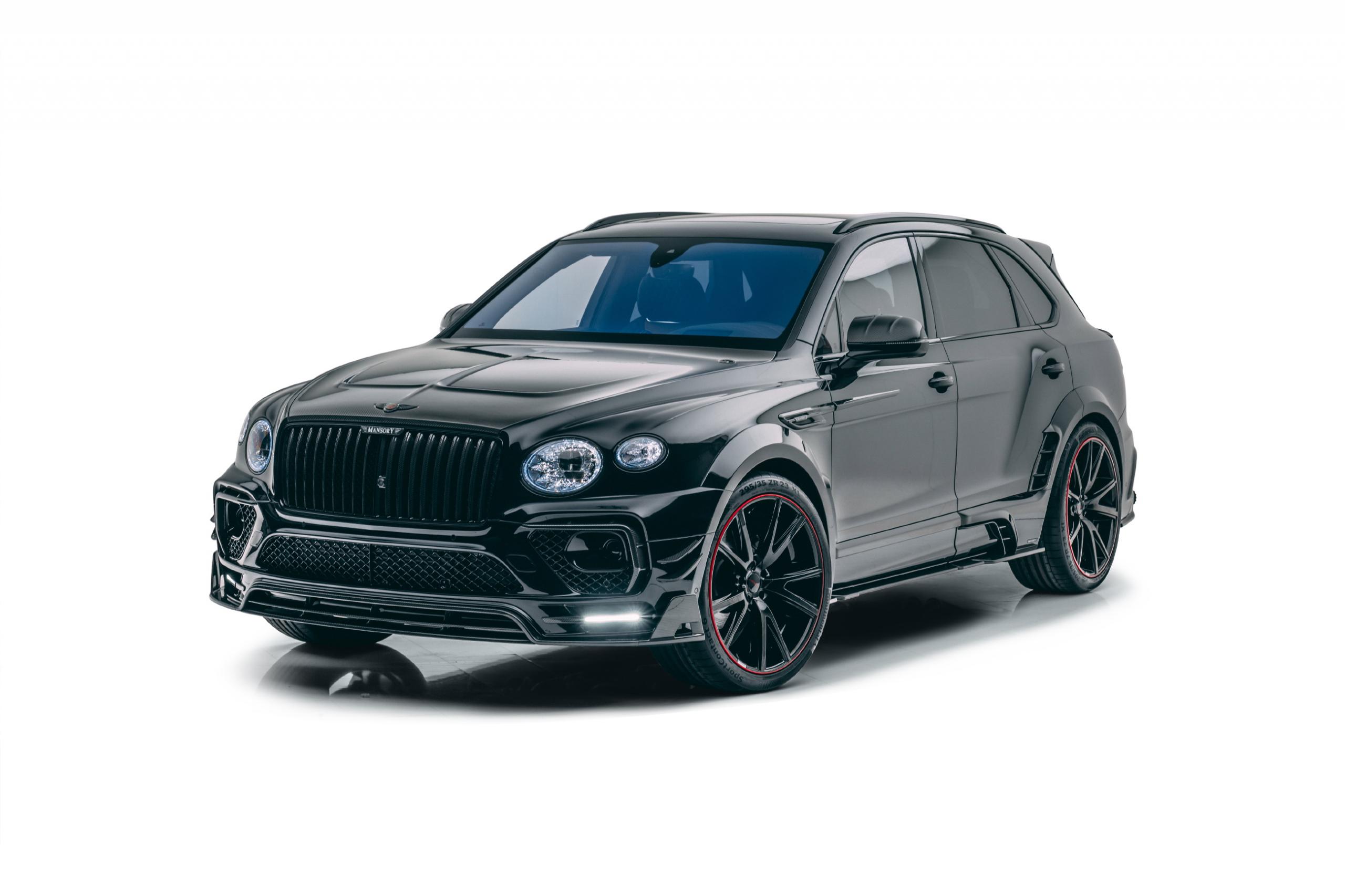
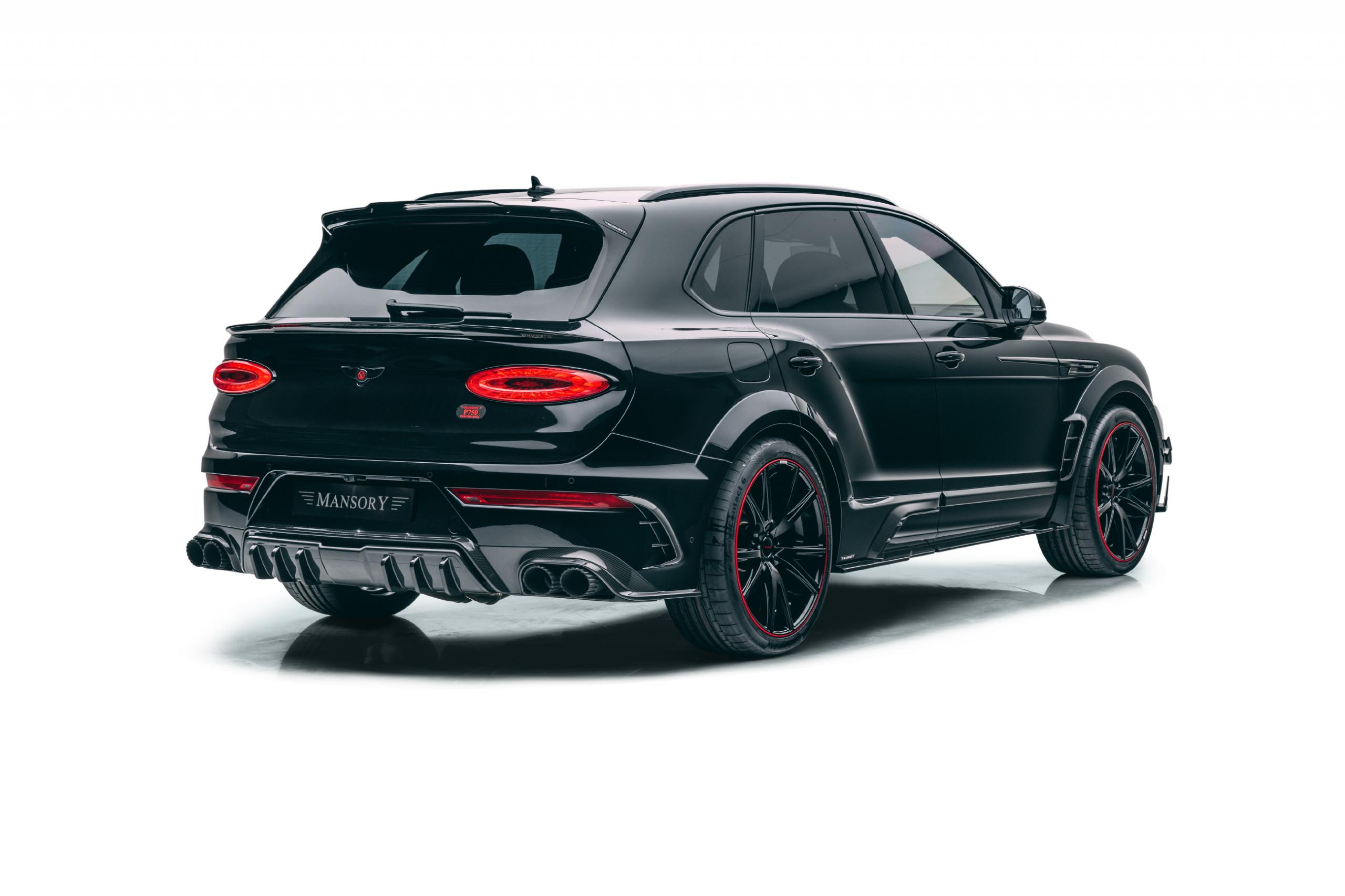
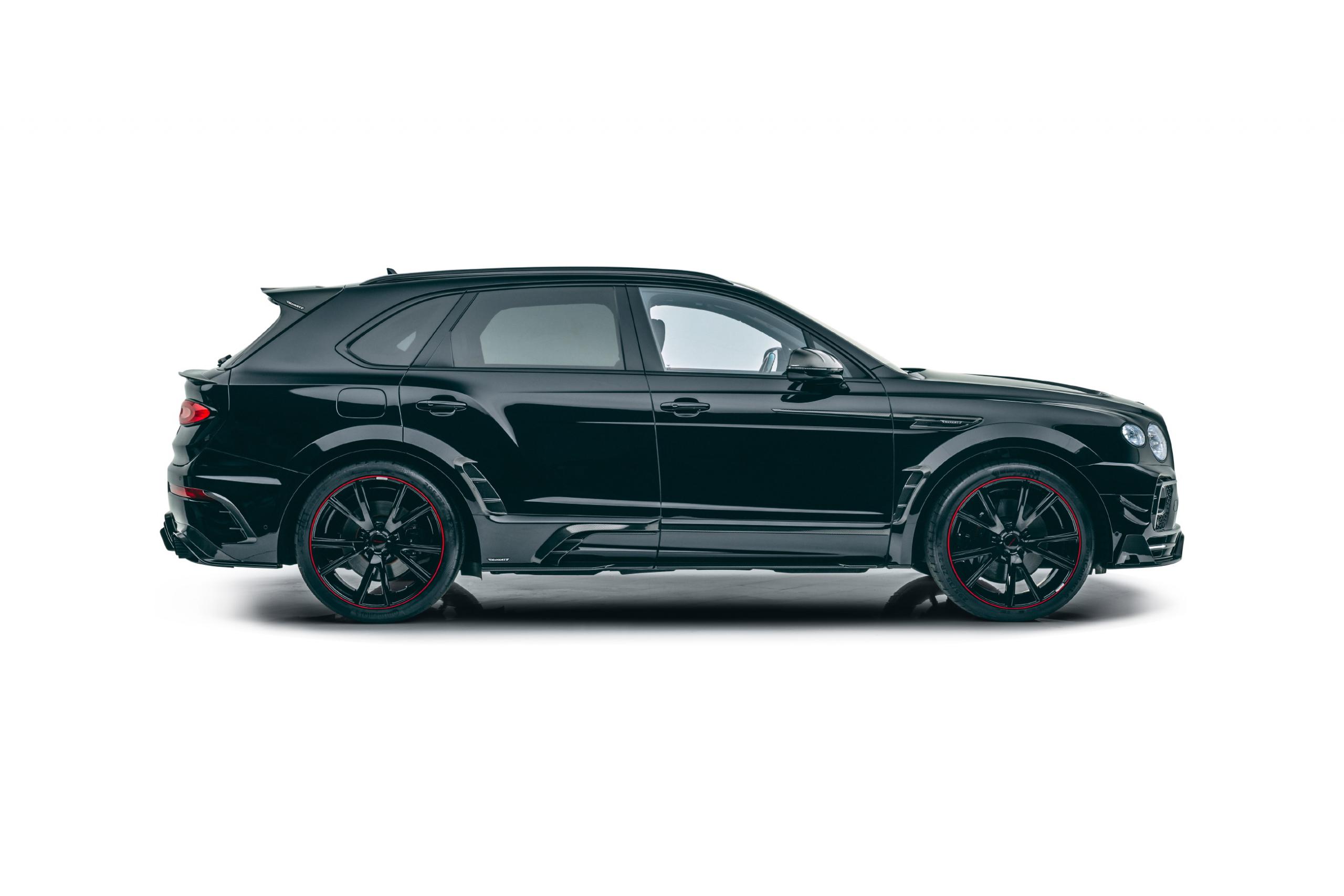
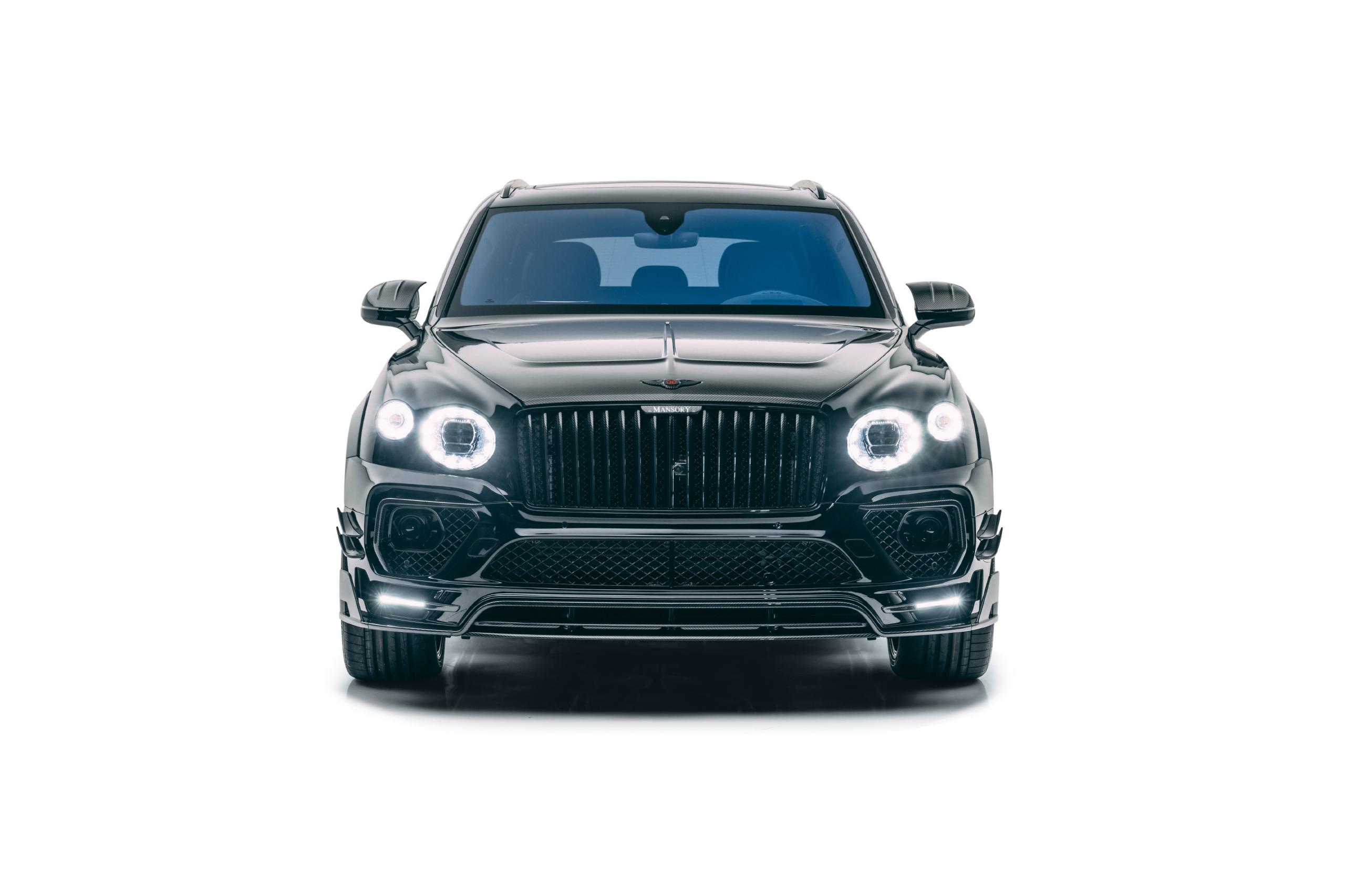
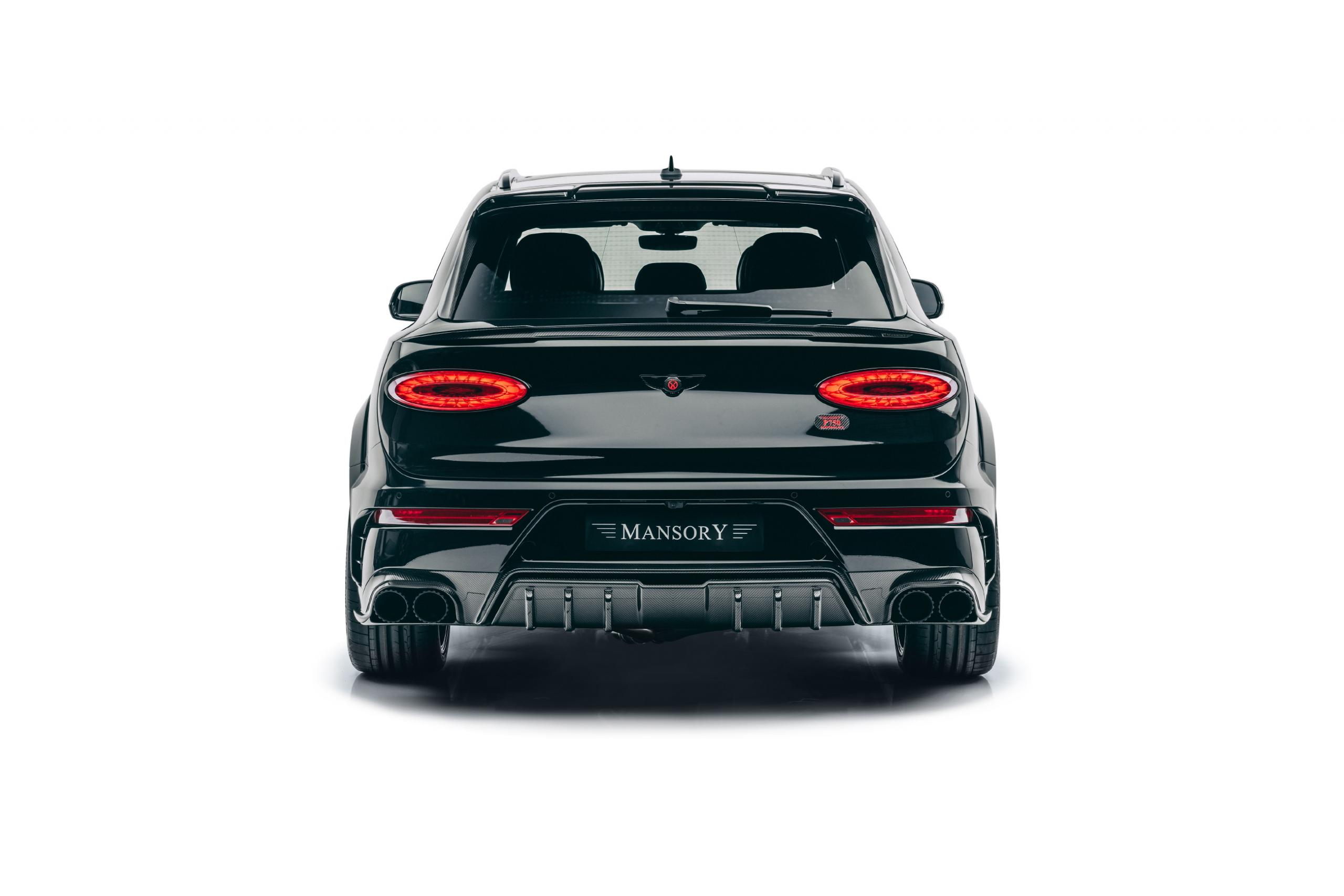
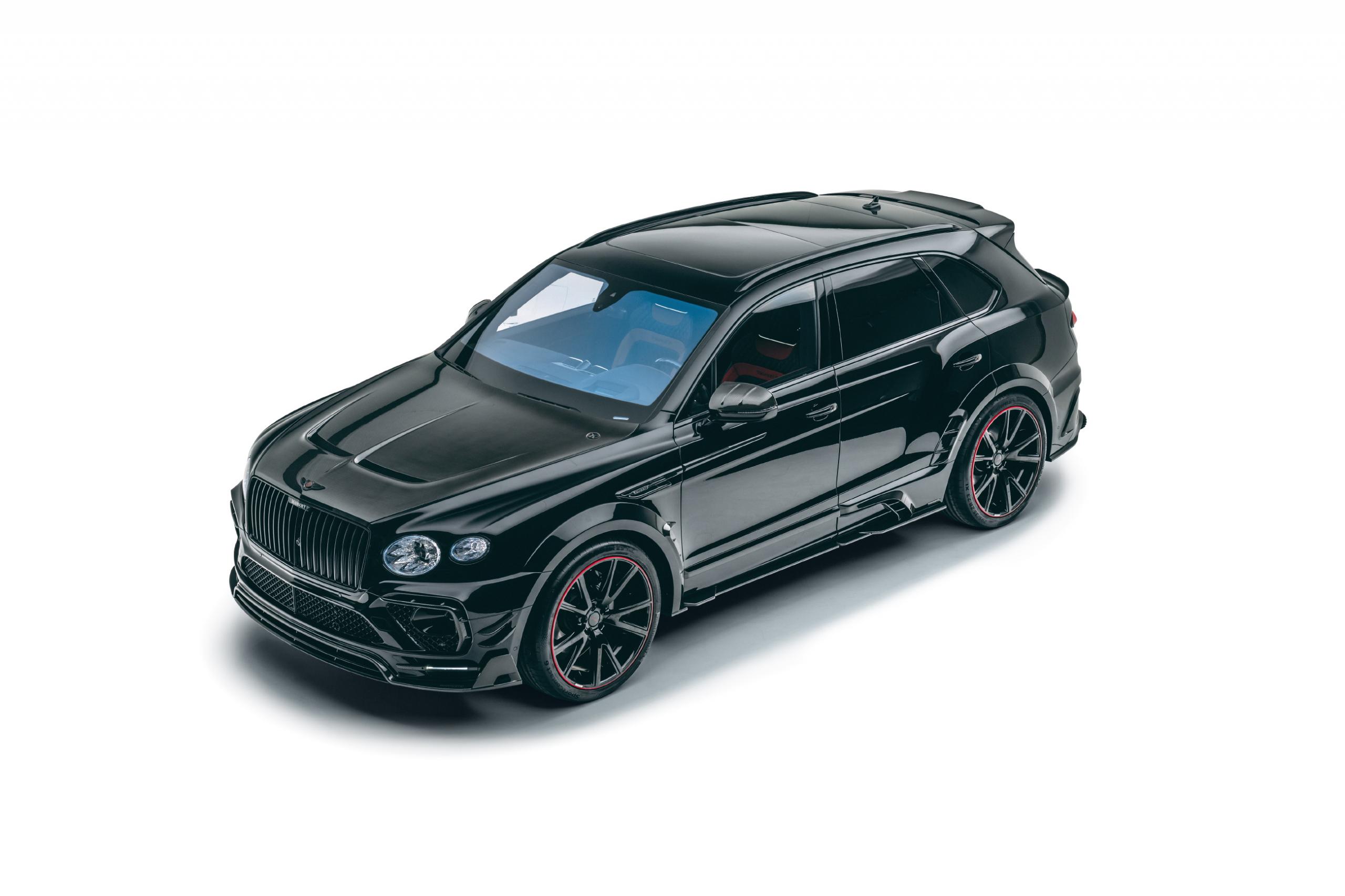
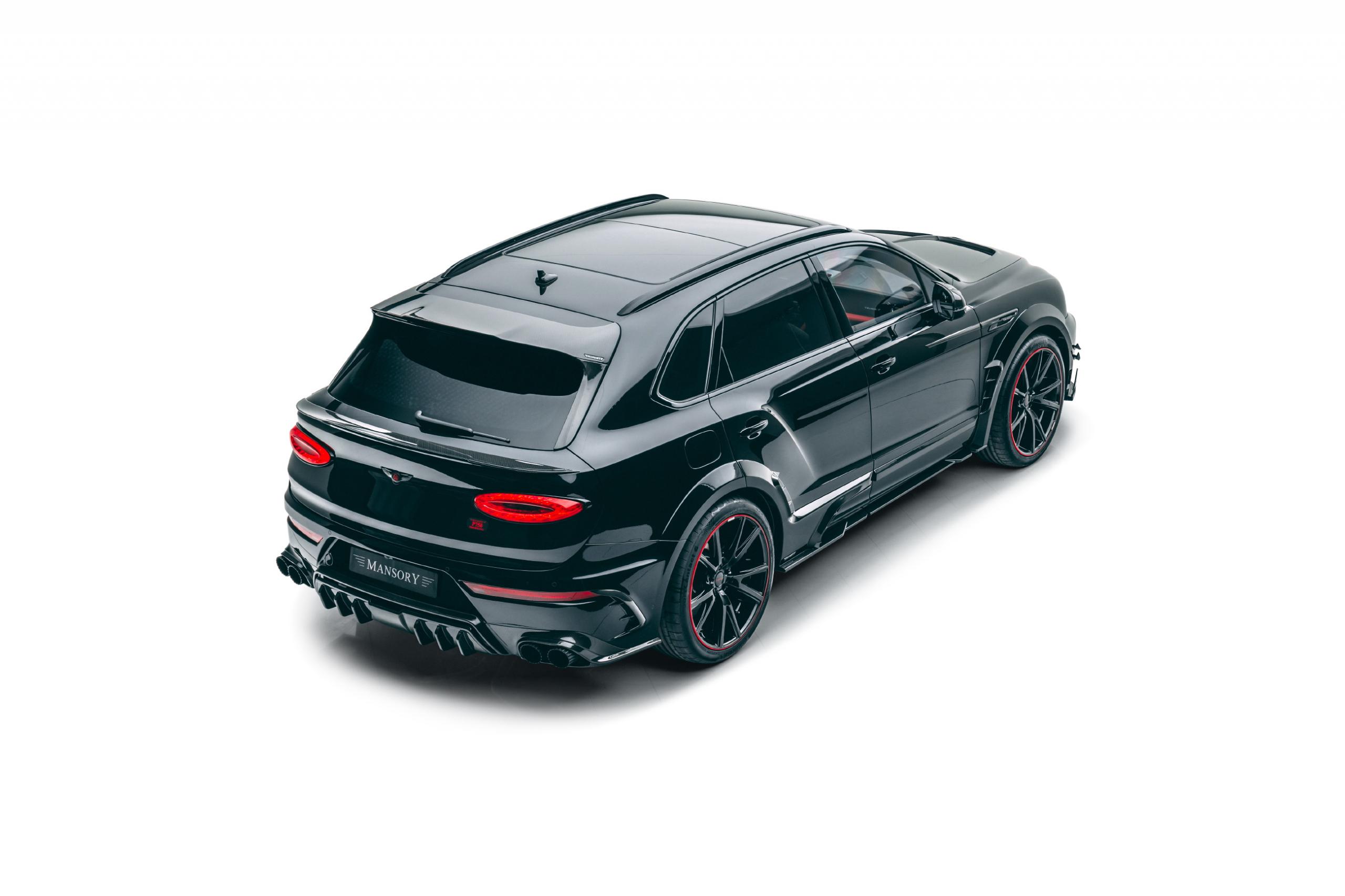
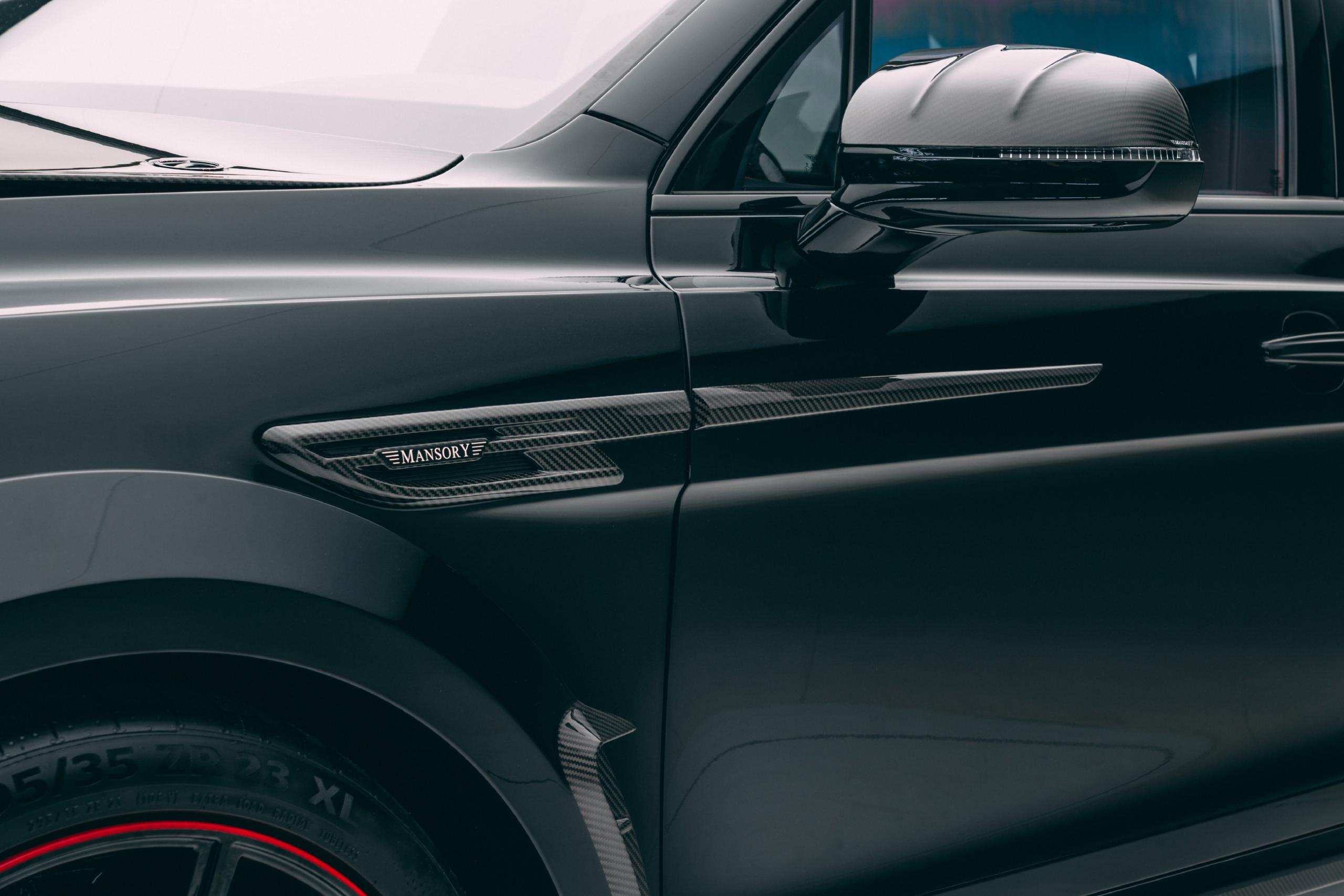
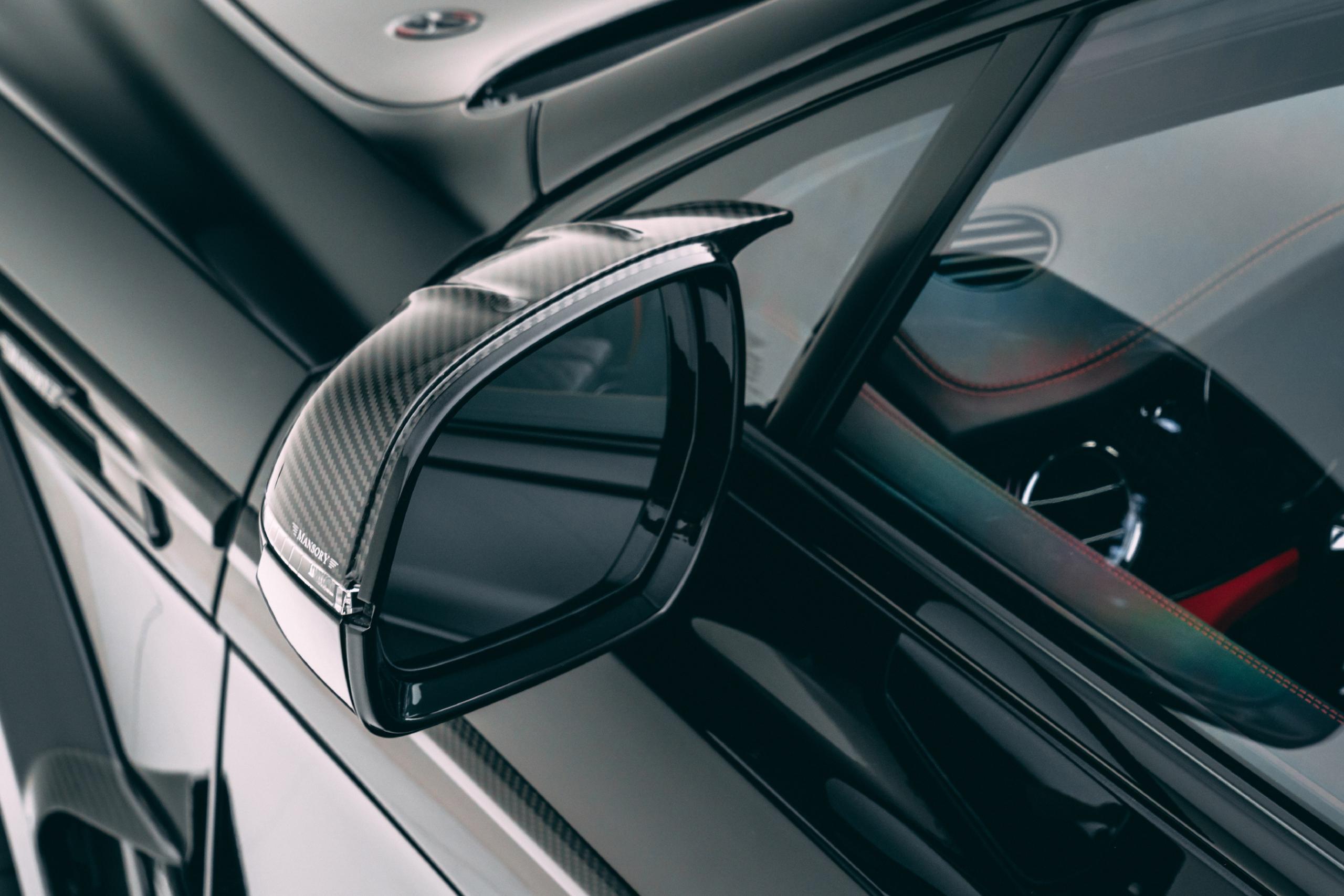
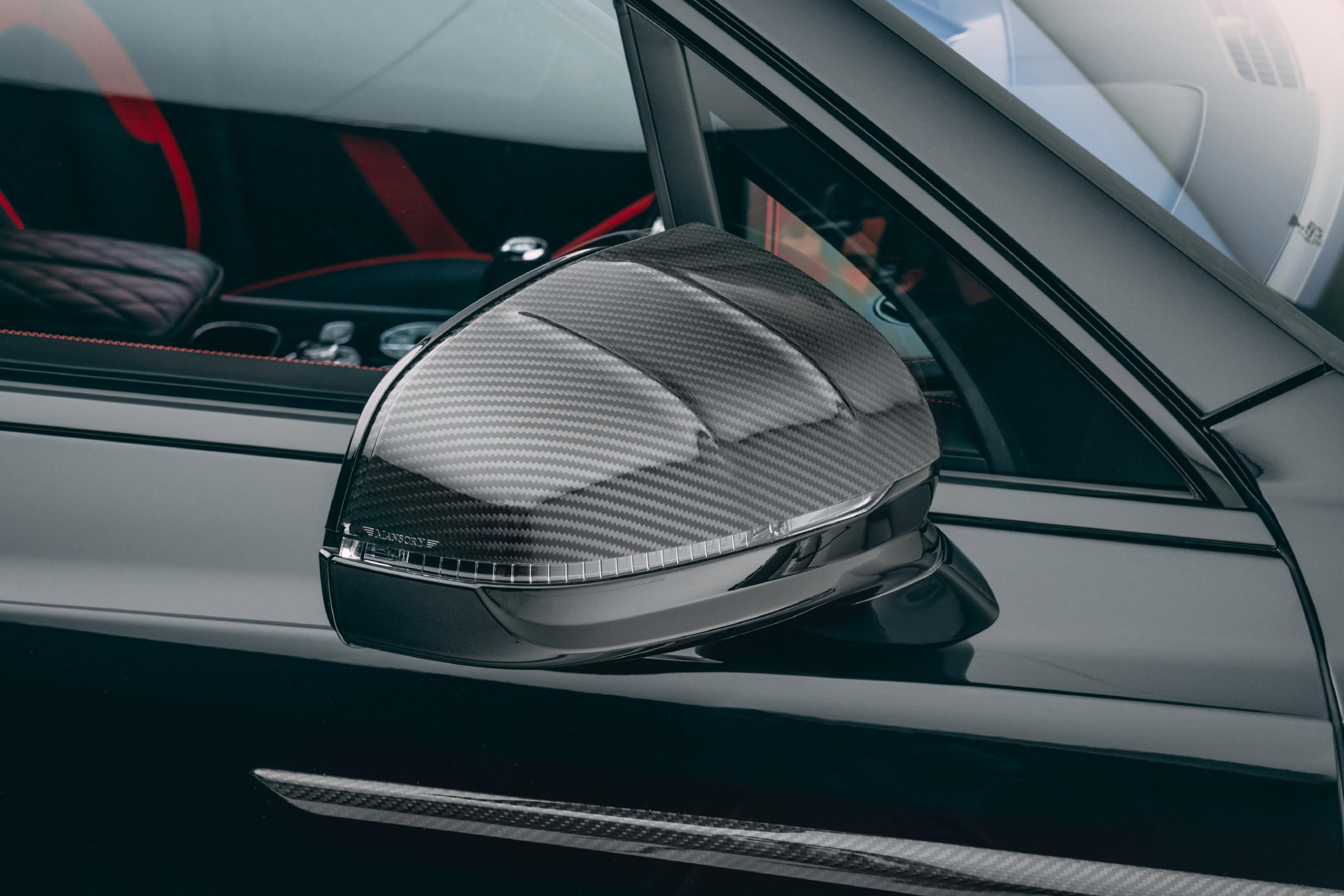
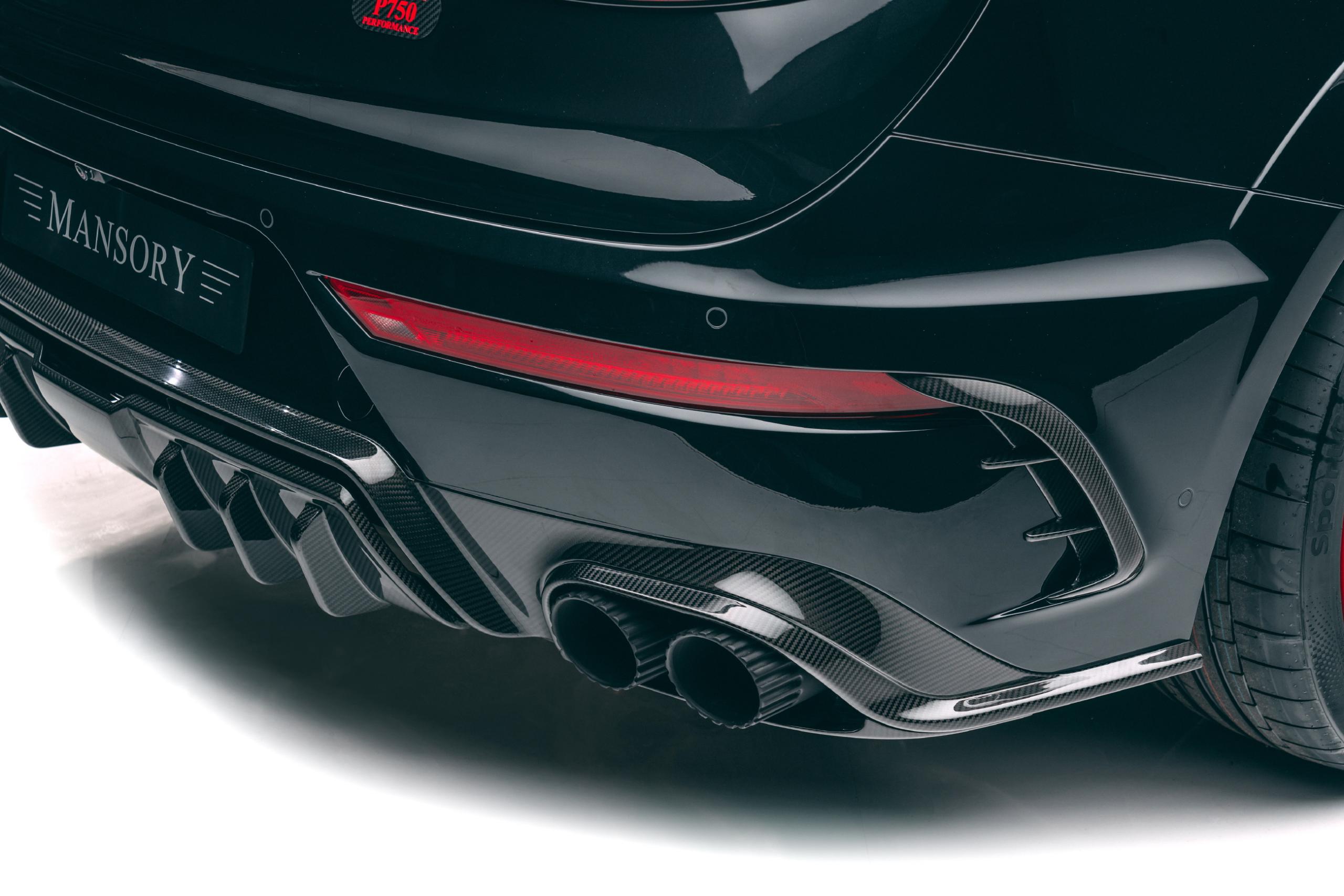
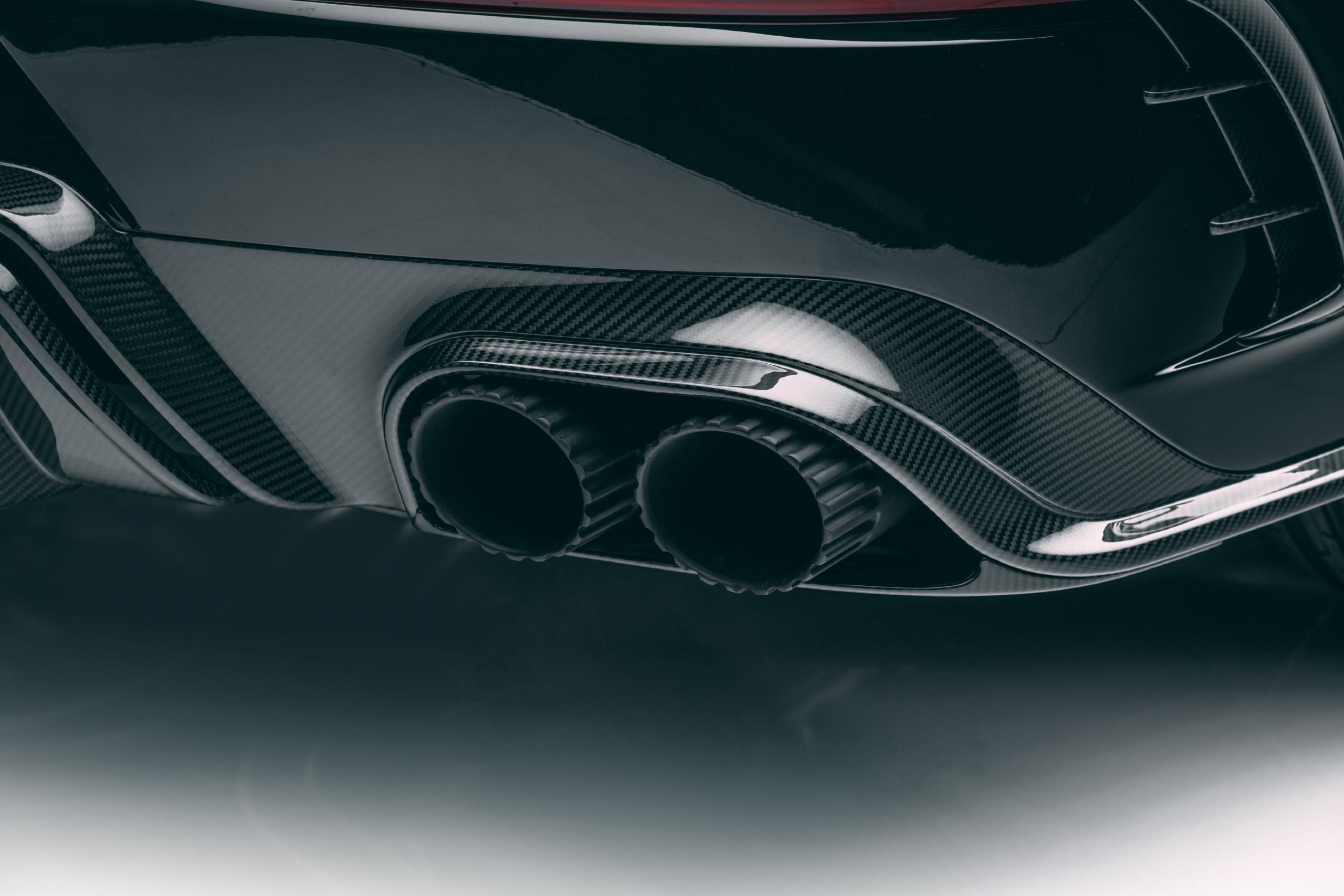
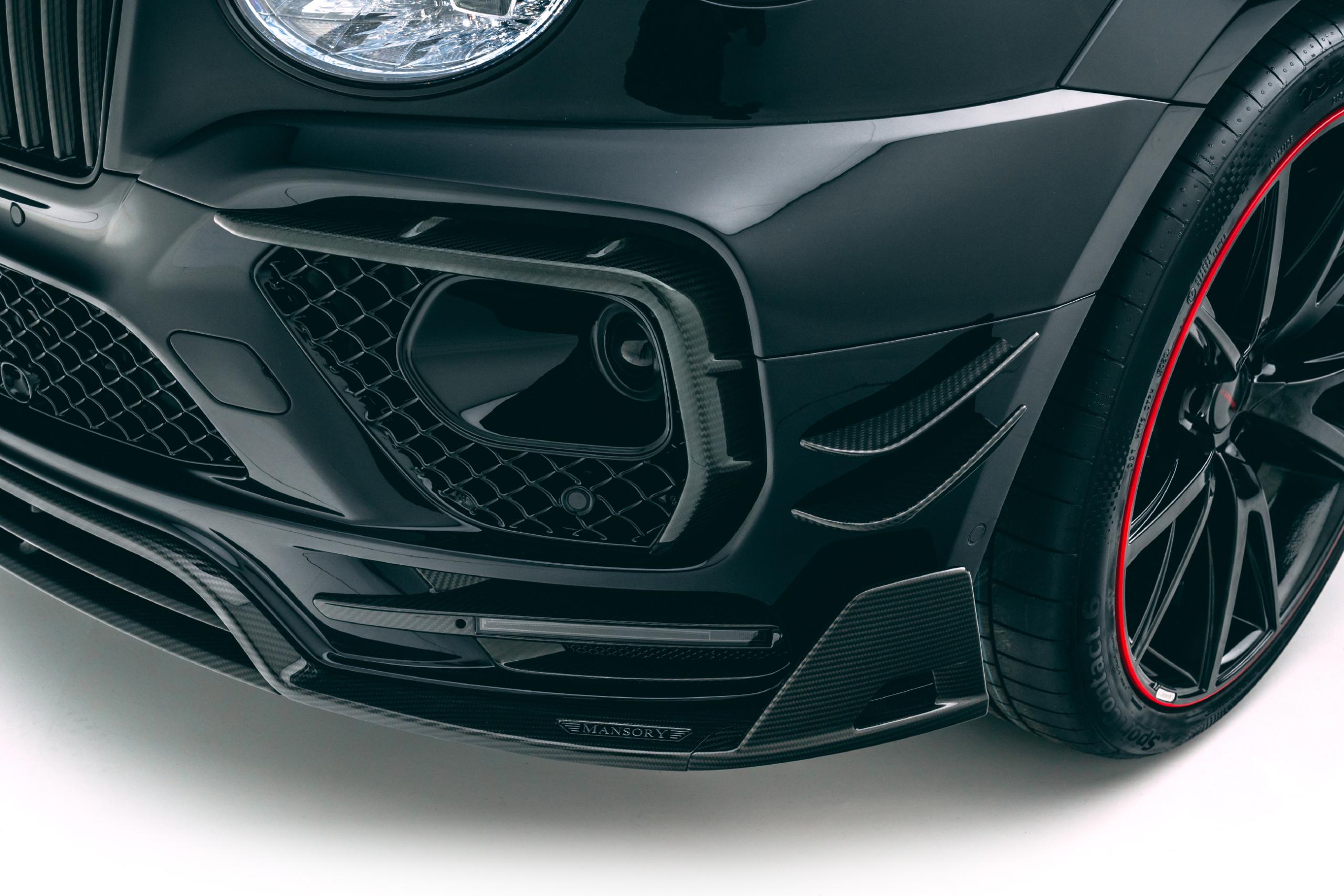
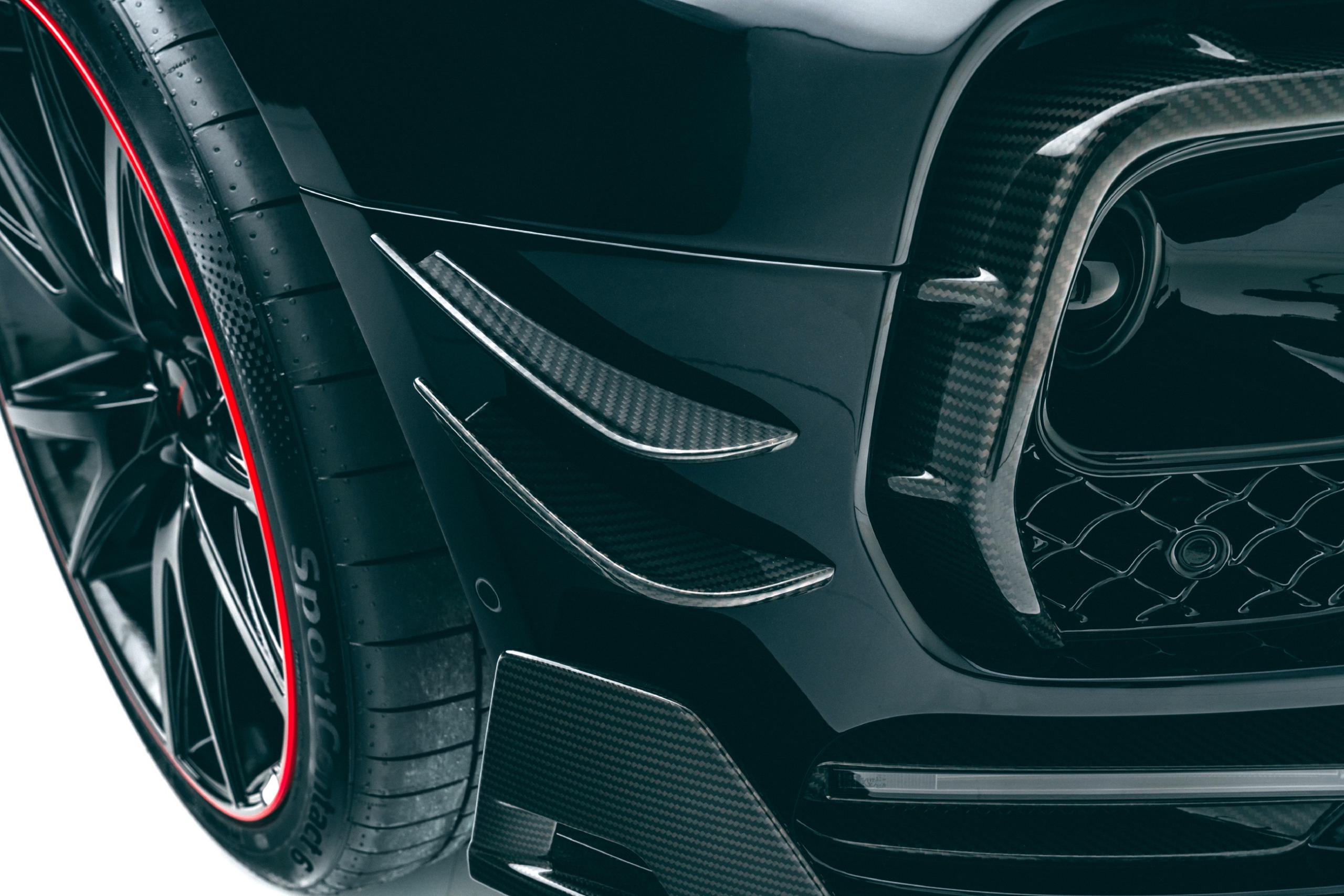
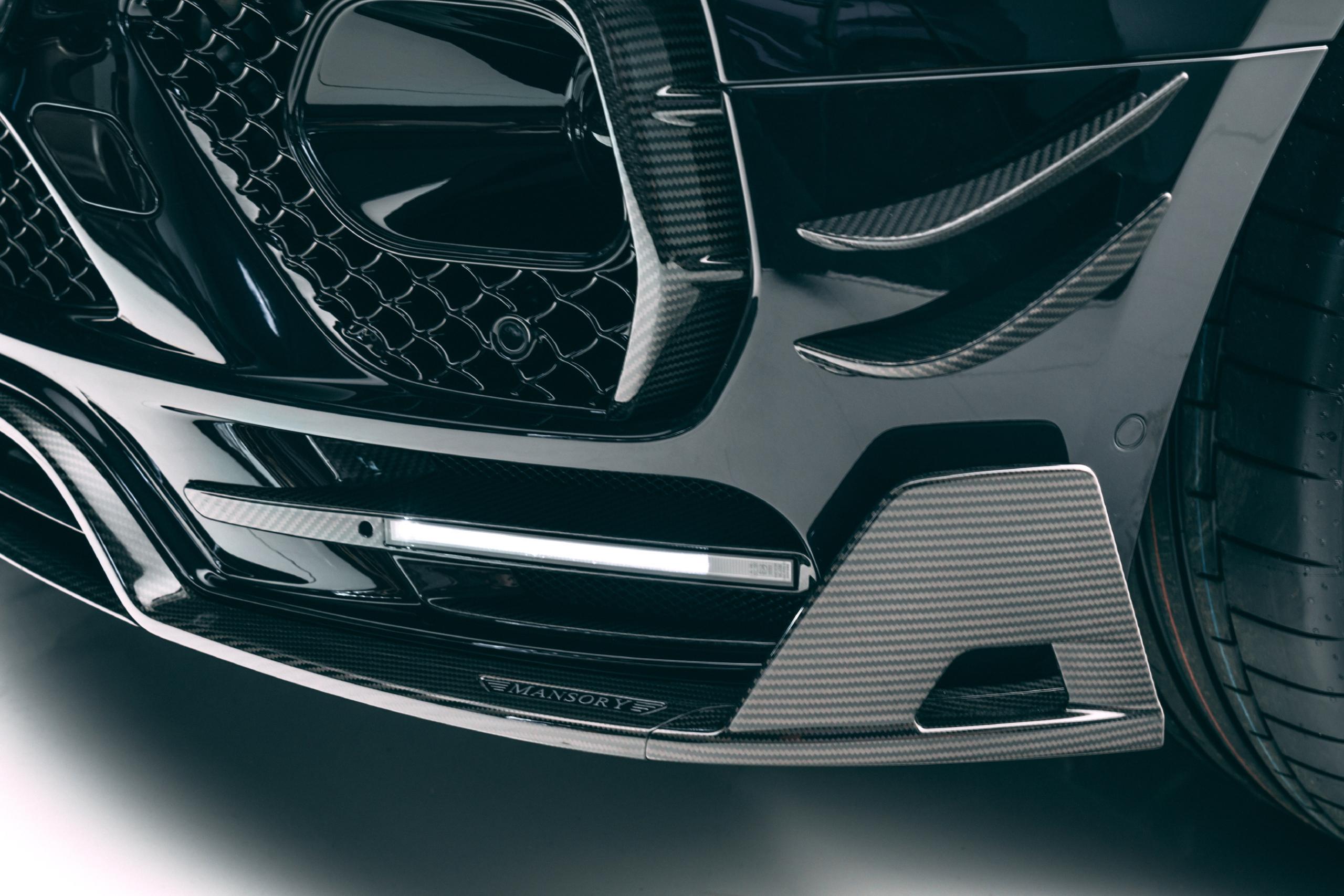
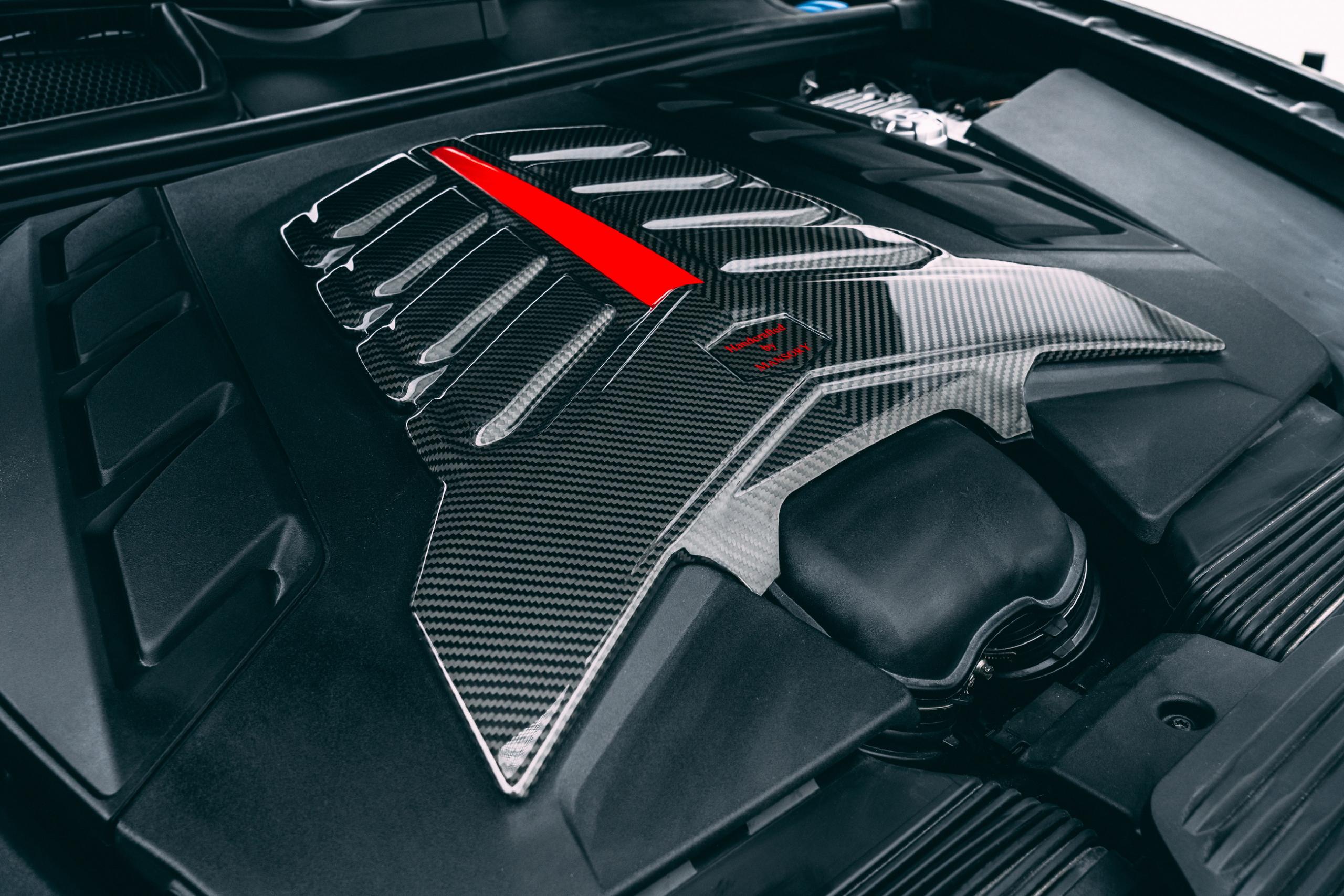
Mansory Carbon Body Kit for Bentley Bentayga V8 2020 facelift


Mansory Bentley Bentayga V8 2020 — a daily-luxury carbon programme for the facelift
This is the Mansory page for the 2020 facelift Bentayga V8 — the MLB-Evo Bentayga on the long-wheelbase platform shared with the Audi Q7, the VW Touareg and the Cayenne, and the first Bentayga with a genuine three-row, seven-seat cabin from the factory. The kit on this page is built for the owner who actually uses that cabin: the school-run, the lake-house Bentayga that wants real Mansory body language without giving up its third row, its panoramic roof or its OEM running-board geometry.
If your priority is a show-car Bentayga — wider track, venom-fang nose, full Inferno fascia — you want the separate first-generation widebody (Inferno programme) or the pre-facelift widebody. This page is the practical-luxury sibling: a forged-carbon panel set that rewrites the facelift exterior without rewriting the way the car gets used on a Tuesday morning. For the twelve-cylinder facelift car, see the Bentayga W12 2020 kit.
Why the V8 facelift gets a different Mansory programme
The 2020 facelift redrew the Bentayga front fascia, reprofiled the headlights, recut the lower bumper apertures, redesigned the tailgate, and finally introduced the seven-seat option that buyers had been asking Crewe for since 2016. The twin-turbo 4.0-litre V8 also became the volume car: lighter on the front axle than the W12, easier to certify outside Europe, and overwhelmingly the trim families pick when they want a Bentayga that doubles as a school-run SUV. Mansory treats this car as its own programme. The panel set is engineered against the V8 fascia, the V8 cooling-pack apertures and the V8 sensor map; it does not assume W12 width or W12 grille shape.
The point of the programme is restraint. The Bentayga keeps its OEM running-board mounting points; the rocker extension flows around the deployable step rather than blocking it, so a child climbing into row two does not have to clear an extra carbon lip. The forged-carbon front bumper fits inside the original tow-eye and washer-jet positions. The rear diffuser sits below the OEM tow-cover, so a roof-box-and-trailer Bentayga is still a roof-box-and-trailer Bentayga.
Bentayga V8 2020 kit components, materials and running-board interaction
The table maps every panel in the standard programme — what it is made of, how much weight it adds or removes versus the OEM piece, and how it interacts with the deployable running-board, the panoramic-roof drainage path and the OEM tow points.
| Panel | Material | Weight delta vs OEM | Running-board / OEM-feature interaction |
|---|---|---|---|
| Front bumper (forged carbon) | Forged composite, painted clear | -3.4 kg | Retains OEM tow-eye cover and washer jets; sensor map unchanged |
| Front fender flares (pair) | Forged composite, body-colour or carbon | +1.1 kg/side | No interference with front-door swing or deployable step front edge |
| Rocker / sill extensions (pair) | Forged composite | +0.9 kg/side | Cut around OEM running-board mounting; step deploys at original travel |
| Rear fender flares (pair) | Forged composite | +1.1 kg/side | Clears rear-door swing on full-stop; ISOFIX path unaffected |
| Rear bumper with diffuser | Forged composite | -2.6 kg | Sits below OEM tow-cover and parking-sensor array |
| Bonnet with twin air outlets | Forged composite over aluminium frame | -4.2 kg | Retains pedestrian-impact spring path on EU spec |
| Roof spoiler | Forged composite | +0.5 kg | Clears panoramic-roof rear glass and high-mount brake light |
| Mirror caps (pair) | Forged composite | -0.3 kg/pair | Retains heated/folding/blind-spot module functions |
Net unsprung-mass change across the standard kit is roughly neutral once the painted carbon weight is added back; the bonnet and rear bumper are where the real mass comes off the car. An optional carbon roof skin and tailgate panel save a further ~6 kg, but those are commission-only.
What the kit deliberately leaves alone — passenger-car features it preserves
The Bentayga V8 2020 is, for most owners, a family Bentley. The Mansory programme is engineered to leave passenger-car features intact. None of the panels in the standard kit interfere with the items below.
- Third-row seven-seat layout, including the powered fold and the rear quarter-panel access
- Panoramic glass roof and its perimeter drainage path (the roof spoiler clears the rear glass aperture)
- Deployable running-boards, which retain their original deploy-and-retract travel
- Rear ISOFIX child-seat anchors on row two, and the corresponding belt routing
- Mulliner-spec rear refrigerator (Linley unit, where fitted) and the centre-console cool-box
- Bentley Diamond In Diamond quilted upholstery and rear-seat ventilation outlets
- Tow package — receiver, electrics and the OEM tow-cover behind the diffuser
- Naim / B&O sound systems and their amplifier-cooling vents in the boot trim
MLB Evo platform DNA and what it means for fitment
The 2020 facelift Bentayga sits on the same MLB Evo architecture as the second-generation Audi Q7, the third-generation VW Touareg and the third-generation Porsche Cayenne. Mansory engineers panels around Bentley-specific body sections — door skins, fender geometry, rocker line — but the underlying hardpoints (suspension towers, sub-frame mounts, sensor positioning) are shared across the platform. A Mansory-trained installer who has already fitted Q7 or Cayenne work will recognise the underbody mounting language. OEM accessories that follow MLB Evo conventions — roof bars, towing electrics, third-row connectors — sit exactly where the factory put them after the kit is bonded on.
Inferno-relative — when this is the wrong kit and you want the widebody
Mansory builds two distinct Bentayga programmes and they are not interchangeable. The Inferno (and the pre-facelift widebody) is a track-width conversion: extended fender flares, a larger wheel-and-tyre package, a venom-fang fascia and a rear diffuser that sits proud of the bumper — visually closer to a competition SUV than to a Bentley. The kit on this page is the panel-set programme: track width is unchanged, the running-boards still deploy at OEM travel, the OEM wheel-arch liners are reused. Third-row daily owners pick this page; buyers who want a Mansory-first kerb statement pick the Inferno programme.
Forged wheels and ride-height behaviour on the family-spec car
This kit is wheel-package agnostic. The factory Bentayga V8 2020 ships with 21" or 22" forged alloys; we deliver Mansory-forged 22" or 23" sets to match (see the Mansory forged catalogue) but never as a mandatory bundle. Owners who use the third row daily tend to stay on 22" with a deeper tyre sidewall and the OEM air-suspension comfort map; weekend-Bentayga owners step up to 23" with the slightly firmer Mansory map. The kit does not require lowering — the front splitter sits above the OEM lift-mode floor and the diffuser clears the OEM rear approach angle, so air-suspension comfort and lift modes work unchanged.
Lead times and slot availability for a 2026 Bentayga V8 commission
Build of the carbon panel set in Germany is currently 6–8 working weeks from order confirmation. Installation is 4–6 working days at a Mansory-certified body shop with the Bentayga in residence, plus paint and clear-coat cure if the panels are colour-matched. We hold slots in the United Kingdom, the UAE, Hong Kong and Monaco that we can release at order time; for other markets we ship the panel set with a Mansory installation drawing and a torque-and-bonding spec, and your local body shop fits to the same standard. To open a build, send a short brief on what the car is being used for (third-row daily, weekend SUV, GT replacement) and your delivery address to [email protected], or message the build desk on +44 7488 818747 for a same-day quote.
Bentayga V8 2020 — where the family-spec build actually lands
Order traffic on this kit looks different from the show-car Bentayga programmes. Most buyers are repeat Bentley owners with a daily Bentayga and a second car for the weekend. The two largest clusters sit in the United Arab Emirates and Saudi Arabia, where families running a Bentayga as the household SUV configure the kit with Mansory-forged 22" wheels on the OEM comfort map. The third major cluster is the United Kingdom, split between London commissions and country-house owners who use the third row for school runs. Monaco is small but consistent year-on-year, with builds favouring body-colour rocker extensions over raw forged-carbon. A more complete map of routes sits below.
Active markets for the Mansory Bentley Bentayga 2020 kit
Demand for this Bentley Bentayga 2020 kit is unevenly distributed — but the pattern is consistent year-on-year. Nordic demand routes through Norway, where buyers favour winter-tyre-compatible offsets bundled with the kit. world/blogs/wide-body-kits-and-wheels-worldwide/sweden-body-kits-wheels">Sweden, Norway — favour winter-tyre-compatible wheel offsets bundled with the kit. Greater China and the Asia-Pacific cluster — Hong Kong, Singapore — order via specialised RHD/LHD distributors. Western European commissions concentrate in the Netherlands and Luxembourg, with periodic single-build orders out of Switzerland. Shipping is door-to-door with insured transit and HS-coded paperwork tailored to the receiving country.
FAQ — Bentayga V8 2020
Will this kit fit a Bentayga W12 or a Speed?
No. The panel set on this page is engineered specifically against the V8 facelift fascia, V8 cooling apertures and V8 sensor map. The W12 and the Speed share the silhouette but differ in grille shape, lower-bumper aperture and (on the Speed) splitter geometry. For a twelve-cylinder facelift Bentayga, use the matching W12 2020 programme.
Are the deployable running-boards still functional after the kit is fitted?
Yes. The rocker / sill extension is cut around the OEM running-board mounting points and the step deploys at its original travel. We have run this kit on Bentaygas with the standard running-board, the optional Mulliner step and the third-party retrofit step; none required modification.
How does this compare with the Mansory Inferno (or the pre-facelift widebody)?
The Inferno / pre-facelift widebody is a track-width conversion with extended fender flares, a venom-fang front fascia and a wider tyre package — it is the show-car Bentayga. The kit on this page is panel-set only: same track width, OEM running-boards, OEM tow geometry, OEM ride-height behaviour. Buyers who use the third row daily almost always pick this page; buyers who want a Mansory-first statement pick Inferno.
Does the kit affect the third-row seven-seat layout or the panoramic-roof drainage?
No on both counts. The roof spoiler is positioned to clear the panoramic glass aperture and the high-mount brake light; nothing is bonded to the roof skin itself, so the perimeter drainage path is untouched. The third-row fold mechanism, ISOFIX anchors on row two and the rear quarter-panel access stay exactly as Crewe built them.
Open a Bentayga V8 2020 build
Two routes for a same-week response from the Hodoor build desk. Message the build line on Open a Bentayga build for a current slot quote and a 22"/23" wheel recommendation against your tyre season. For a longer brief — third-row use, child-seat layout, paint vs raw forged carbon, towing — write to Email family-spec brief and we will reply with a costed configuration the same business day. Background reading on the Bentayga programme as a whole is on the Mansory Bentley Bentayga blog; broader context lives on the Mansory hub.
Parts