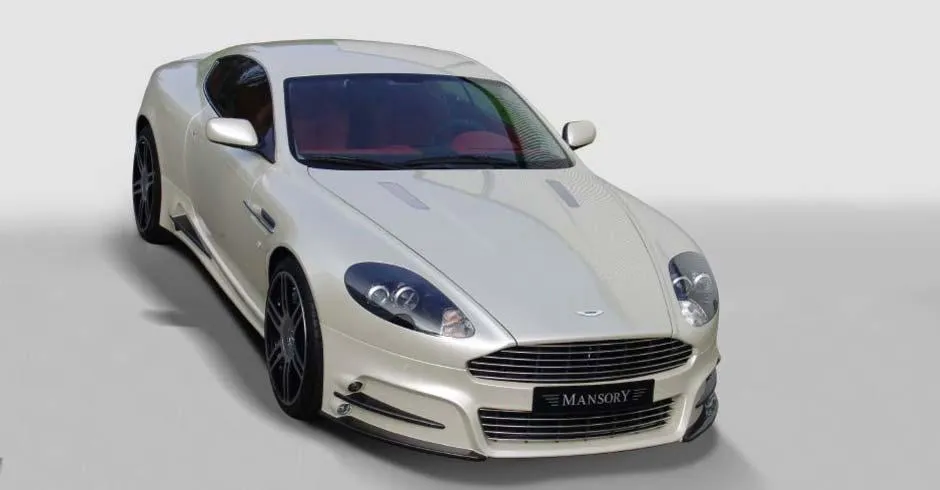
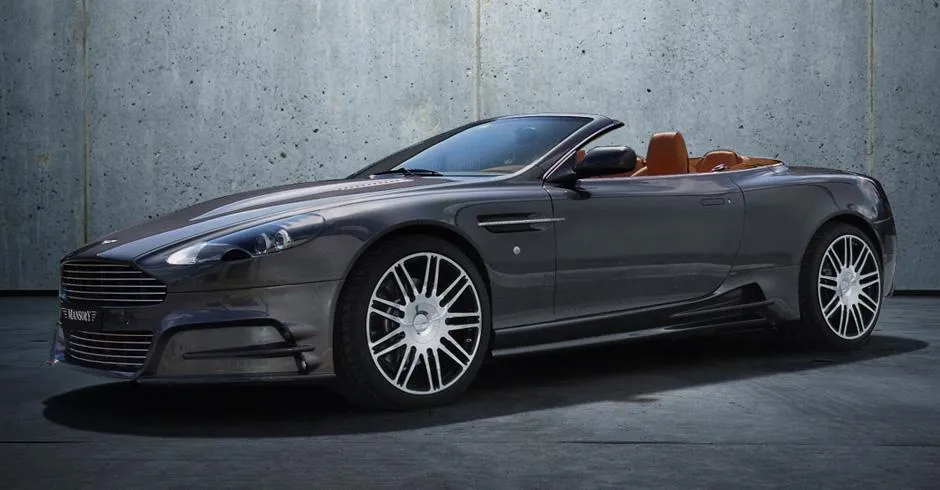
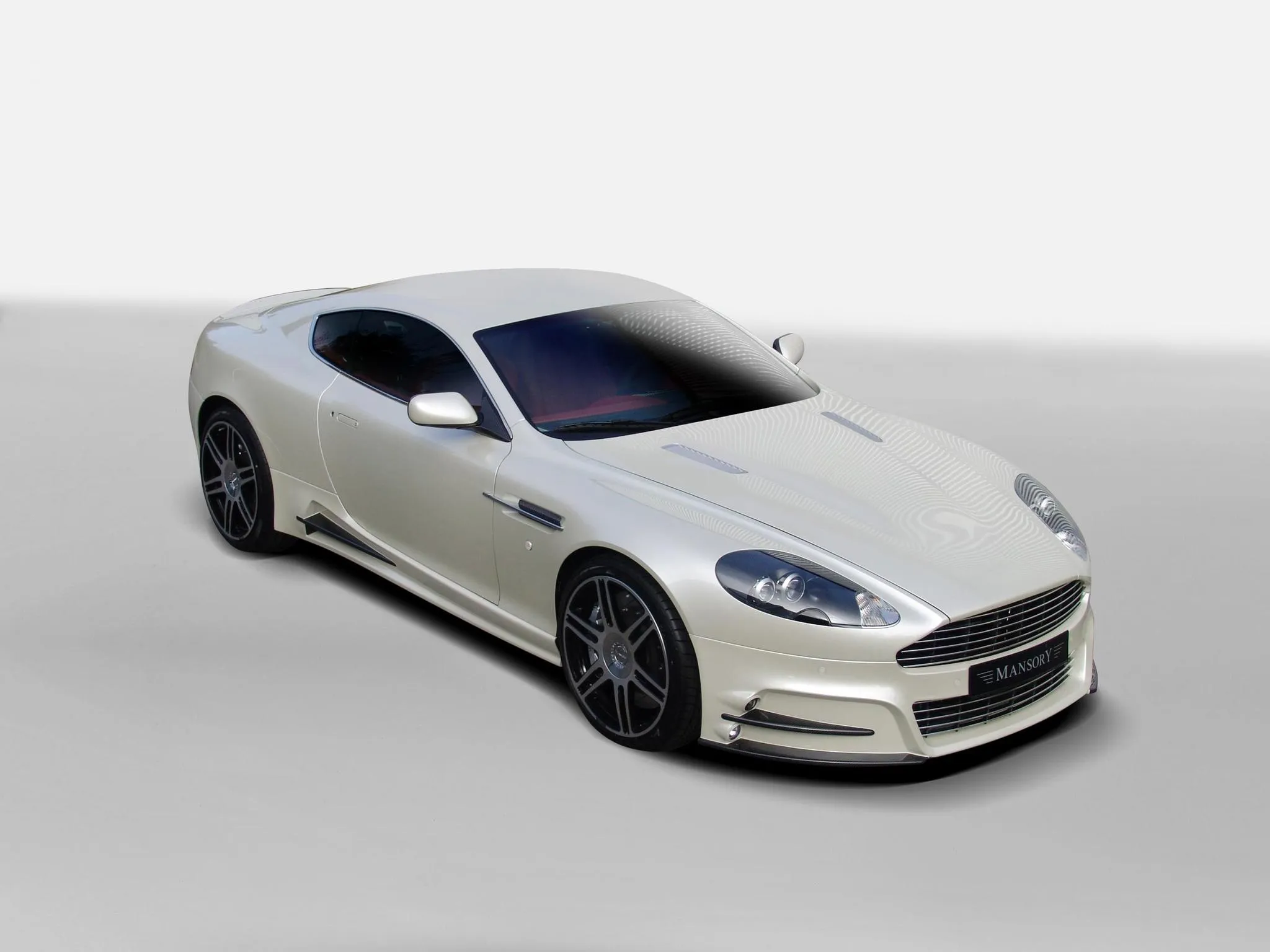
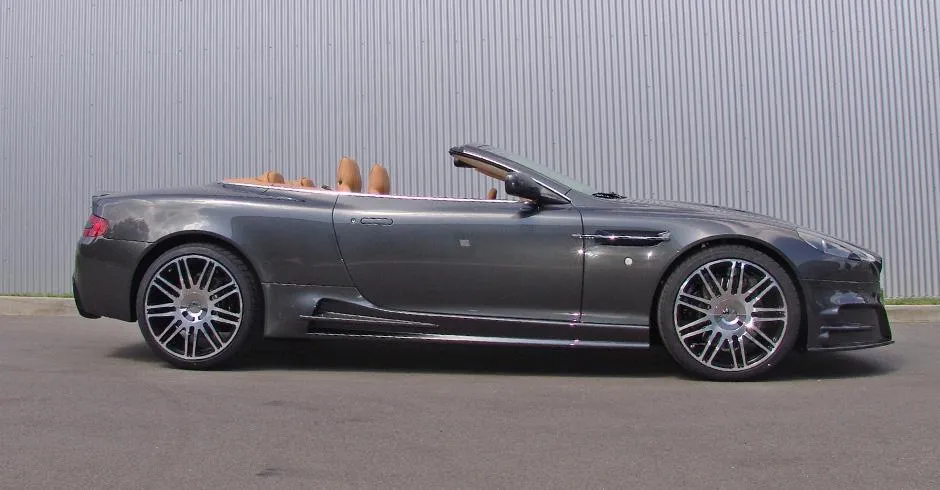
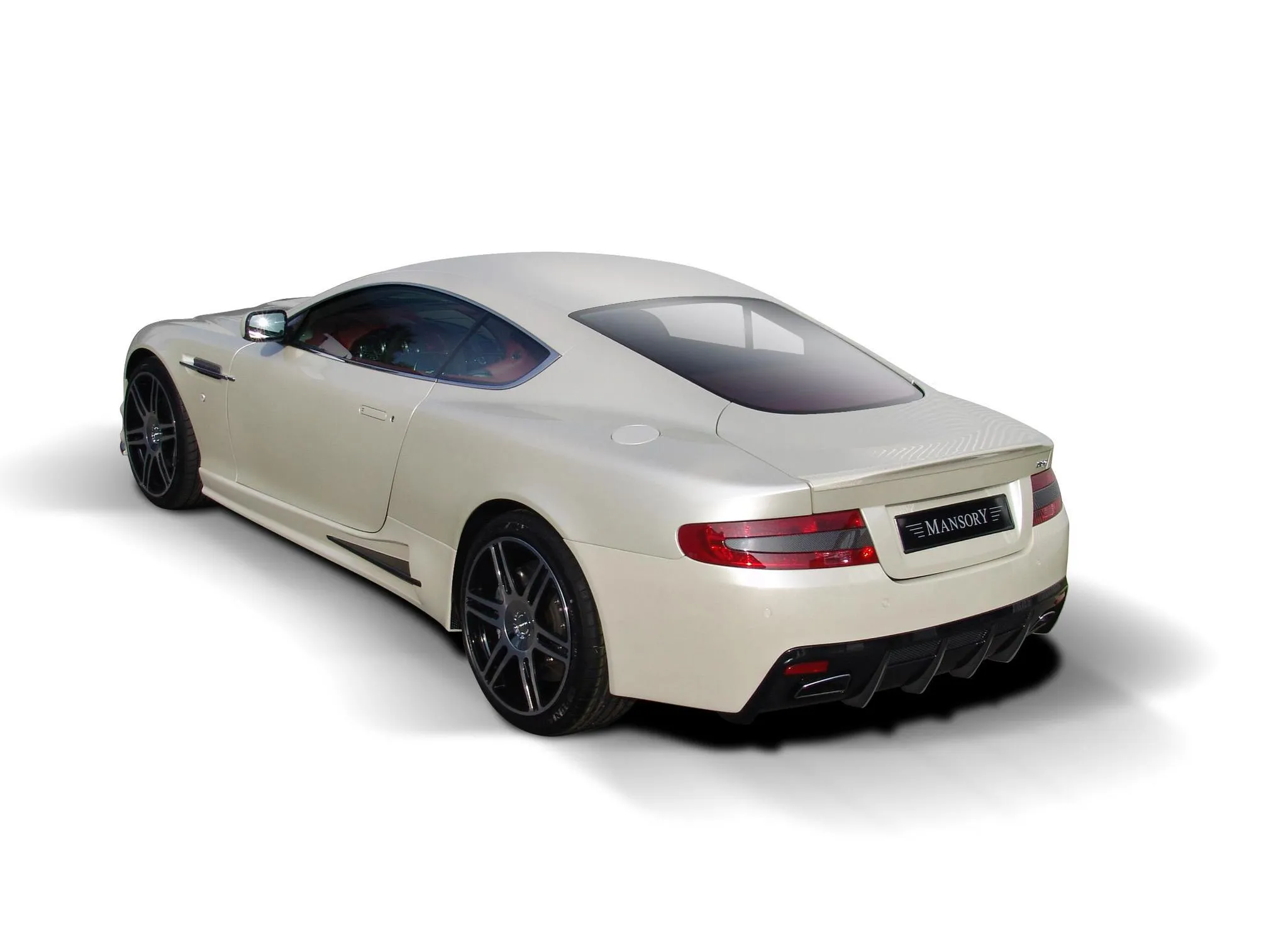
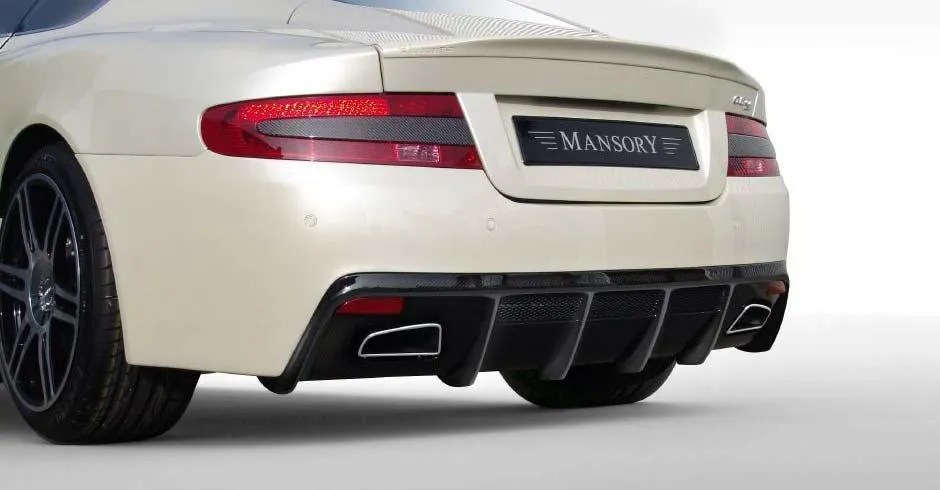
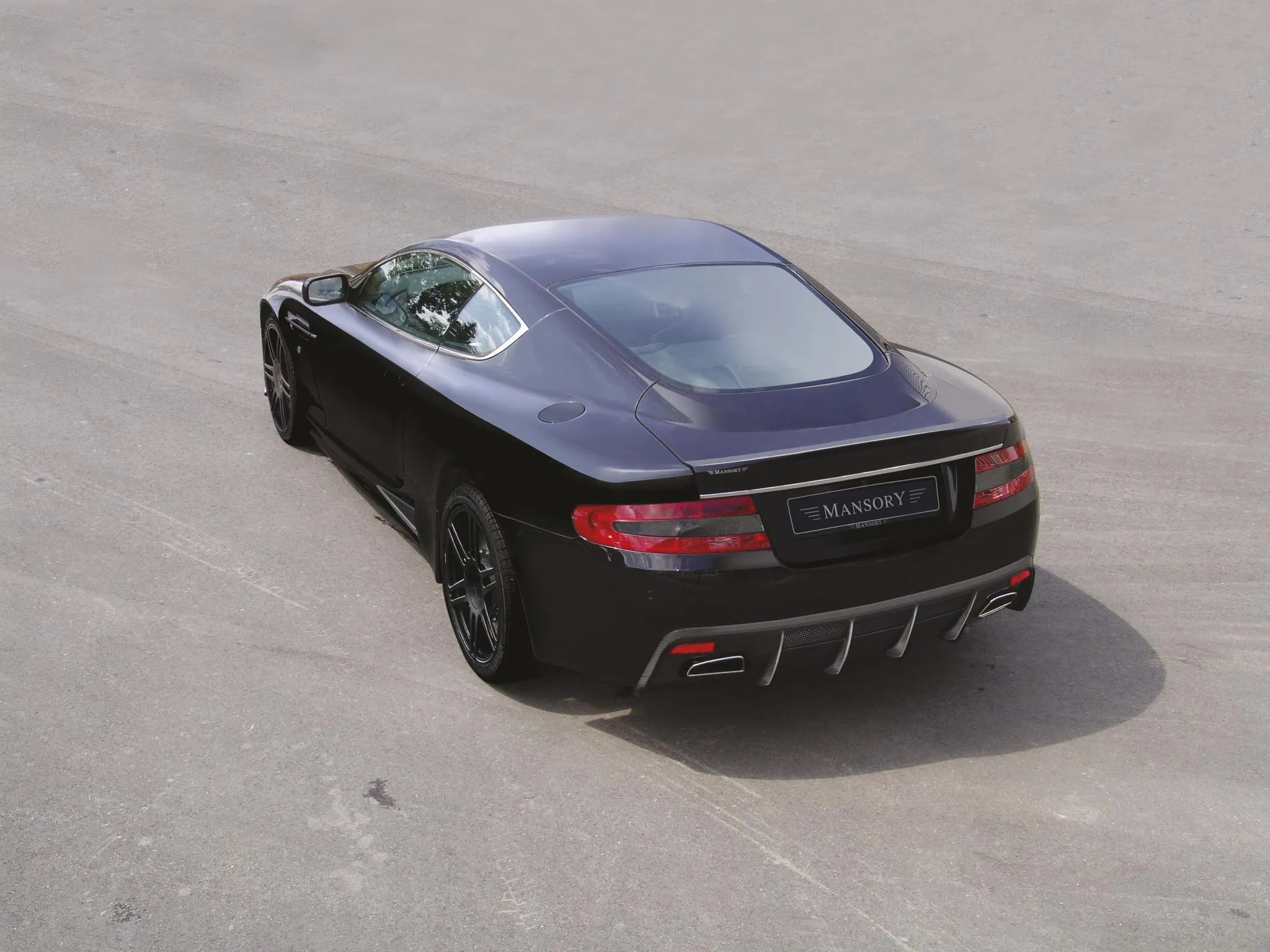
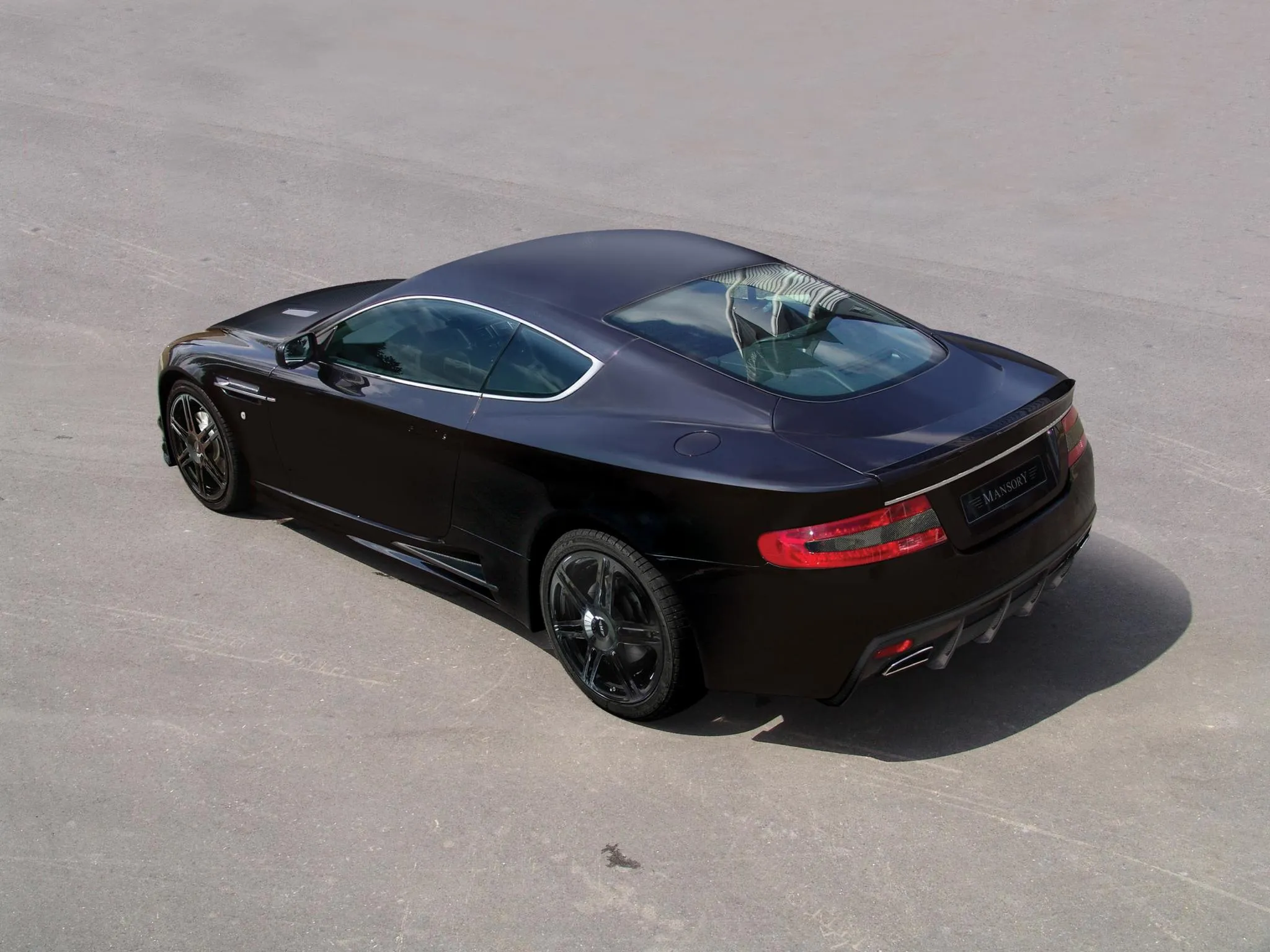
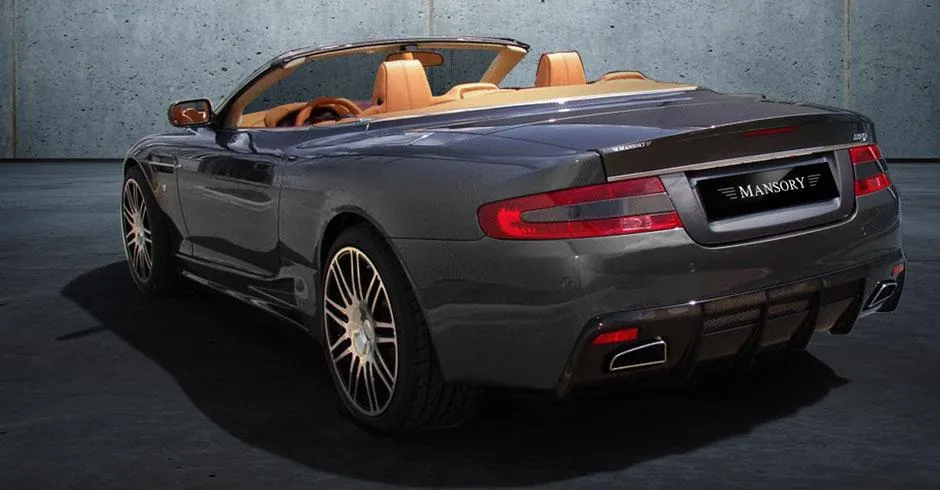
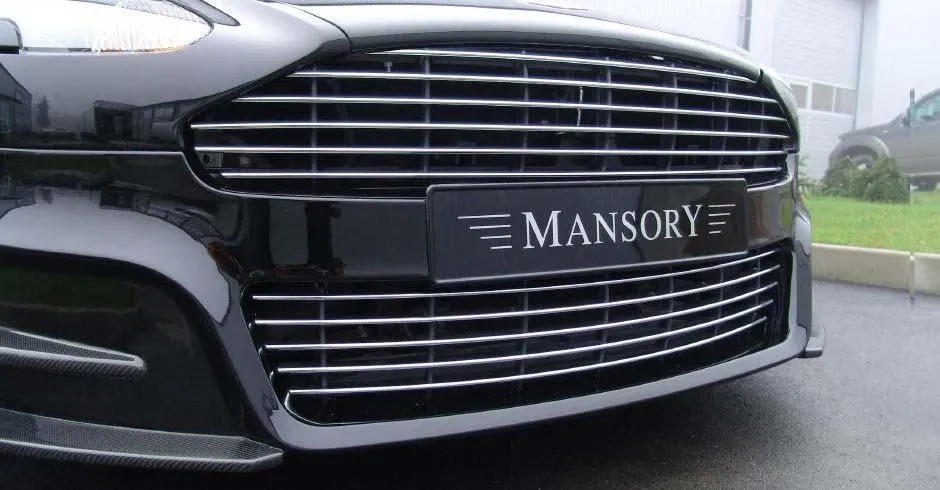
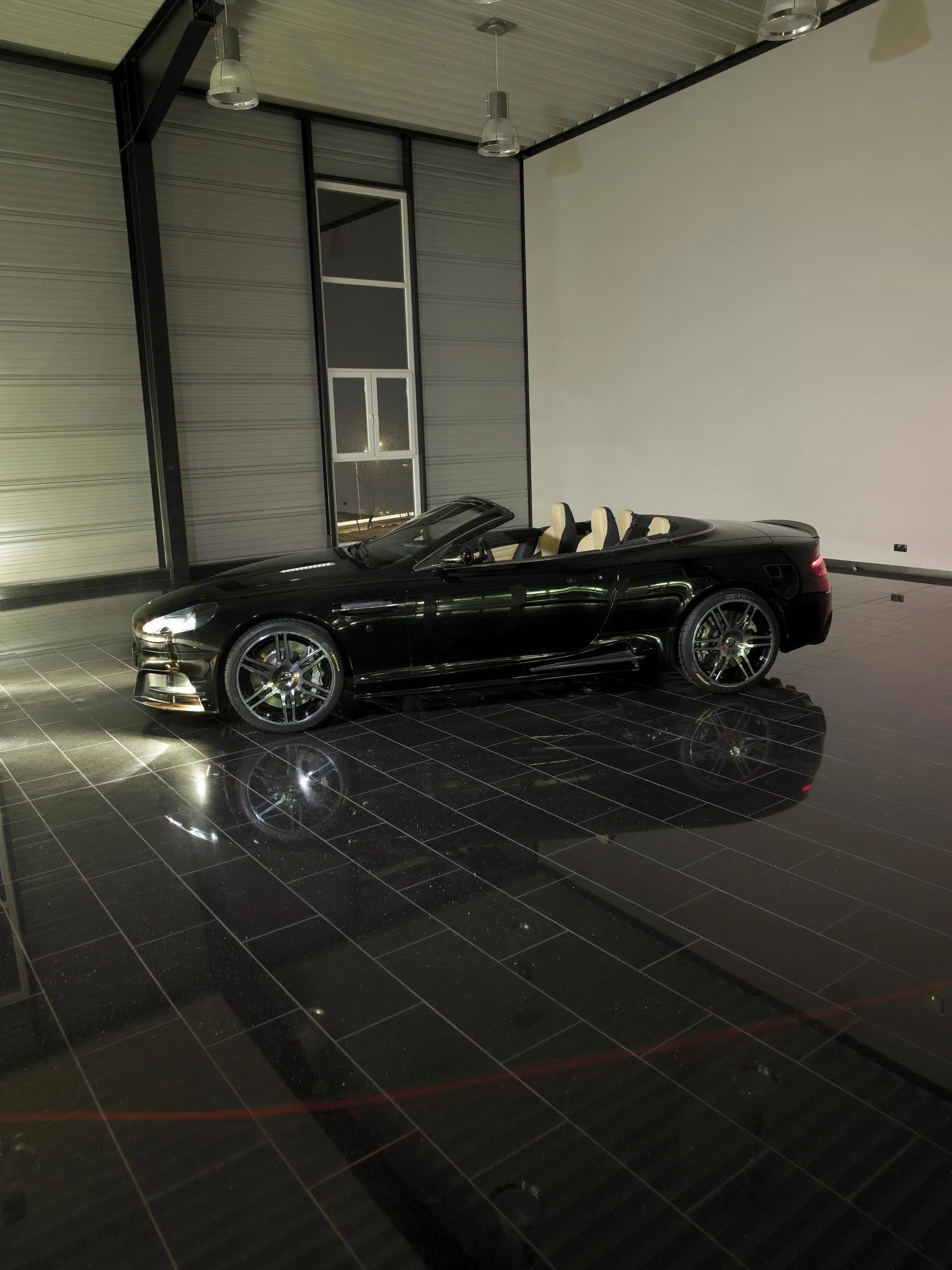
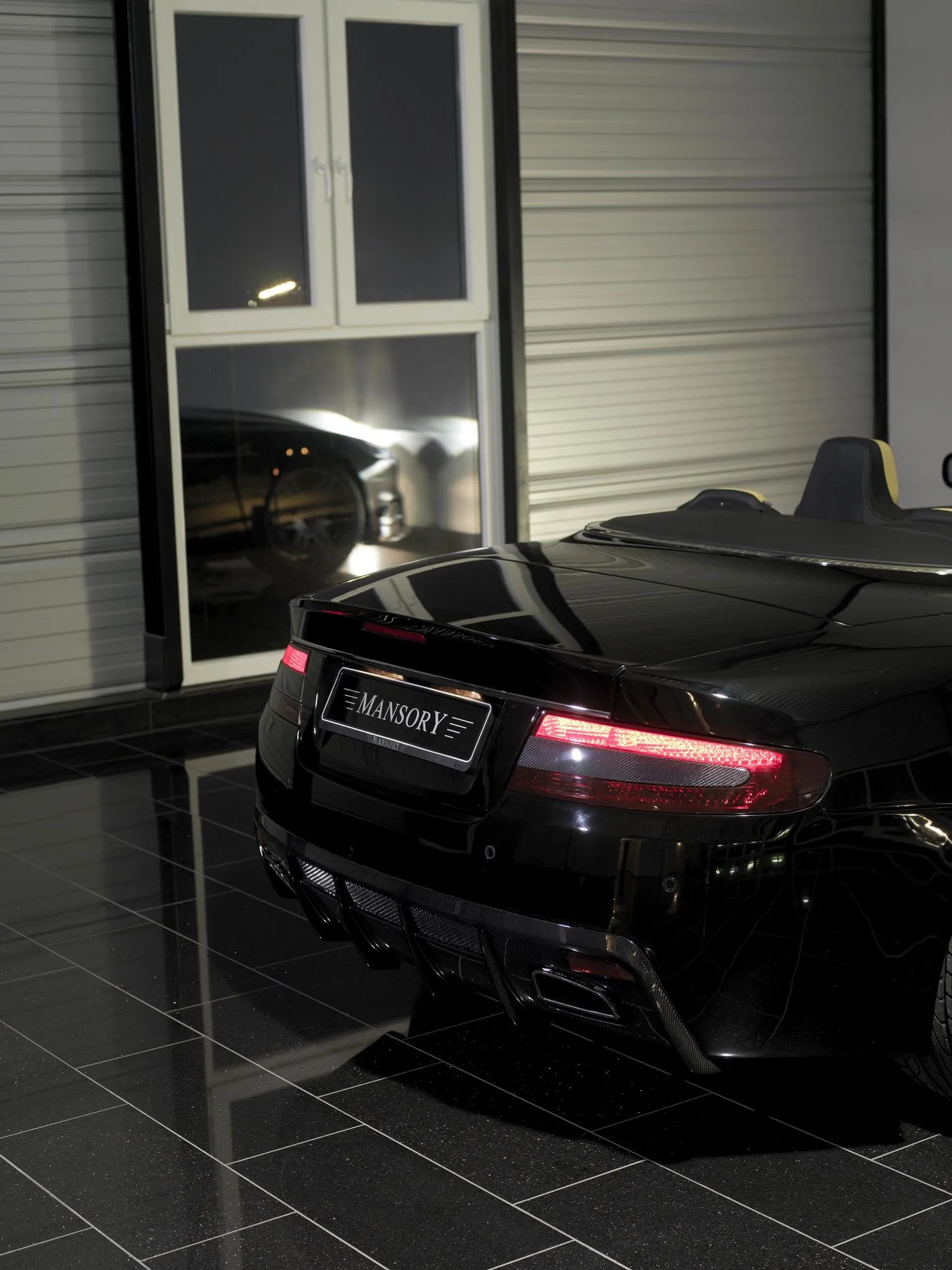
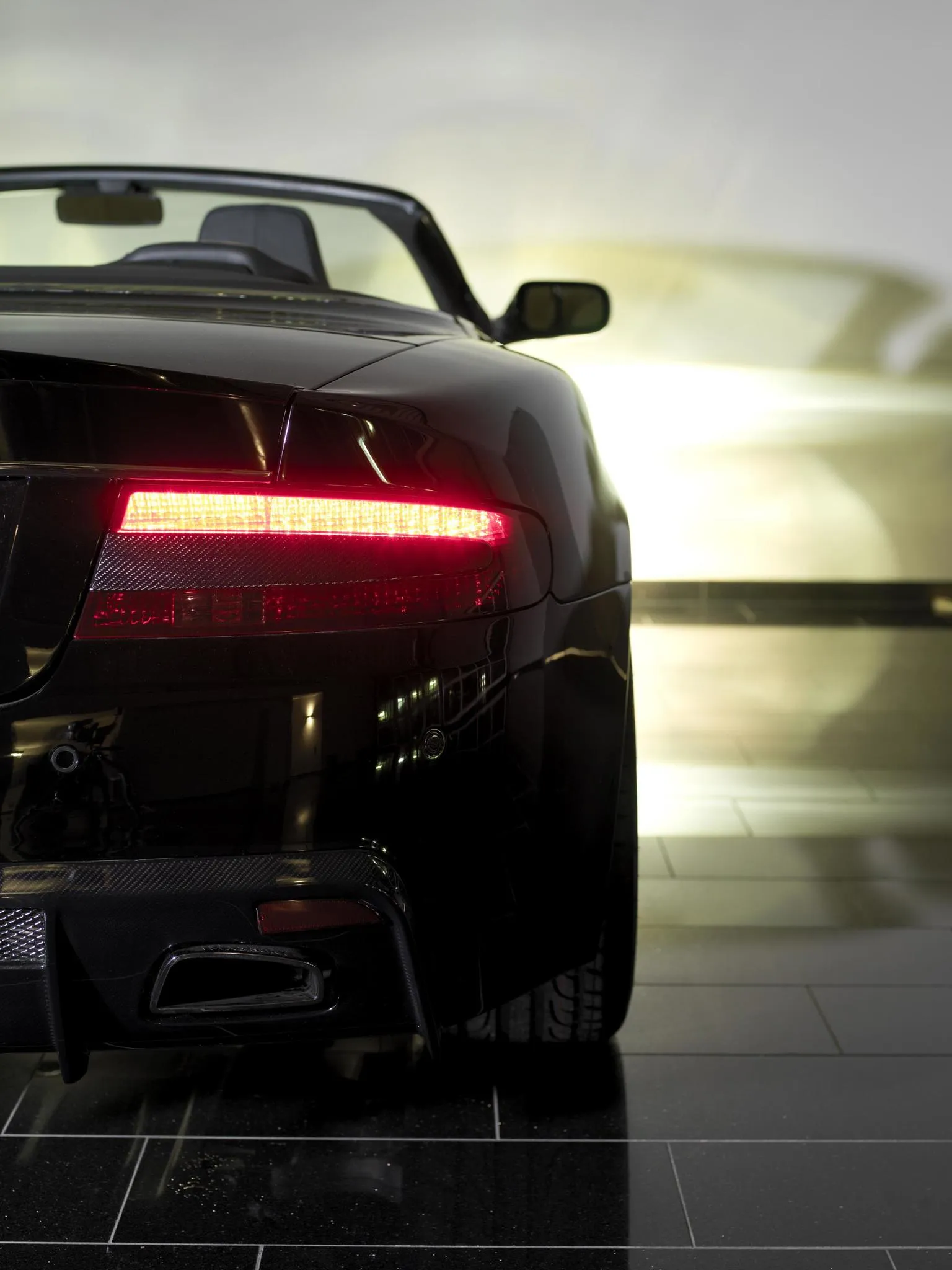
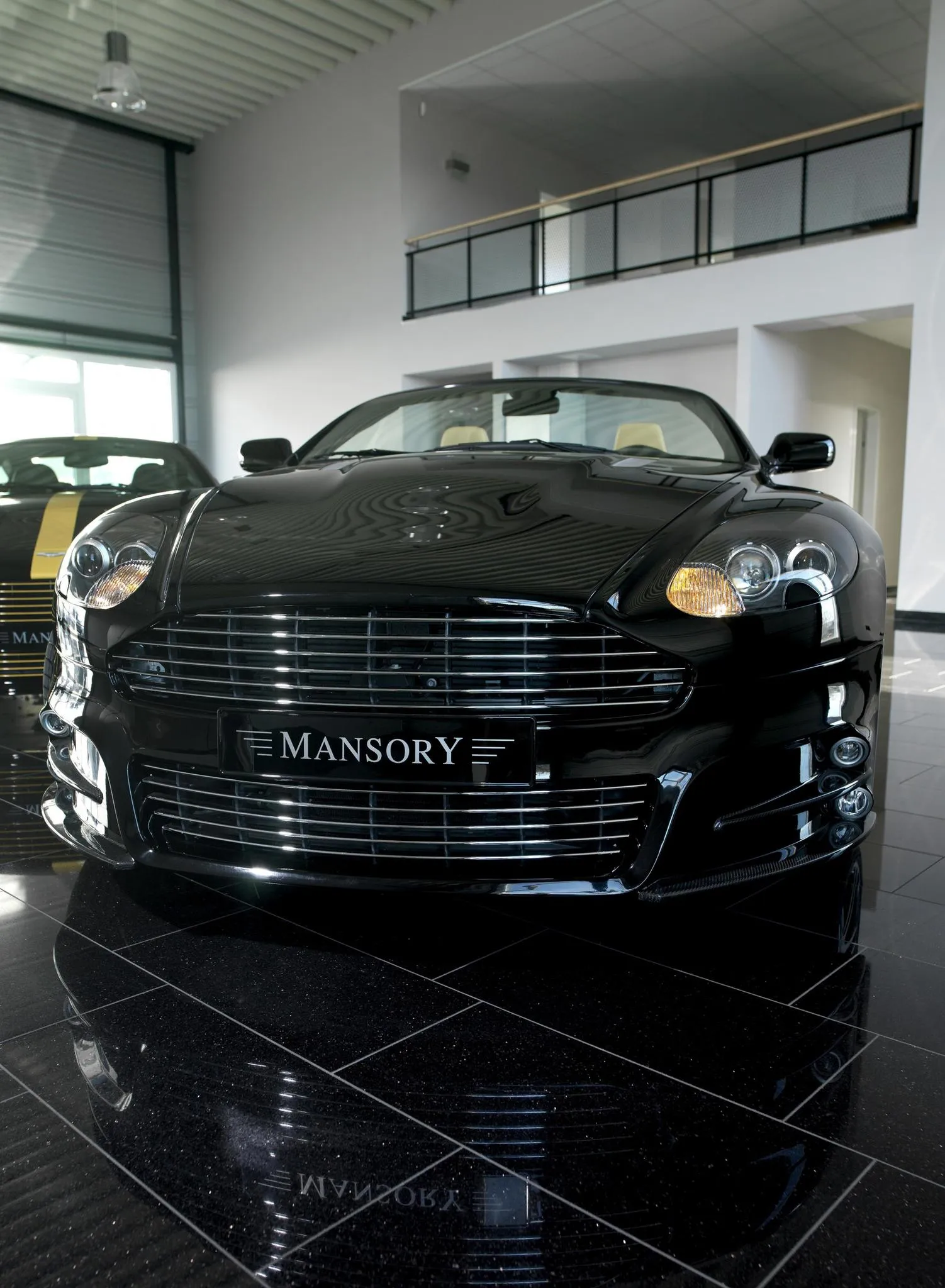
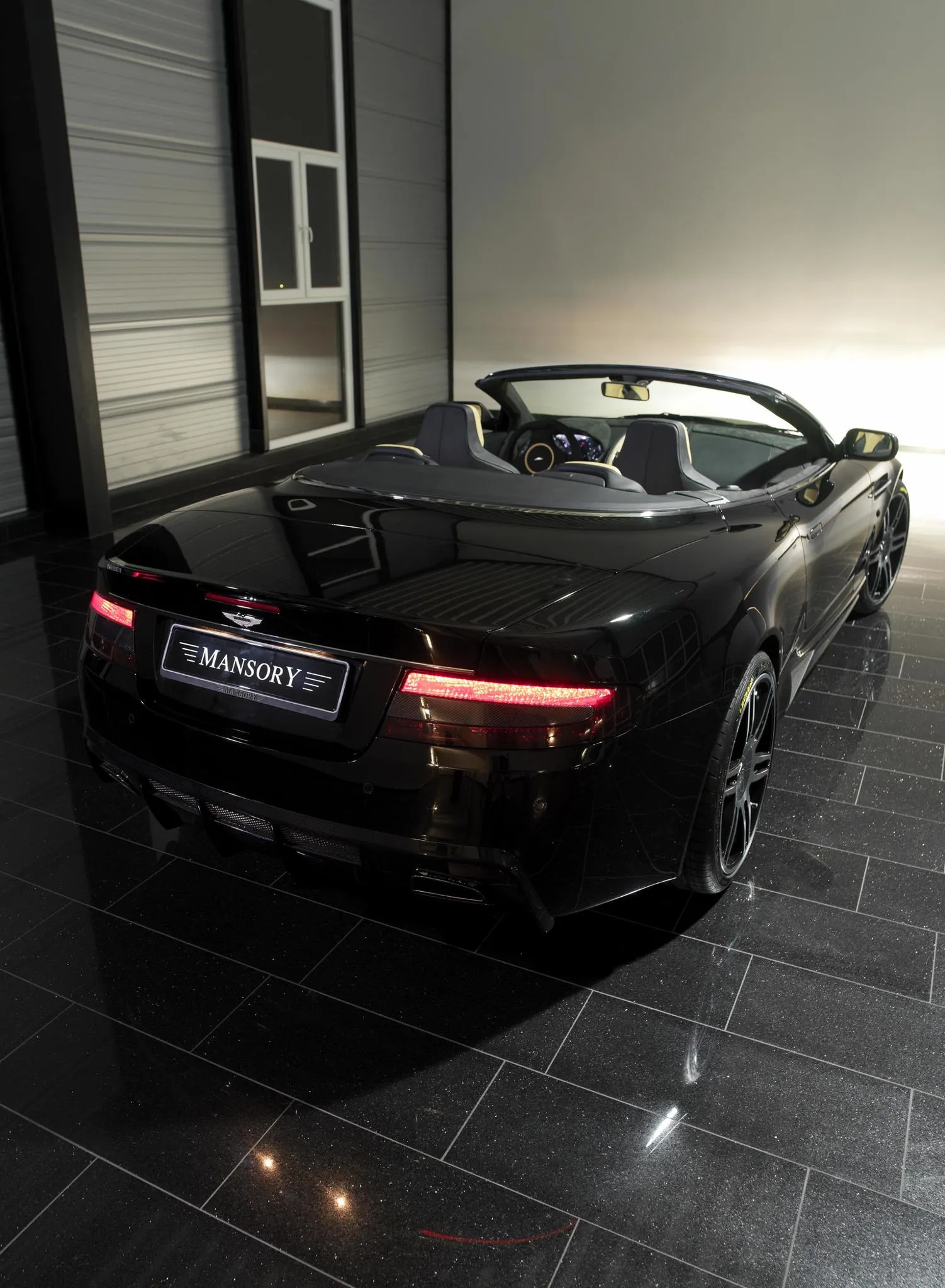
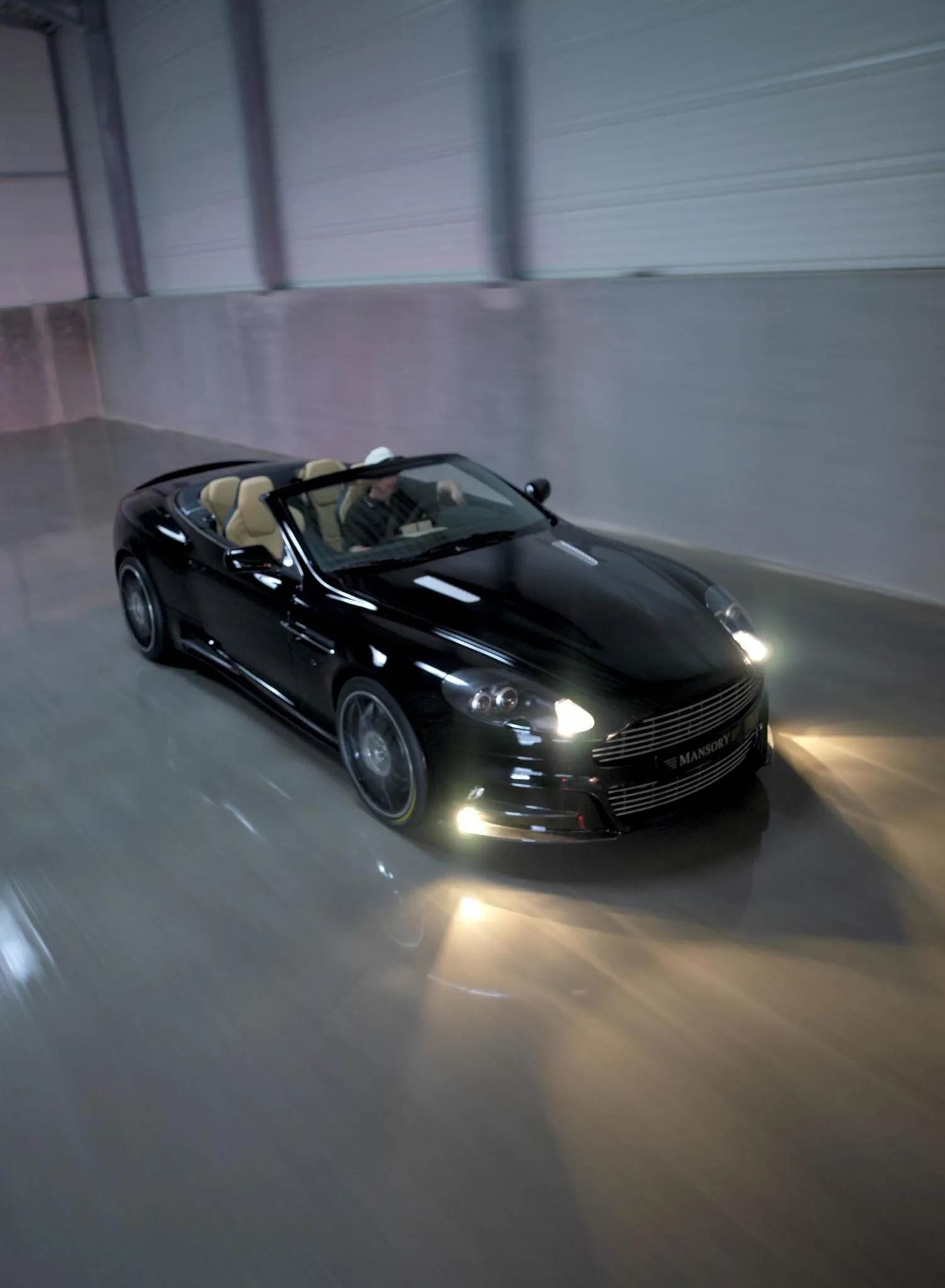
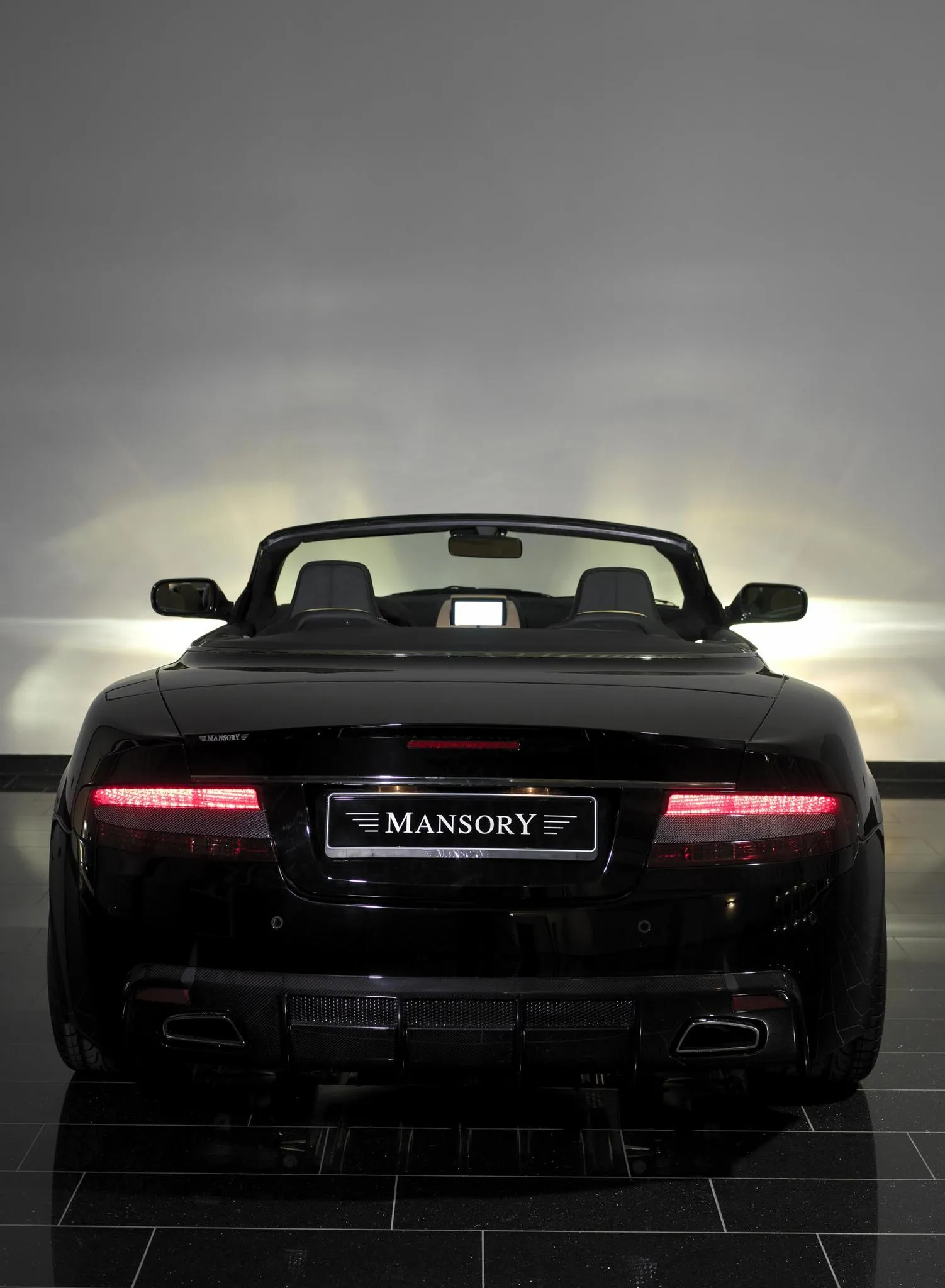
Mansory Carbon Fiber Body kit set for Aston Martin DB9/Volante


MANSORY Carbon Fiber Body-Kit Set for the ASTON MARTIN DB9 VOLANTE — the Soft-Top VH-Platform GT That Saved Aston Martin Under Ulrich Bez, Built at Gaydon 2003-2016
The Aston Martin DB9 Volante is the convertible derivative of the DB9 grand tourer — the car that, under chief executive Ulrich Bez, single-handedly rescued Aston Martin in the early 2000s. Launched in 2003 and produced until 2016, the DB9 was the first Aston built at the then-new Gaydon factory in Warwickshire and the first application of Aston's own VH (Vertical-Horizontal) bonded-aluminium platform — an architecture so correct that it went on to underpin the entire modern Aston Martin line-up (Rapide, Vanquish S, Virage, DBS, V8/V12 Vantage and eventually the DB11's evolution) until the DB12's Bonded Aluminium II era. The Volante adds a tailored fabric roof with a 17-second electric cycle that stows beneath a rear cover, leaving the DB9's Ian Callum-pen silhouette clean from every angle. Mansory's DB9 Volante programme is deliberately quiet by Mansory standards: a carbon-fibre body-kit set engineered as a soft-roof preservation brief, where any rear-deck work has to respect the fabric-roof stow envelope and the Volante's timing-sensitive roof kinematics.
VH platform and the car that saved Aston Martin
By the turn of the 2000s Aston Martin, under Ford ownership, needed a new flagship to replace the ageing DB7. Ulrich Bez — who took over as CEO in 2000 — pushed the brand into a purpose-built factory at Gaydon (opened 2003) and commissioned a brand-new architecture from the engineering team under Chris Porritt and then-chief designer Ian Callum, later carried through by Marek Reichman. The result was the VH platform: a bonded aluminium structure — extrusions and pressings joined with structural adhesive and self-piercing rivets rather than welds — that combined light weight with exceptional torsional rigidity. The DB9 was the first car to use it. Commercially and critically it was a triumph: 16 497 DB9s built over 13 years, the architecture extended to the Vantage, DBS, Rapide, Virage, Vanquish and eventually adapted for the DB11 (2016 onwards). The DB9 Volante specifically is the soft-top expression of that architecture — and because VH bonded-aluminium tolerates open-top conversion unusually well (no separate convertible chassis stiffening tonnes required), the Volante drives structurally close to the Coupé.
DB9 Volante — soft-roof preservation brief
The Volante's fabric roof is the dominant design constraint. It is a three-layer folding soft-top with insulating pad and inner headliner; it cycles in approximately 17 seconds at standstill; it stows beneath a body-coloured tonneau cover that sits flush with the rear deck when closed. Any aftermarket rear-deck intervention — rear spoiler, tonneau trim, decklid edge — has to respect the fold-path and the tonneau latching geometry exactly. Mansory's Volante programme is written around this constraint. Where the Coupé programme can take liberties with the rear decklid and fit a more aggressive wing, the Volante brief is additive-restraint: shape the fenders, the front and rear bumpers, the side skirts, the bonnet airflow and the mirrors, but leave the rear silhouette intact so the soft-top cycle and the stowed-roof profile stay factory. In our opinion the DB9 Volante is Mansory's quietest commission — the car's lines are so finished from Ian Callum's pen that the brief here is additive-restraint, not loudness. The result is a Volante that still looks unmistakably Aston at 20 metres and reveals the carbon detailing only at conversational distance.
Carbon kit components
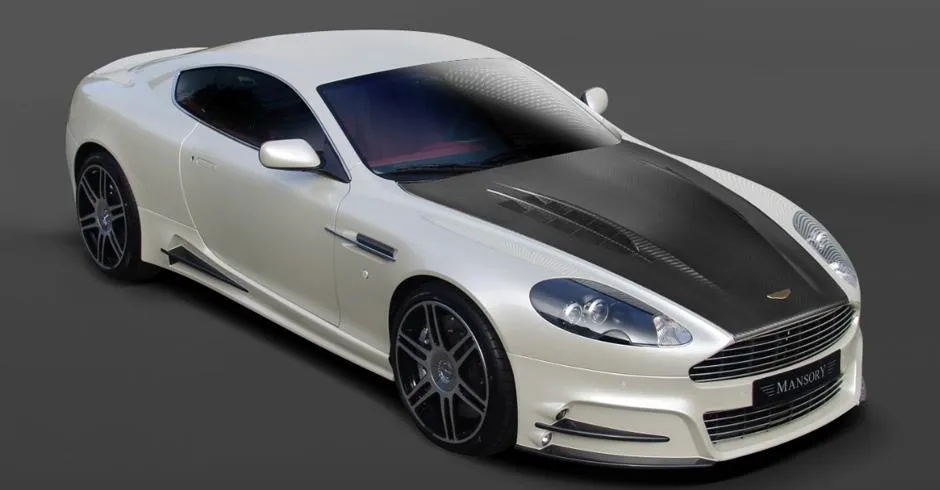
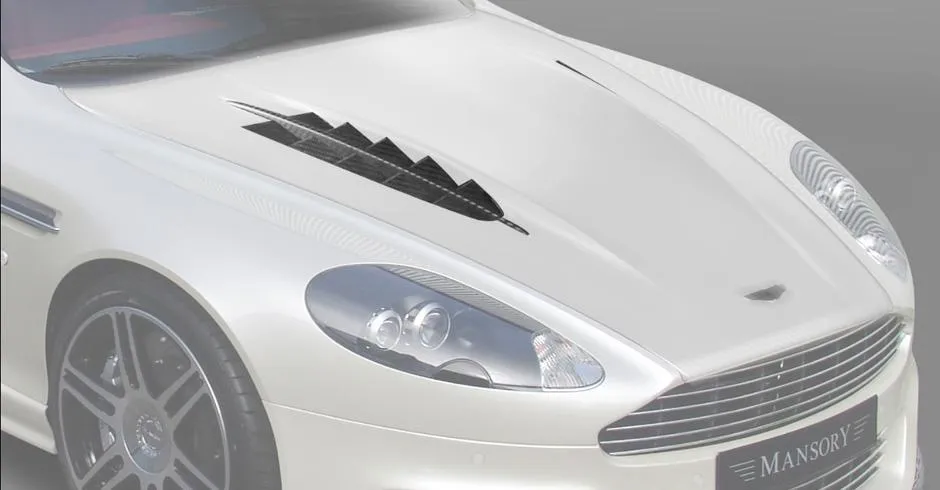
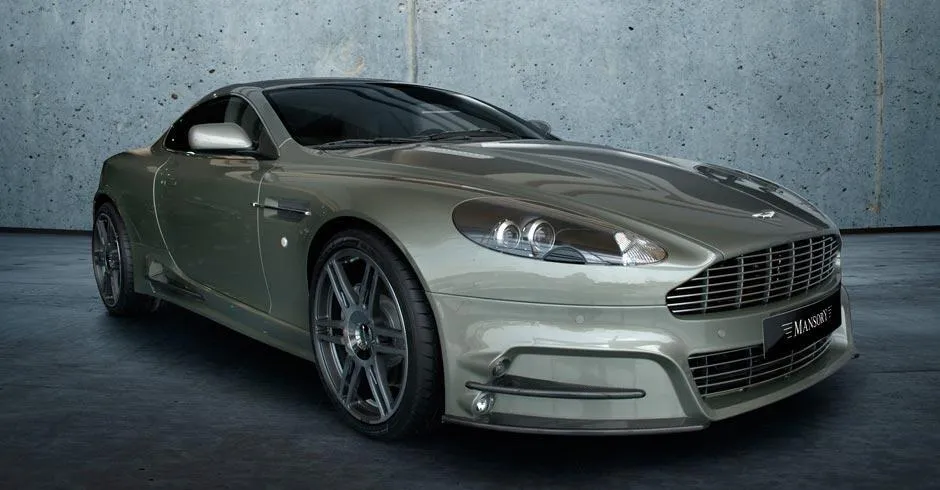
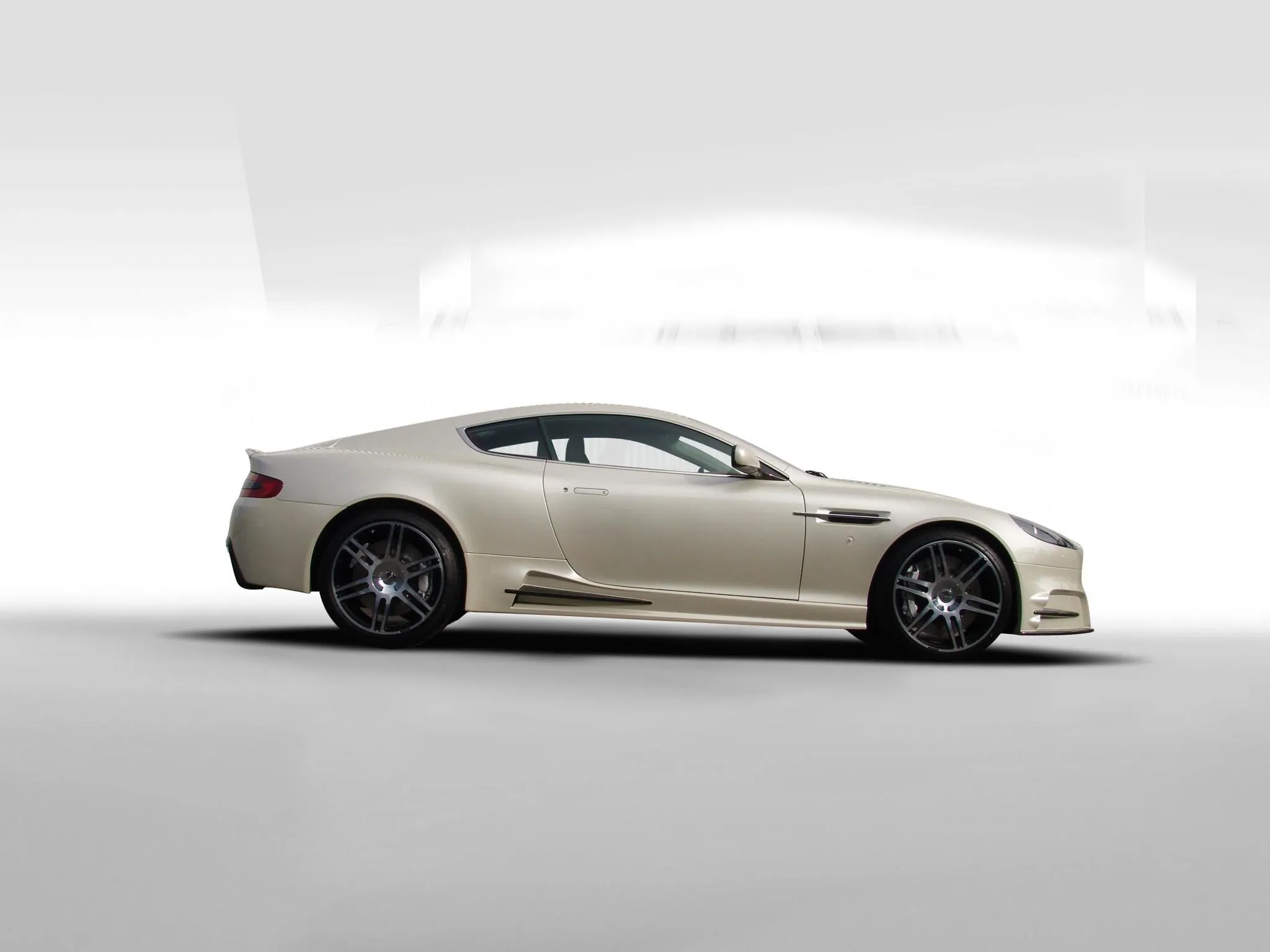
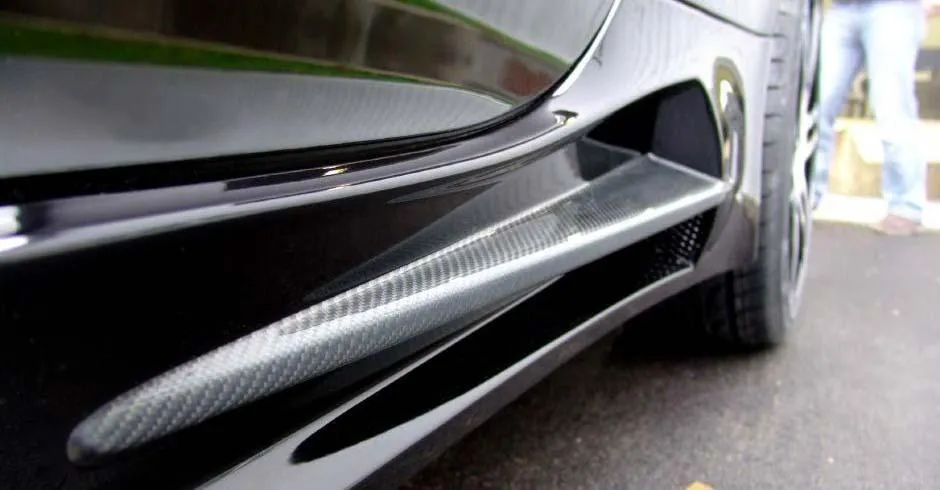
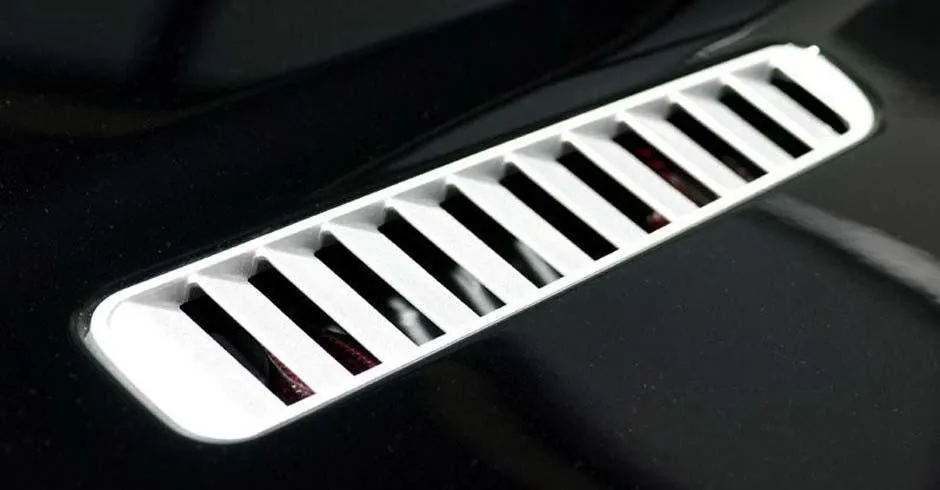
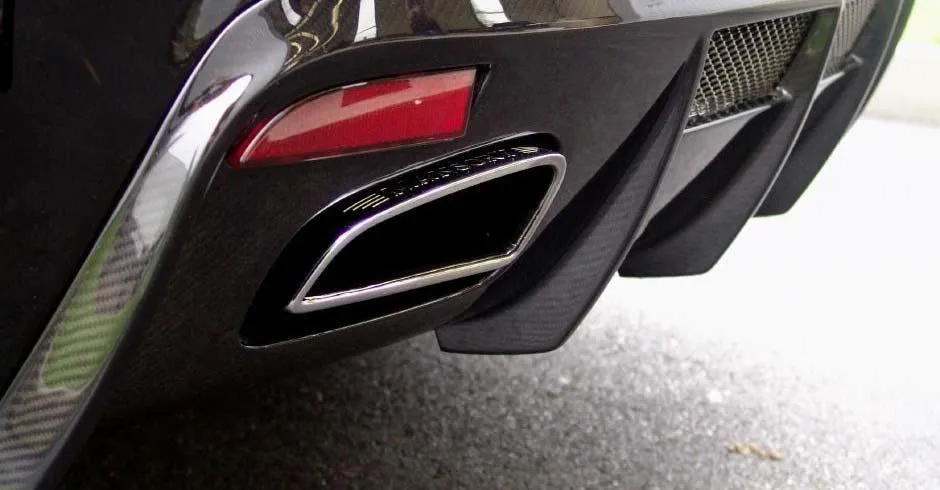
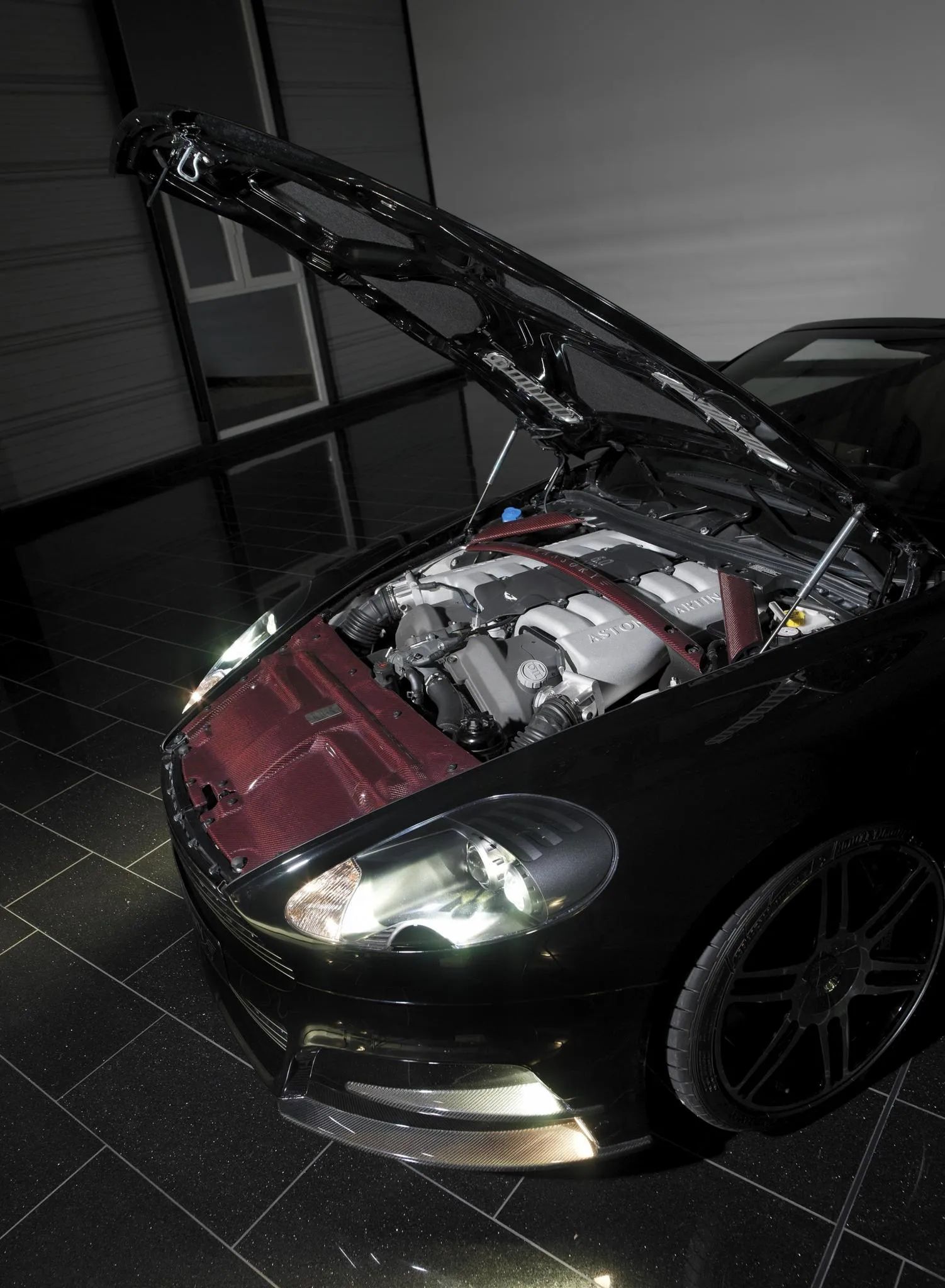
DB9 Volante kit schedule: carbon front bumper with deeper splitter, reshaped lower intakes and integrated brake-cooling ducts while retaining the factory Aston grille aperture exactly; carbon engine bonnet offered in two finishes — Engine Bonnet Primed for paint-to-body and Engine Bonnet Exposed for visible 2×2 twill weave — both with functional engine-bonnet air outtakes for V12 under-bonnet extraction; carbon radiator main grille insert; carbon side skirts shaped to the Volante's door-sill line; carbon rear apron with integrated diffuser fins and Mansory exhaust bezels, kinematically clear of the soft-top stow path; carbon rear spoiler low-profile lip tuned to sit within the Volante tonneau envelope (does not foul the 17-second roof cycle at any point); carbon rear light cover bar linking the taillamp housings across the decklid edge; carbon mirror covers and full bracket and mirror frame carbon sets; and an under-bonnet group — carbon engine cover and carbon engine cross-braces — dressing the AM11 V12 bay. Installation is under 8 hours at a competent workshop. Finish options: 2×2 twill, 4×4 forged-carbon, satin-lacquer, high-gloss lacquer, or painted-to-body in any Aston heritage colour (Hammerhead Silver, Midnight Blue, Tungsten Silver, Racing Green).
AM11 6.0 V12 — the Cosworth-developed NA V12
Under the DB9 Volante's long bonnet sits Aston Martin's AM11 6.0-litre, 48-valve, naturally aspirated V12 — one of the finest NA twelves of the 2000s. Originally developed in partnership with Cosworth (itself at that point part of the Ford empire), the AM11 is descended from two joined Ford Duratec V6 blocks and refined extensively at Gaydon and at Cosworth's Northampton works. Over the DB9's 13-year run it progressed from 450 hp at launch (2004) to 470 hp, then 510 hp for the facelift, and finally 540 hp in the DB9 GT (2016) — a farewell specification. It is 100% naturally aspirated throughout the cycle — no turbo, no supercharger — and revs to 7 000 rpm with the induction growl that defines the pre-DB11 Aston acoustic signature. Transmission: ZF 6HP26 six-speed automatic (Aston-badged Touchtronic II) with steering-column paddles, or the rare Graziano six-speed manual (approximately 300 DB9 Coupé manuals in total; Volante manuals rarer still). Drivetrain is front-mid-engined rear-wheel drive with a rear-mounted transaxle for near-50/50 weight distribution. 0-100 km/h: 4.6-4.8 s depending on spec. Top speed: 295-300 km/h. Body: aluminium-steel-composite panels over the VH bonded-aluminium tub. Dimensions: 4 720 × 1 875 × 1 275 mm, wheelbase 2 740 mm, kerb weight approximately 1 890 kg for the Volante (roof mechanism +60-80 kg over Coupé).
Wheels — 19" / 20" forged for the DB9
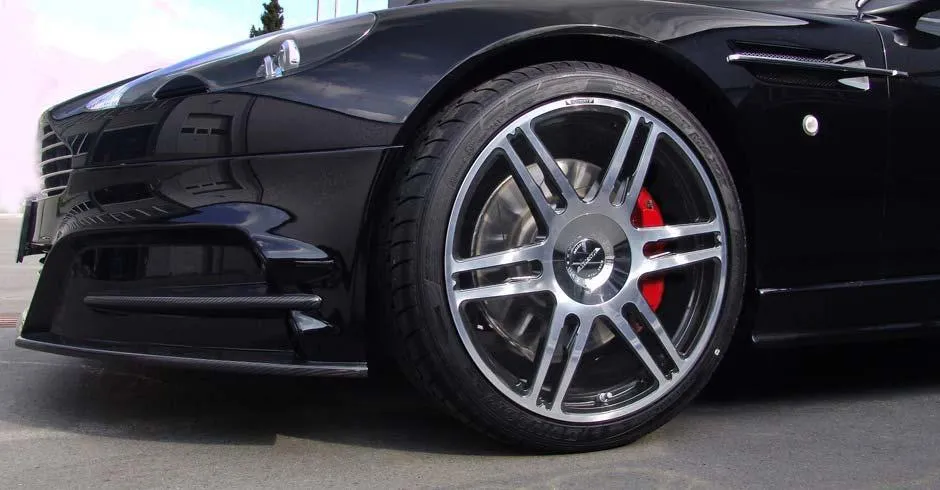
Factory DB9 Volante fitment: 19" all-round or 20" optional. Mansory Volante fitment: 19" front / 20" rear staggered forged, respecting the DB9's period-appropriate visual balance without over-scaling the classic proportions. Patterns: Mansory M.7 deep-concave multi-spoke, Mansory M.10 split-seven forged. Tyre fitment: 235/40 R19 front / 295/30 R20 rear. Finishes: matte-black, satin-gunmetal, glossy-bronze, Aston heritage-silver, or paint-to-sample to match Hammerhead Silver / Mariana Blue. All Mansory DB9 wheels TÜV-documented against the Volante's kerb weight and the stiffer facelift-era suspension calibrations. Catalogue: hodoor.world/collection/forgedwheels.
Three British-corridor markets
United Kingdom — The DB9's natural home. Gaydon is in Warwickshire, the client base is concentrated between London's Mayfair, the Cotswolds and the home counties, and right-hand-drive build data is Mansory's default for the DB9 Volante programme. UK deliveries include SVA-compatible documentation and a UK-spec lighting check for RHD kit geometry. Full programme and shipping notes: hodoor.world/blogs/wide-body-kits-and-wheels-worldwide/gb-performance.
Monaco — The DB9 Volante is a fixture on the Monte Carlo waterfront and along the Boulevard Albert 1er during Grand Prix week. Mansory's Monaco deliveries handle French-Italian-Swiss border logistics and arrange installation at Monaco-accessible ateliers. Country notes: hodoor.world/blogs/wide-body-kits-and-wheels-worldwide/monaco-wide-body-kits.
Jersey (Channel Islands) — The Channel Islands have a disproportionate concentration of classic and modern Aston Martins, and Jersey's import regime is independent of the UK mainland for customs purposes, which changes the paperwork profile. Mansory handles Channel Islands deliveries with appropriate documentation. Country notes: hodoor.world/blogs/wide-body-kits-and-wheels-worldwide/jersey-tuning.
Commission
Commission requires: DB9 Volante VIN, generation confirmation (pre-facelift 2004-2012 vs facelift 2013-2016 vs DB9 GT 2016), engine state (450 / 470 / 510 / 540 hp), gearbox (Touchtronic II automatic vs rare Graziano manual), current paint and interior codes, carbon scope (full kit vs selected components — bonnet-only, bumpers-only, etc.), bonnet finish choice (Primed vs Exposed), wheel choice, and destination country. Typical timelines: 10-12 weeks for carbon and forged wheels; installation under 8 hours at a competent Aston-experienced workshop; total order-to-road approximately 3 months. Contact: +44 7488 818747 (WhatsApp) or [email protected].
Companion Mansory programmes
Buyers who land on this card often also weigh Carbon Fiber Body kit set for Aston Martin Vanquish, Carbon Fiber Body kit set for Aston Martin DB9 Curus and Carbon Fiber Body kit set for Aston Martin V8 Vantage. Component lead-times, paint-match policy and forged-wheel options carry across.
FAQ — DB9 Volante programme
Does the kit fit both the DB9 Coupé and the DB9 Volante? The front bumper, bonnet, side skirts, mirror covers and radiator grille interchange between Coupé and Volante. The rear apron, rear spoiler and rear light cover bar are Volante-specific — shaped around the soft-top stow envelope and tonneau cover. The Coupé has its own rear-end set; do not cross-fit.
Is the kit compatible with the 2013 facelift as well as the pre-facelift DB9? Yes, with the correct front-bumper SKU. The 2013 facelift introduced a sharper nose, revised headlamp graphics and a reshaped lower intake, so the front bumper has two variants — one for pre-facelift 2004-2012, one for facelift 2013-2016. The rear apron, side skirts, bonnet and mirror components are common across both generations.
Does it work on the 2016 DB9 GT? Yes. The DB9 GT (2016, 540 hp farewell edition) uses the facelift body shell, so it takes the facelift-variant front bumper along with the common rear apron, side skirts, bonnet and mirrors. Mansory notes the GT's slightly firmer suspension calibration and recommends the M.10 forged pattern for weight-to-stiffness balance.
Is the fabric-roof cycle retained without timing shift? Yes. The full 17-second cycle is preserved, including the tonneau cover latch and the roof-stow profile. Mansory's rear spoiler lip sits outside the tonneau fold-path and the rear-apron carbon is clear of the soft-top hydraulic-actuator envelope. No change to the roof-control ECU, no recalibration, no shift in timing.