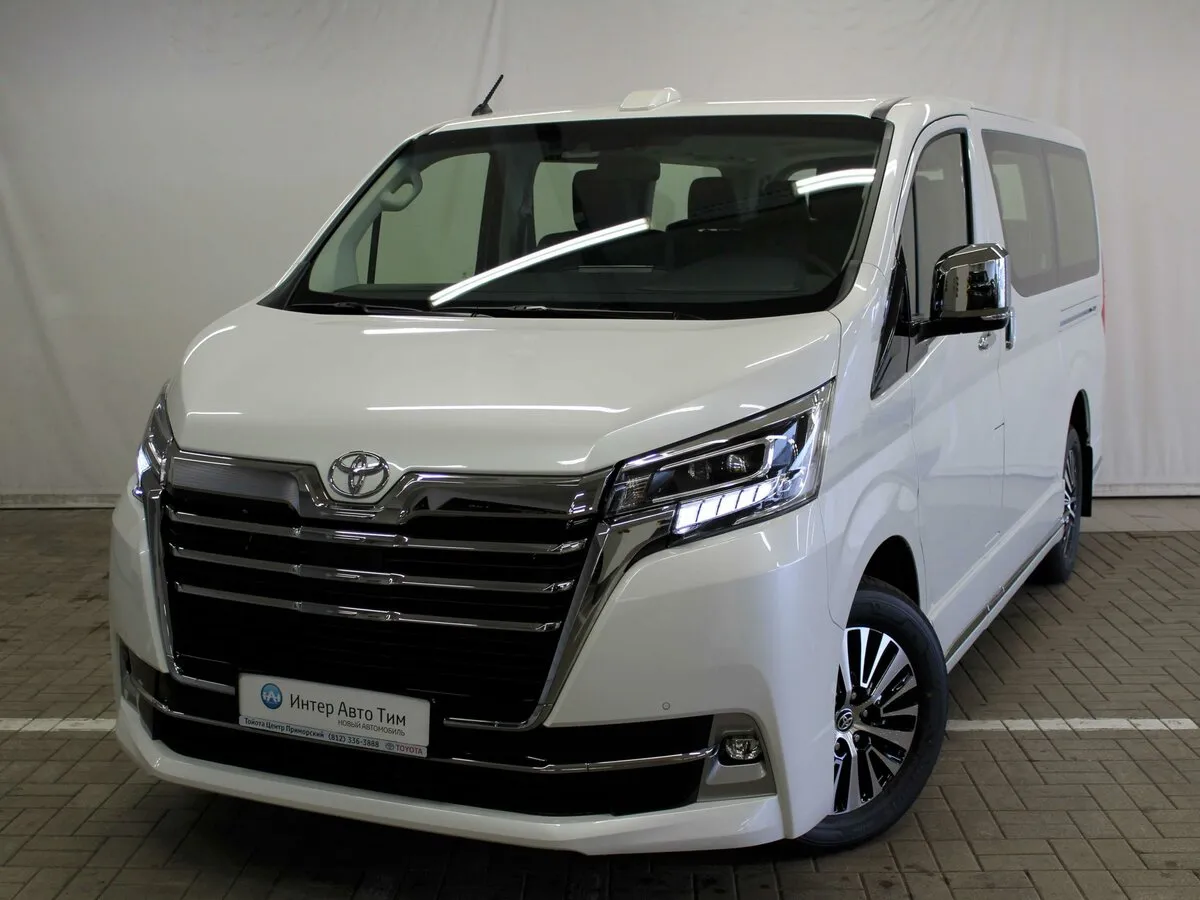
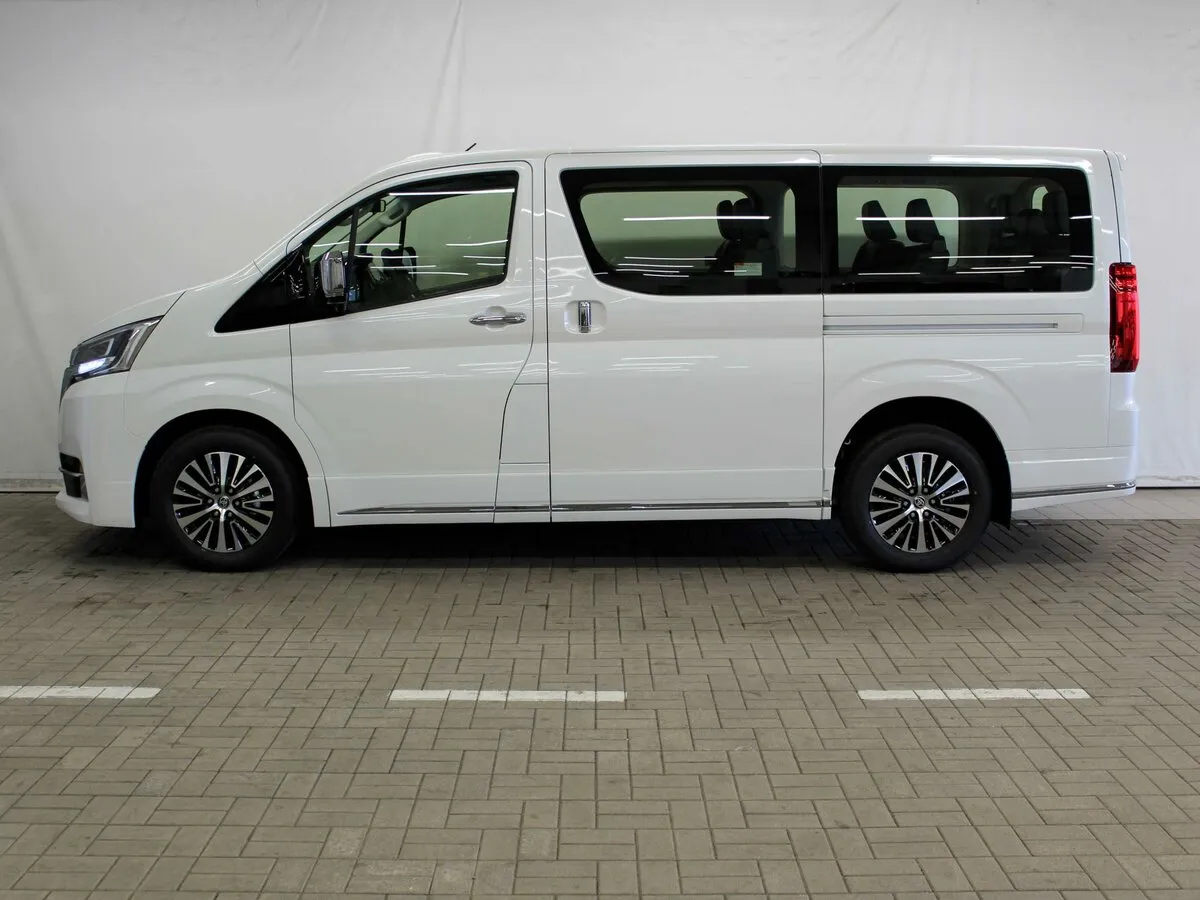
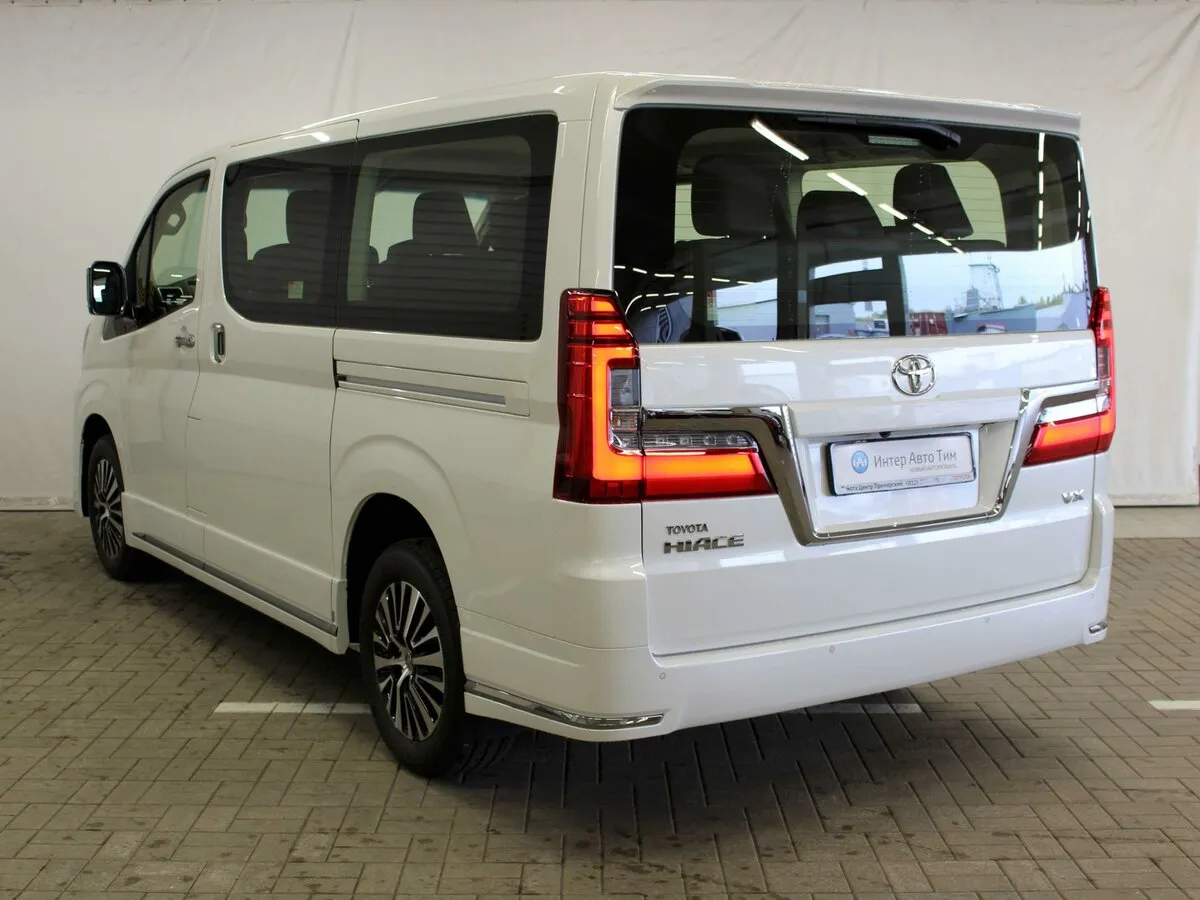
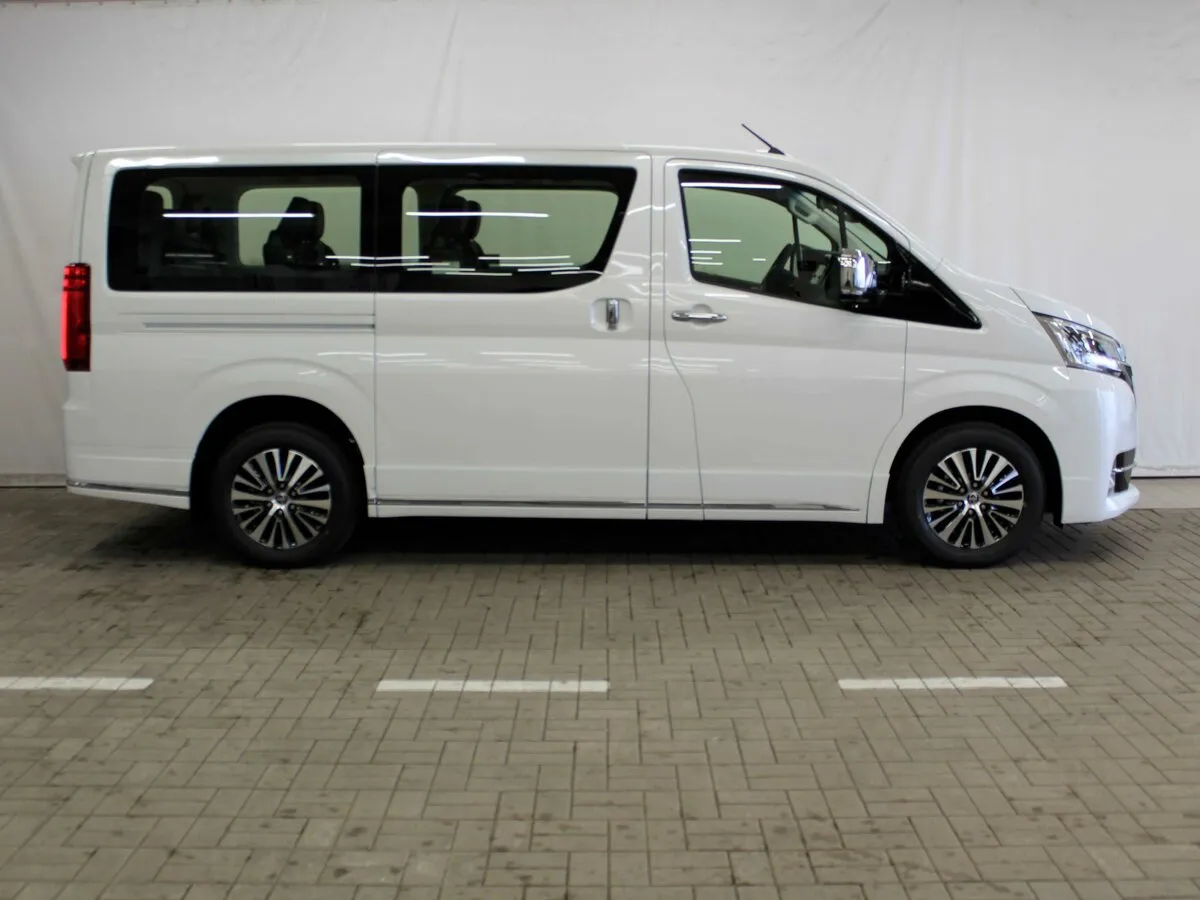
Toyota Hiace (H300, 6th Gen) Tuning Guide 2026 — Body Kits, Wheels & Camper Builds


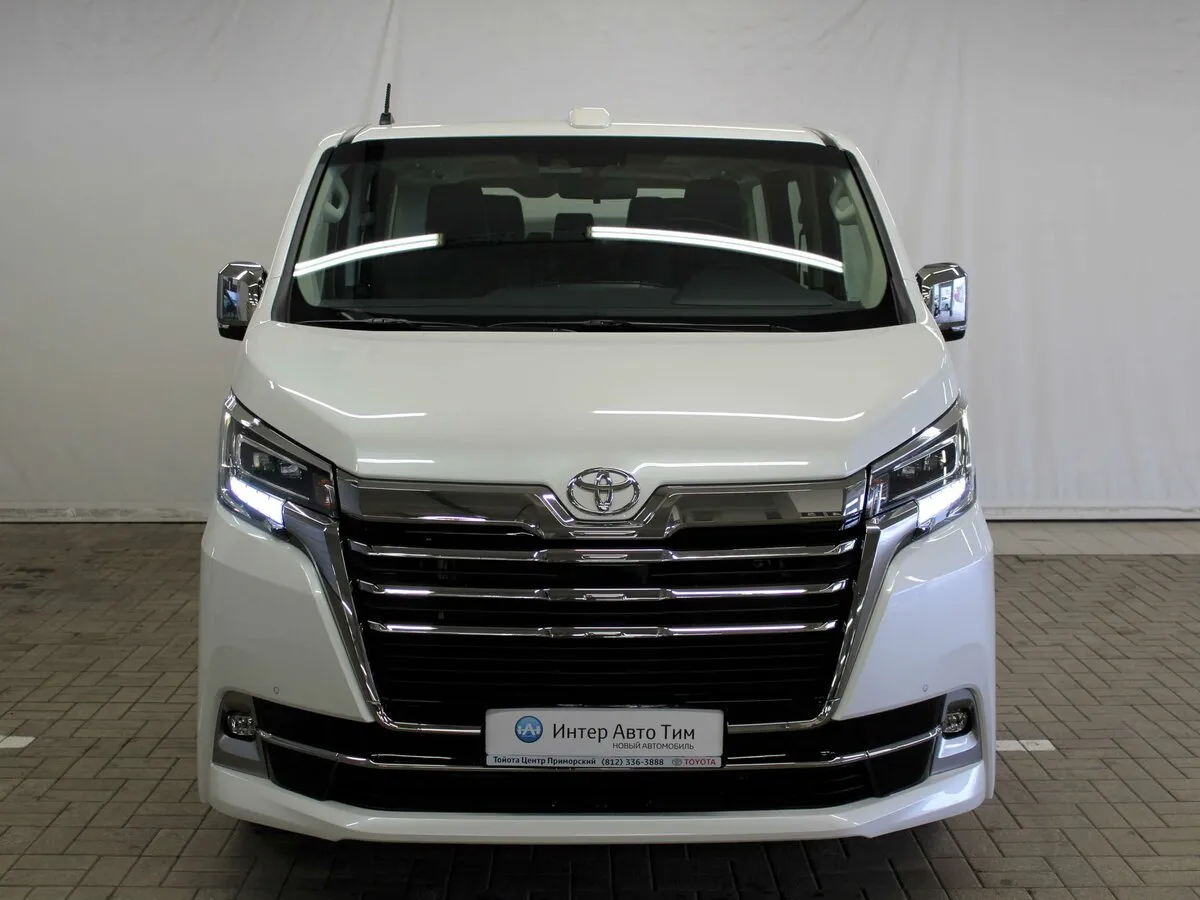
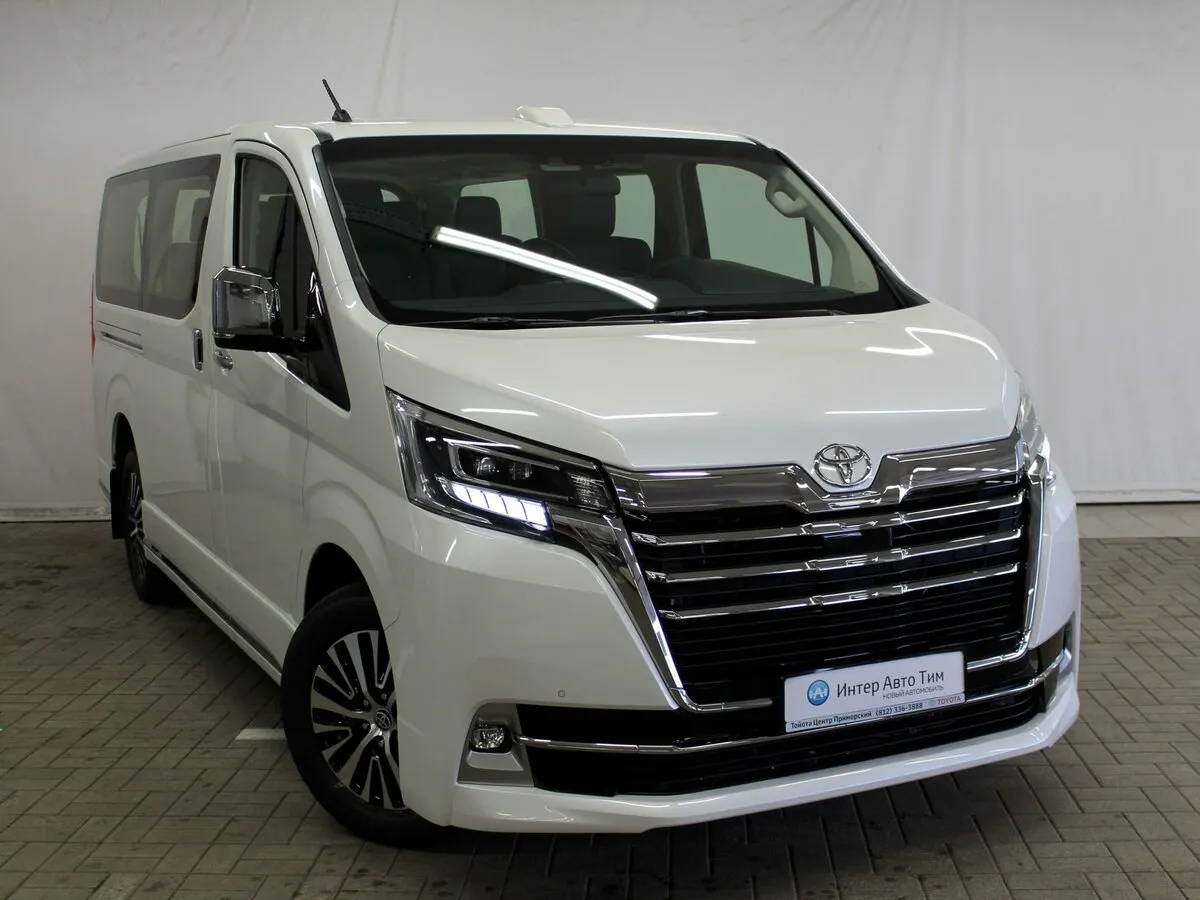
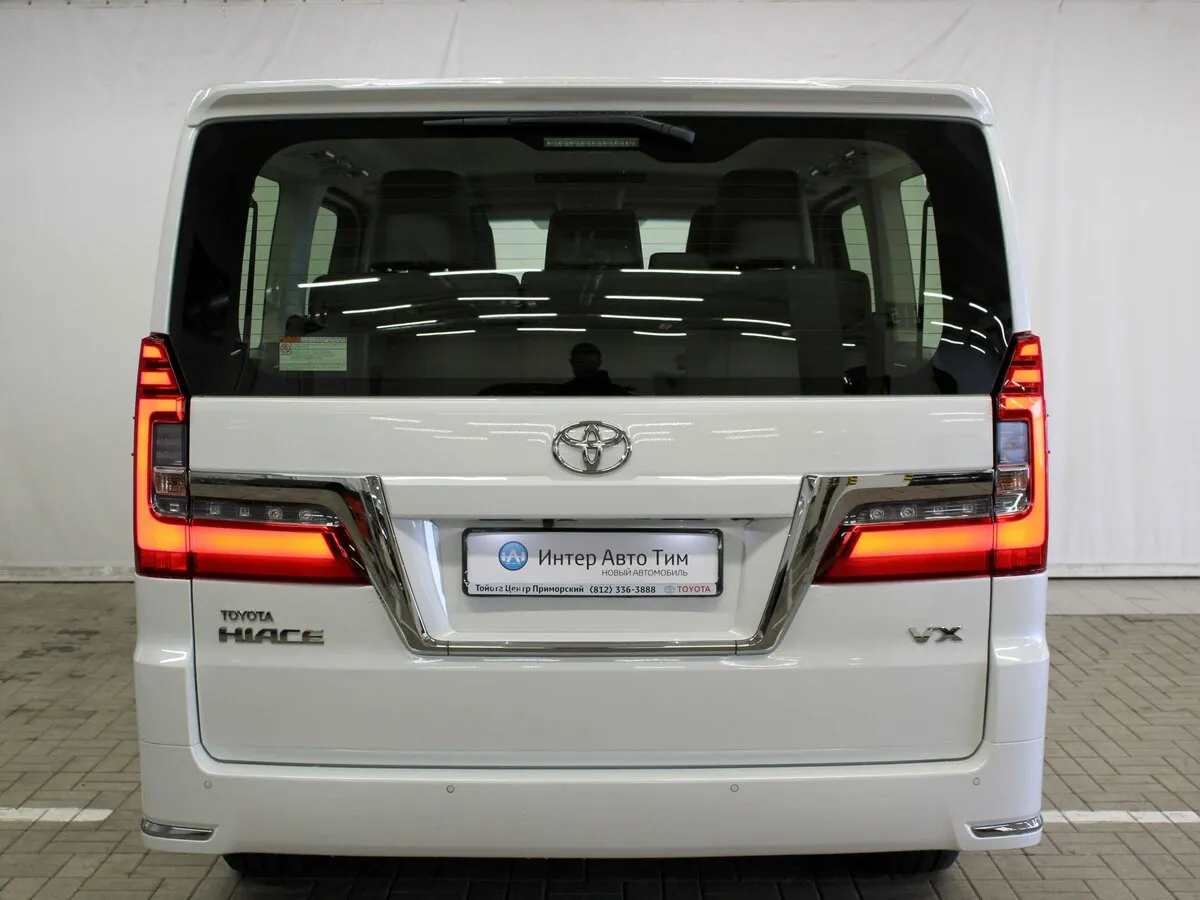
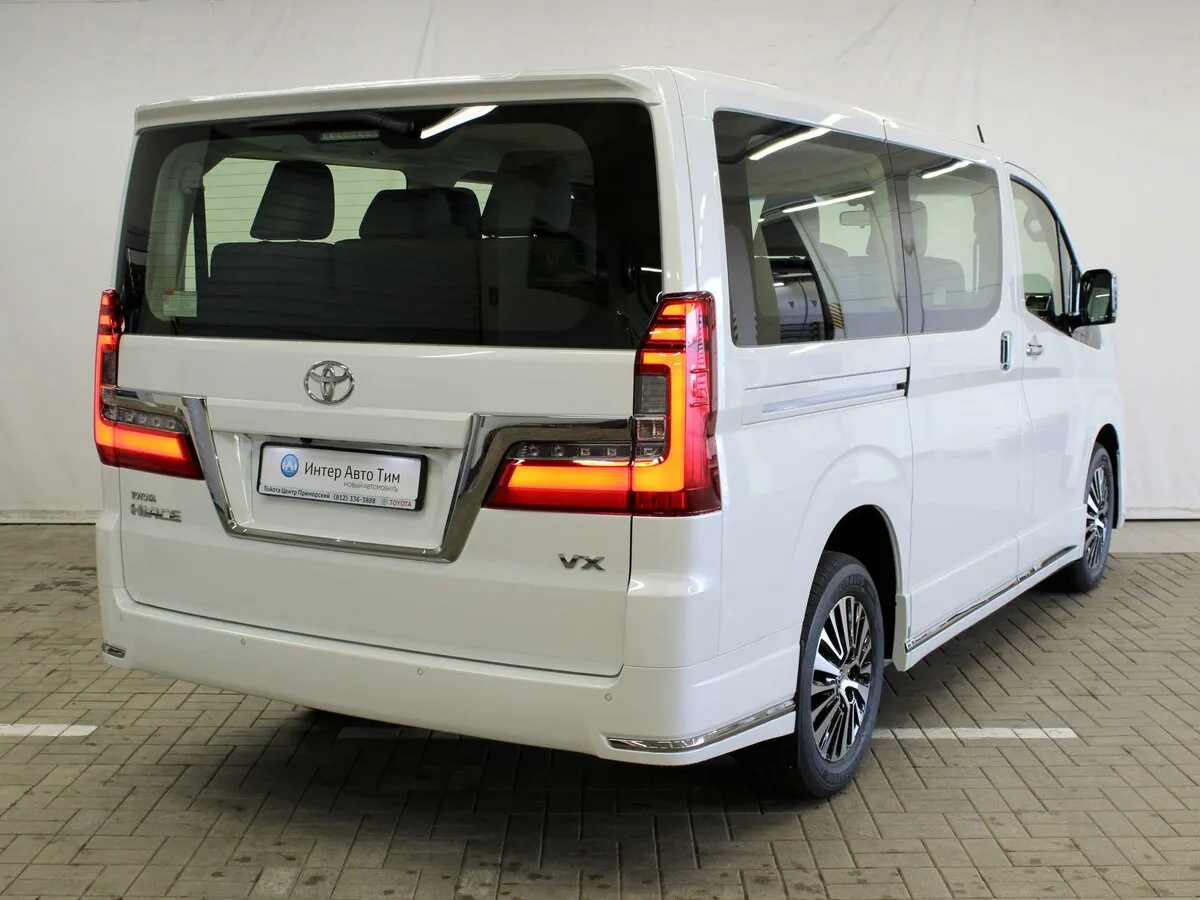
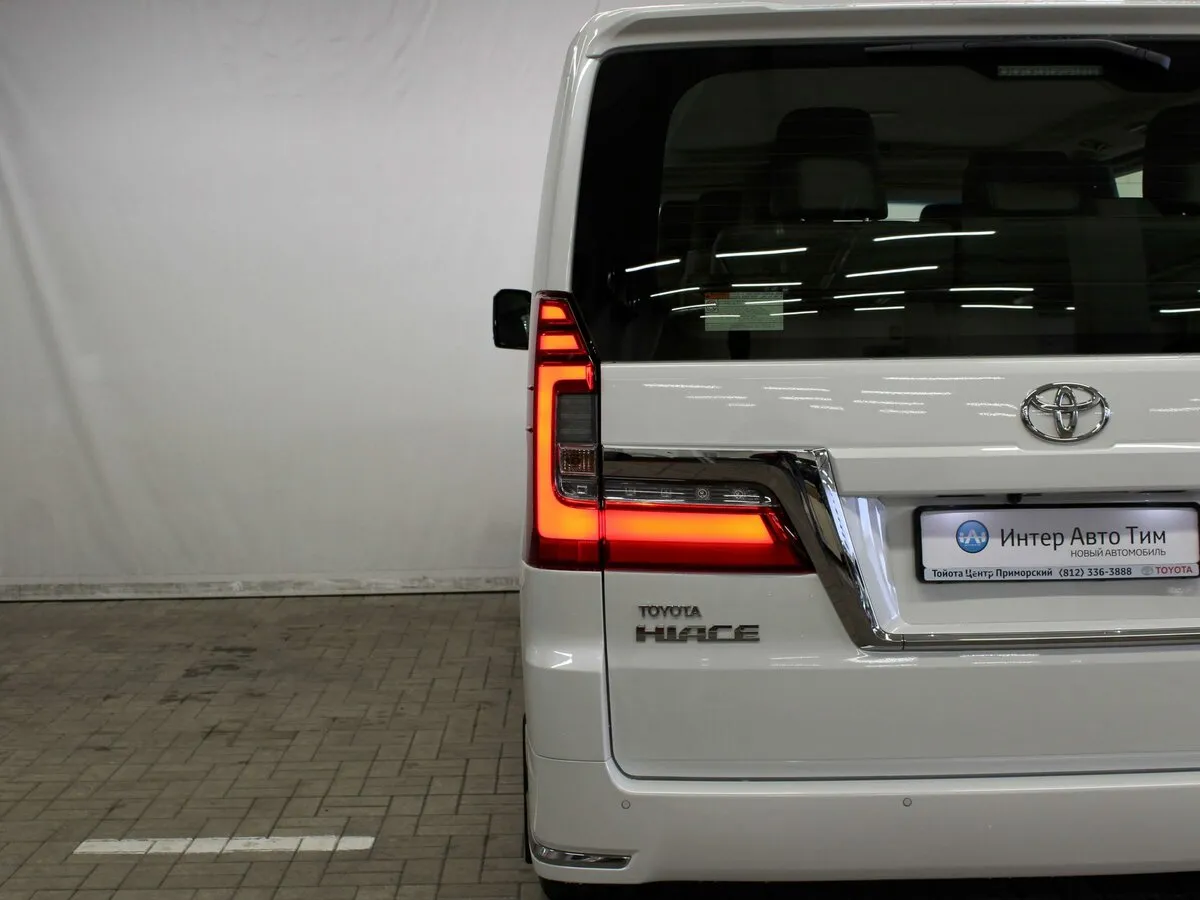
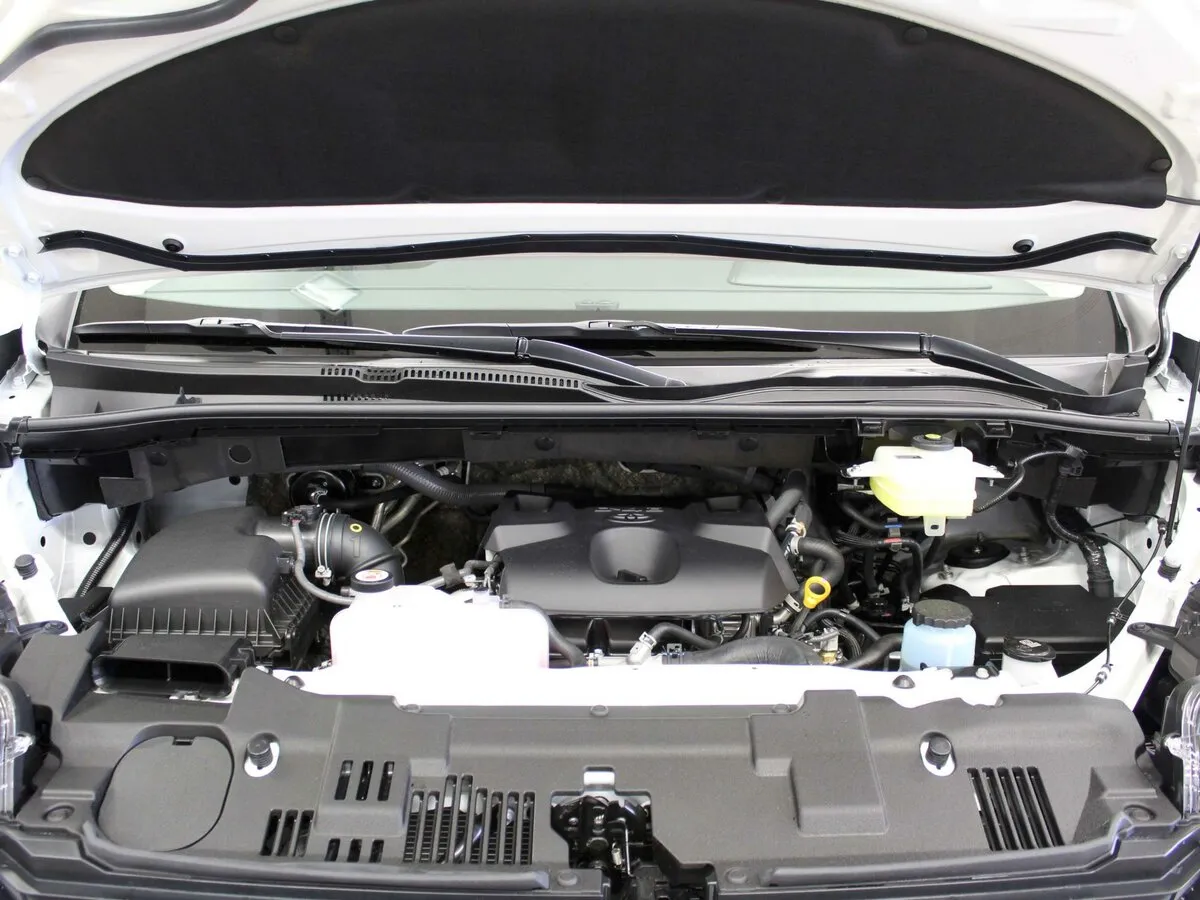
The Toyota Hiace (H300, sixth generation) launched in 2019 as the global replacement for the long-running H200, built on the Toyota IMV ladder-frame commercial platform — the same architecture that underpins the Hilux and Fortuner. Unlike European monocoque rivals, the H300 pairs a body-on-frame chassis with a mid-engine semi-cab-over layout (engine mounted under the front seats, not over the axle), making it the toughest and most camper-friendly one-tonne van on the world market. Two drivetrains dominate global markets: the 2.8-litre 1GD-FTV turbodiesel inline-four producing 174 hp and 450 Nm, and the 3.5-litre 7GR-FKS naturally-aspirated V6 petrol with 280 hp, both paired to a six-speed automatic or six-speed manual, with rear-wheel drive standard and part-time 4WD optional in key markets. The H300 is sold in LWB (long-wheelbase) and SLWB (super-long-wheelbase) forms and is the default platform for JDM camper conversions, Australian overland builds, African shuttle fleets and VIP people-mover conversions across the Middle East and Asia. This guide covers every meaningful upgrade for the H300 — body kits, wheels, suspension, interior conversions and camper builds — and explains what actually works.
Toyota Hiace H300 — Key Specifications
Body Kits — Real Tuner Programmes
Toyota Modellista (factory-endorsed styling)
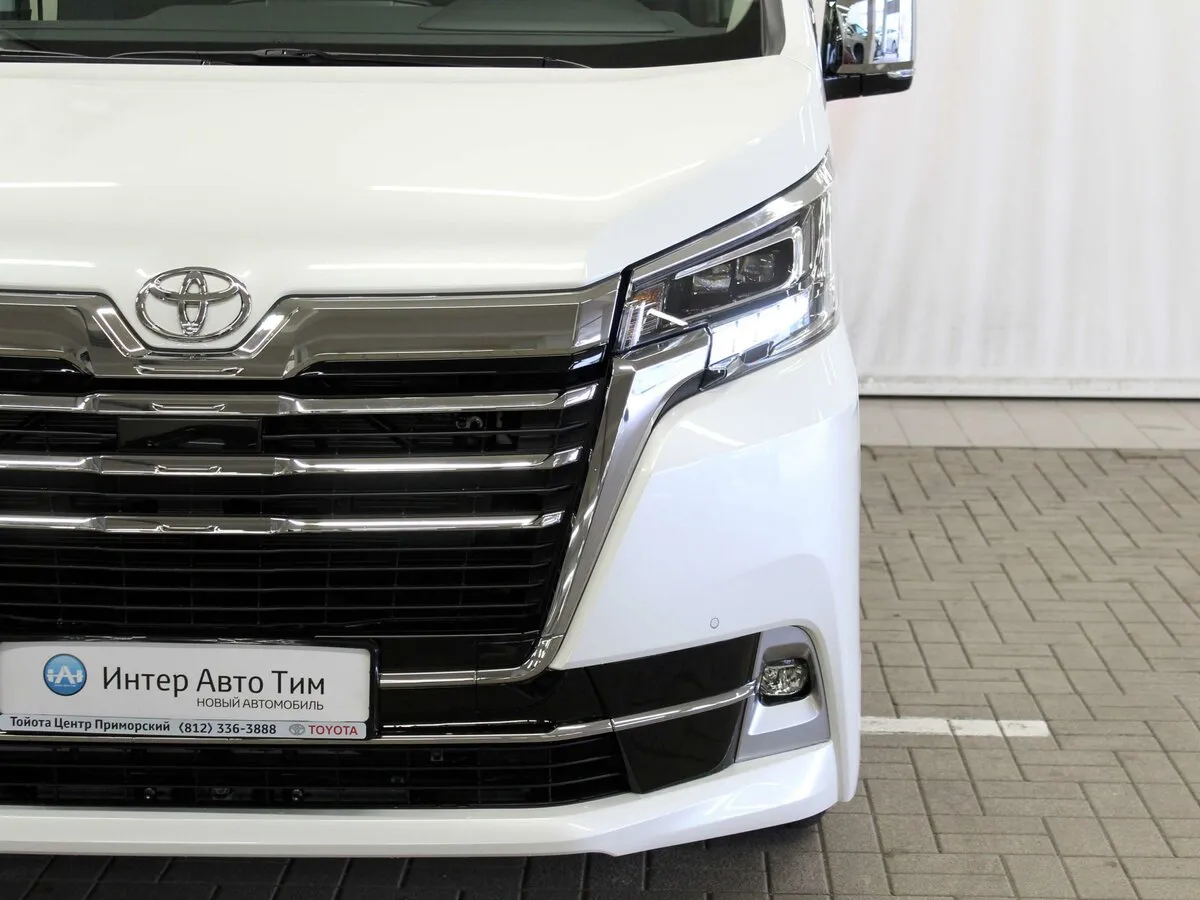
Modellista is Toyota's in-house accessory division (TOYOTA Customizing & Development Co., Ltd.) and produces the OEM-endorsed styling package for the H300. The Modellista Hiace kit consists of a front under-spoiler with integrated LED accent lighting, lower side-sill extensions that visually drop the van's ride height, a rear lower bumper garnish, and a set of Modellista-branded chrome or black mirror caps and door-handle covers. Grille options include both chrome-bar and black-mesh finishes to match the owner's exterior colour. This is the correct choice for H300 owners who want a more purposeful stance while preserving full dealer service compatibility in Japan, Hong Kong, Taiwan, Australia and the Gulf. Fit is OEM-grade, and the Modellista package is the safest body-kit decision for vans that will be sold on to a commercial buyer later.
Wald International — Sports Line Hiace
Nagoya-based Wald International, long established as a Mercedes, Lexus and Rolls-Royce tuner, produces the most aggressive widebody programme available for the H300: the Wald Sports Line Hiace. The kit comprises a completely redesigned front bumper with quad-LED light bars and integrated splitter, bolted-on fender flares adding around 40 mm per side, redesigned side skirts with air-extractor blades, and a rear bumper with diffuser and twin exhaust cut-outs. Wald's programme is aimed squarely at the JDM VIP-van and show market — Hiaces destined for wedding-fleet service, luxury airport transfer companies, and private chauffeur use. The kit is normally paired with Wald's own forged wheels and a substantial suspension drop. Fit and finish match Wald's supercar programmes: FRP and carbon composite construction, painted to Toyota OEM codes.
Boxy / Reborn / Damd — JDM Custom Interiors
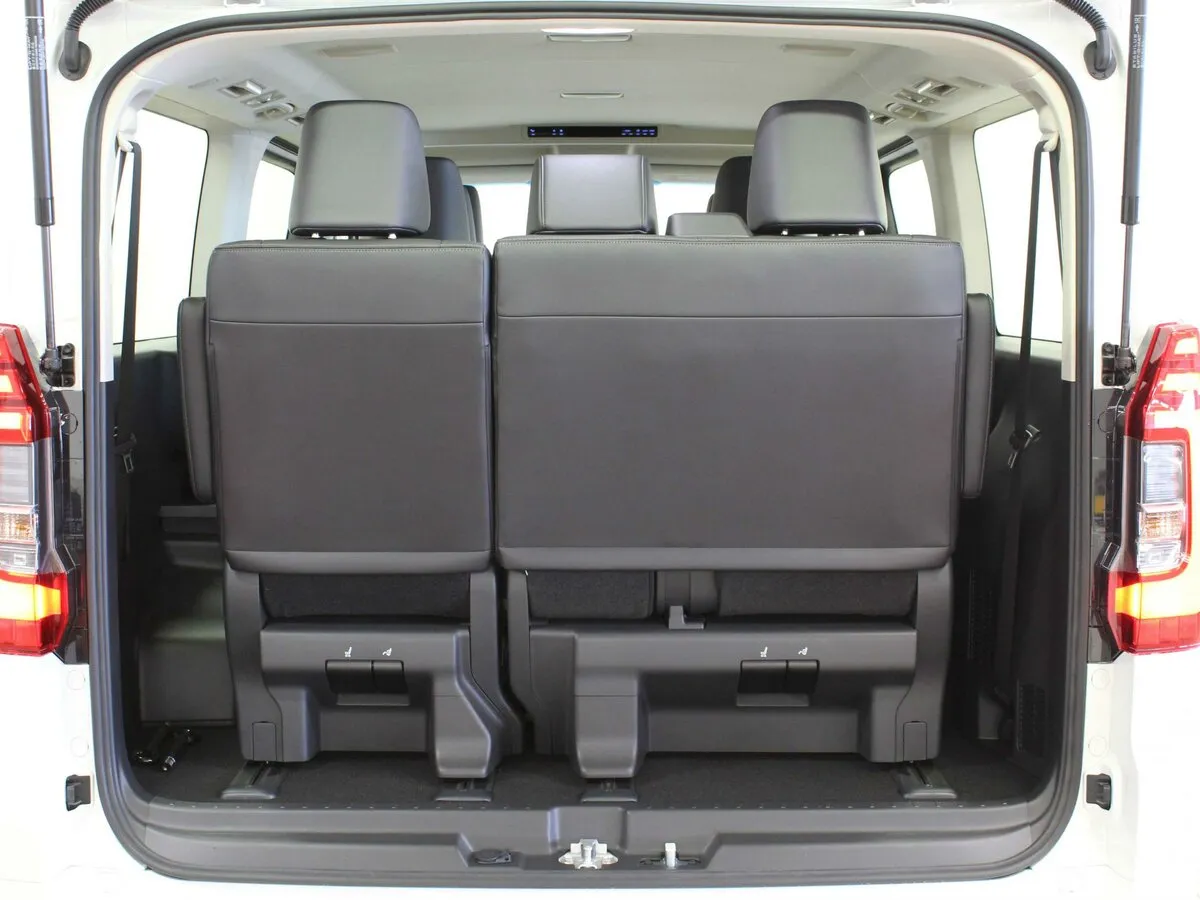
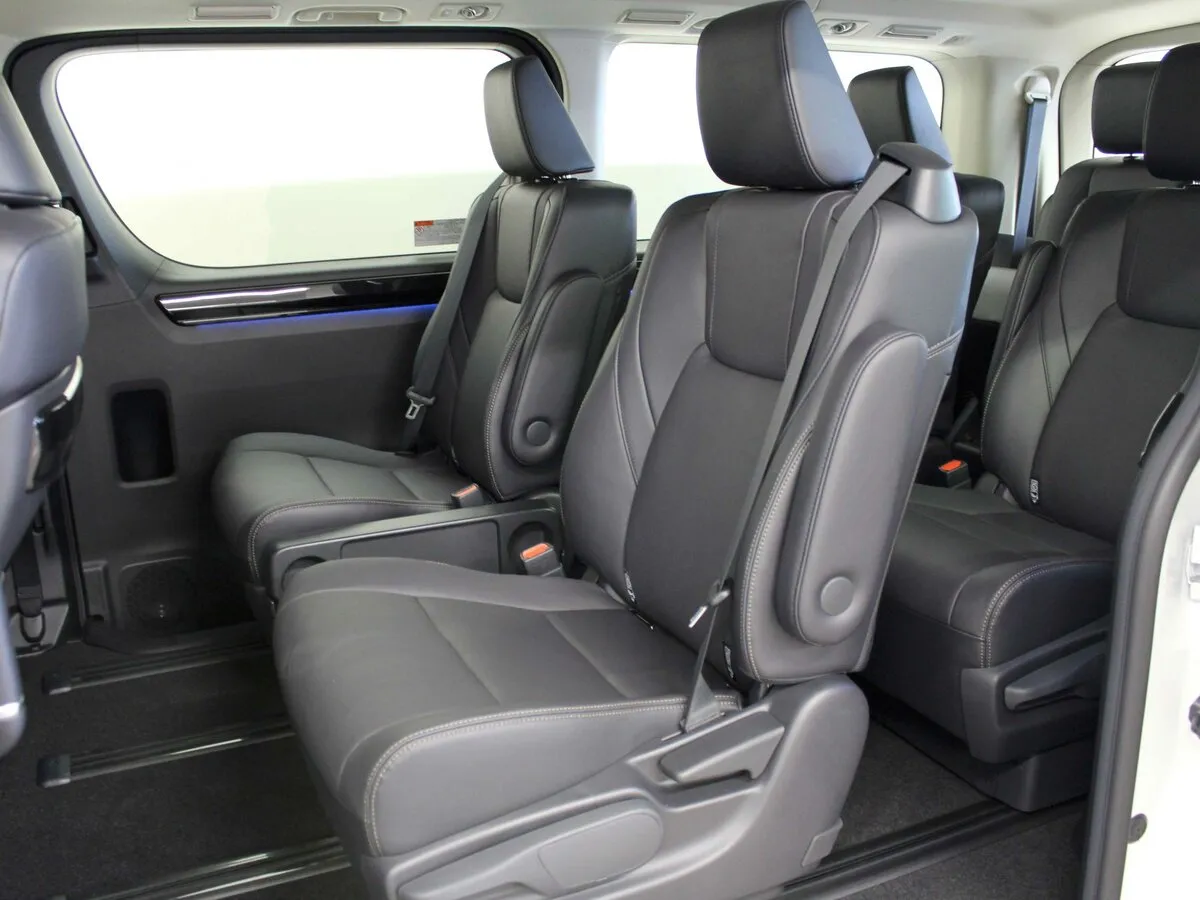
Three Japanese specialists dominate the H300 interior-conversion market: Boxy Style (known for clean, modern seating layouts), Reborn (the premium choice for luxurious executive conversions), and Damd (classic and retro-inspired interiors including their famous wood-panel "Little G" and "Little D" styles applied to the Hiace cabin). All three convert the standard van interior into a 6-, 7- or 8-seat people-mover with captain's chairs, rear sofa conversions, tables, ceiling consoles with LCD screens, and full leather or Alcantara re-trim. Damd and Reborn conversions are fully JDM-registered and crash-tested in Japan. For Hiaces destined for shuttle, VIP or family-van use, a Reborn or Damd conversion transforms the cabin into something closer to an Alphard Executive Lounge than a commercial van.
Carlex Design — Luxury Executive Conversions
Polish atelier Carlex Design (famous for its Mercedes G-Class and X-Class programmes) produces the most luxurious H300 interior conversions available outside Japan. The Carlex Hiace interior features fully re-trimmed diamond-quilted leather across seats, doors, headliner and cargo-area walls, solid-wood floor sections, hand-stitched dashboard coverings, ambient LED lighting, executive rear seats with massage and ventilation, twin rear screens with Apple TV integration, and a glass or electrochromic divider wall between driver and passenger cabin. Carlex H300 builds are popular with Gulf-state buyers, Russian VIP-fleet operators, and African diplomatic fleets. Lead times run 10–14 weeks from donor delivery. This is the correct programme for a Hiace that will be used as a chauffeur-driven executive transport rather than a family van.
Aluminess — Overland & Camper Bumpers
US-based Aluminess Products specialises in aluminium bumpers, roof racks, ladders and nerf bars for camper and overland conversions of the H300 SLWB. The Aluminess front bumper integrates a winch mount and driving-light cut-outs; the rear bumper carries twin swing-away arms for a spare wheel and jerry cans. Paired with an Old Man Emu (ARB) suspension lift, reinforced leaf-spring packs for the rear, Bilstein B6 shocks all round, and 17-inch wheels on Maxxis AT-811 Razr AT tyres, the Aluminess-equipped Hiace becomes a genuine overland vehicle. This specification is the default for Australian and North American H300 campers running body-builder-converted interiors from Trakka, Horizon or RV-Motorhomes.
Write us at [email protected] — we'll put together a full quote within 24 hours including body kit, interior conversion, wheels, suspension and worldwide shipping.
Wheels
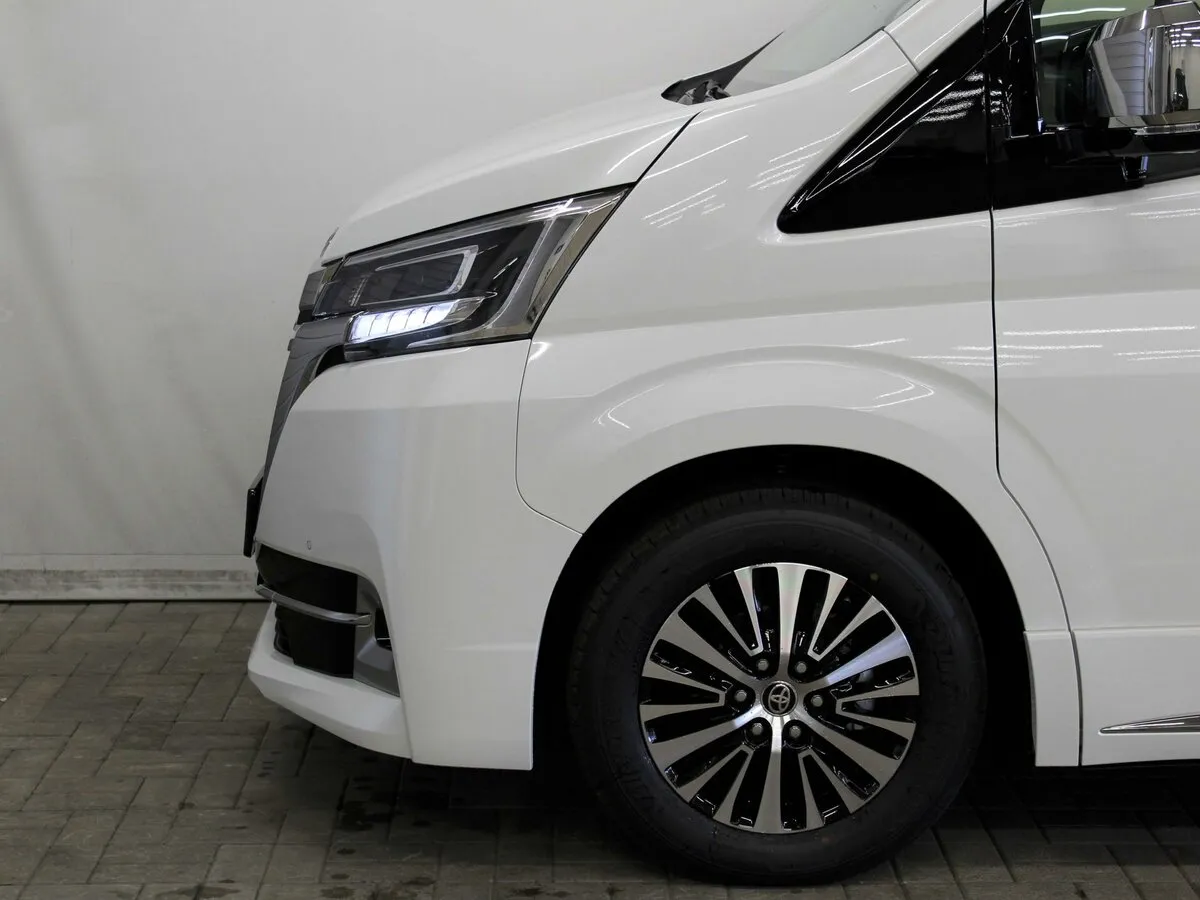
Standard H300 wheels are 15-inch steel or 16-inch alloy on commercial trims, and 17-inch on upper trims in certain markets. Because the Hiace is a one-tonne commercial with load ratings between 1,000 and 1,250 kg, wheel choice is load-index-critical: every fitment must carry the full GVM with safety margin. For VIP and show conversions we recommend 17x7.0 J ET38 or 18x7.5 J ET45 running 215/60 R17 or 225/50 R18 commercial-rated tyres — the 18-inch size is the upper sensible limit on the road-biased Wald Sports Line programme. For overland and camper builds the correct fitment is 16x7.0 J ET25 or 17x7.5 J ET20 running 215/70 R16 or 225/70 R17 light-truck construction (LT) tyres rated for the H300's axle loads. Recommended wheel brands: Action Wheels (van-specific 16- and 17-inch forged designs), RAYS Gram Lights 57DR-X in commercial load rating, Work Equip 16-inch JDM classics, and Method Race Wheels 701 for overland use. Recommended tyres: Maxxis AT-811 and Maxxis Bravo for mixed use, Michelin Agilis CrossClimate for European winter, and Toyo Open Country A/T III for Australian overland.
Performance — ECU, DPF & Exhaust
The H300's 2.8-litre 1GD-FTV turbodiesel is inherently tuning-friendly and responds very well to a clean ECU remap. Stage 1 (ECU only, stock hardware): 210–220 hp and 520–540 Nm from a 174 hp / 450 Nm base — this is the practical and reliable sweet spot and what we recommend to 90% of owners. Stage 2 (ECU plus larger intercooler and free-flow exhaust): 235–245 hp and 580 Nm — recommended only for highway-biased or heavily-loaded vans. The 3.5-litre 7GR-FKS V6 petrol is more conservative — Stage 1 gains around 20 hp (to roughly 300 hp total) from a remap plus intake and cat-back exhaust. Australian tuners Just Autos, Roo Systems and Berrima Diesel Service are the recognised 1GD specialists. DPF and AdBlue solutions are jurisdiction-sensitive — in Australia and the Middle East they're common, in the EU and Japan they're not legal for on-road use. Suspension upgrades are as important as the engine work: Old Man Emu BP-51 shocks, Dobinsons lifted leaf-pack kits, Ironman 4x4 bump-stop extensions, and Bilstein B6 for road-biased builds. Exhaust options from Manta Performance (Australia) and HKS (Japan) fit both engines.
Interior Conversions — From Van to Lounge
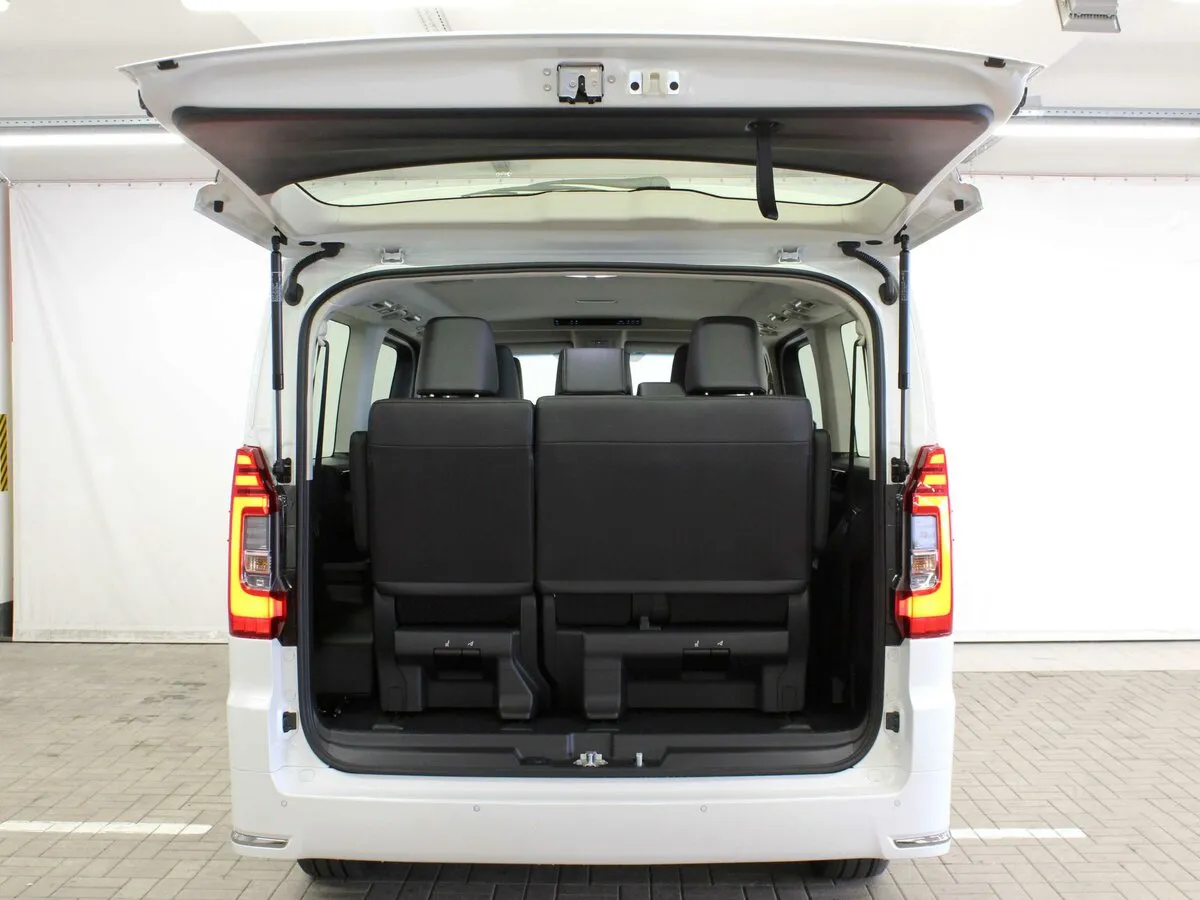
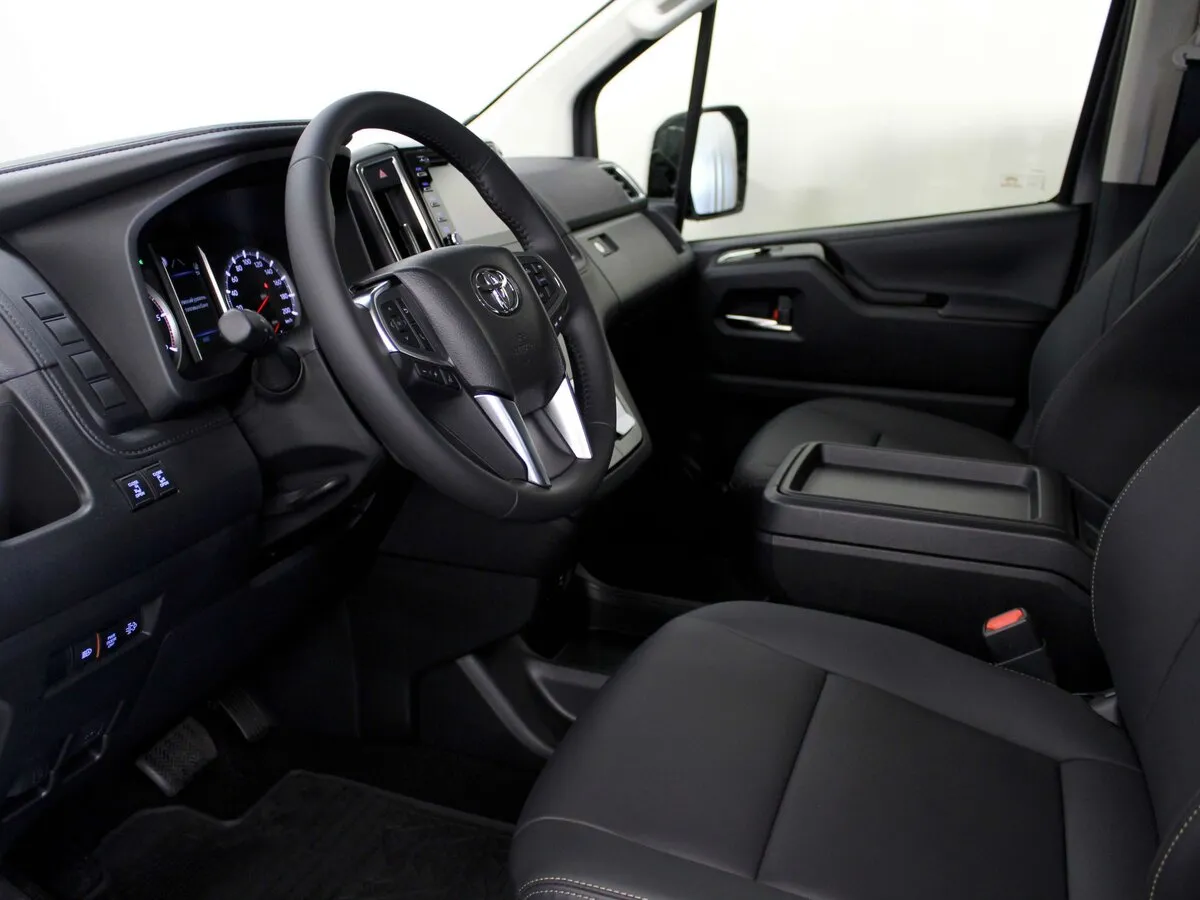
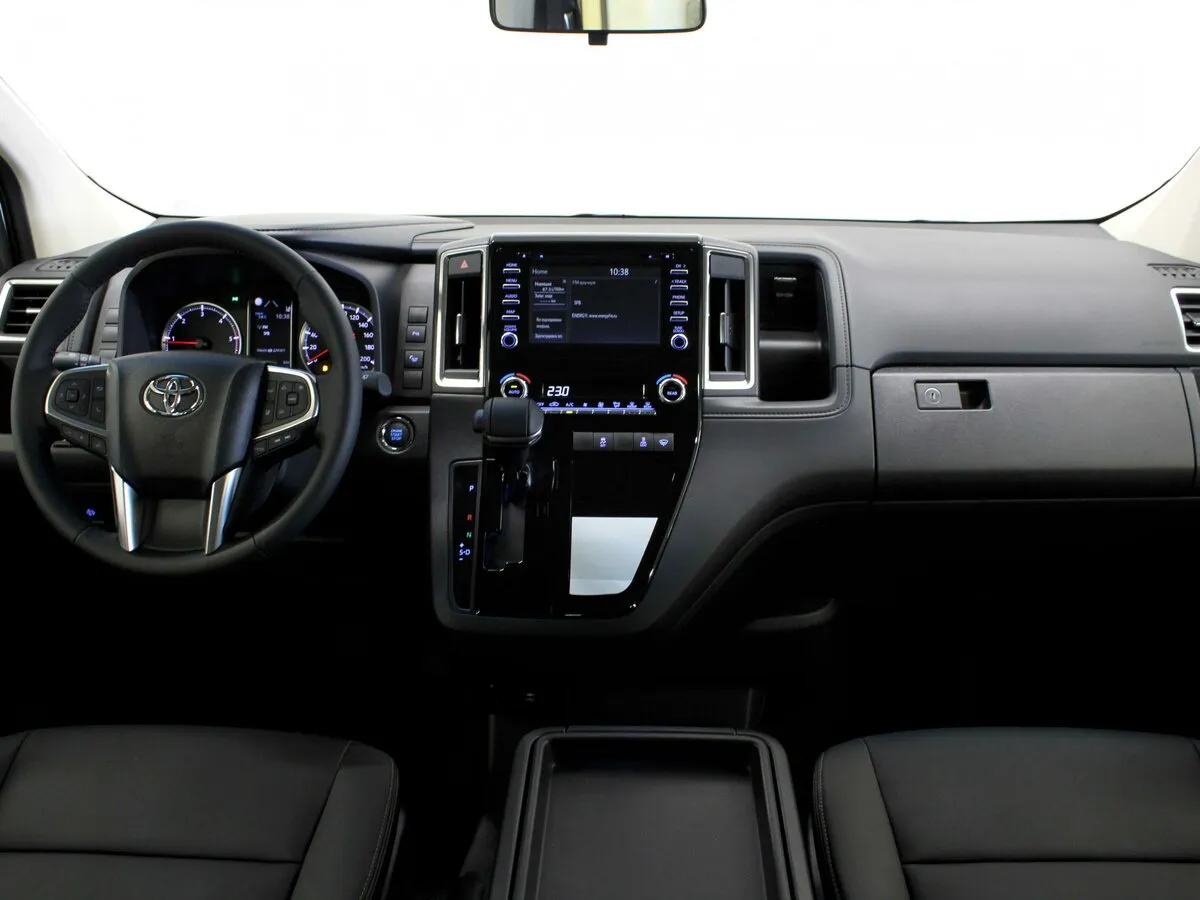
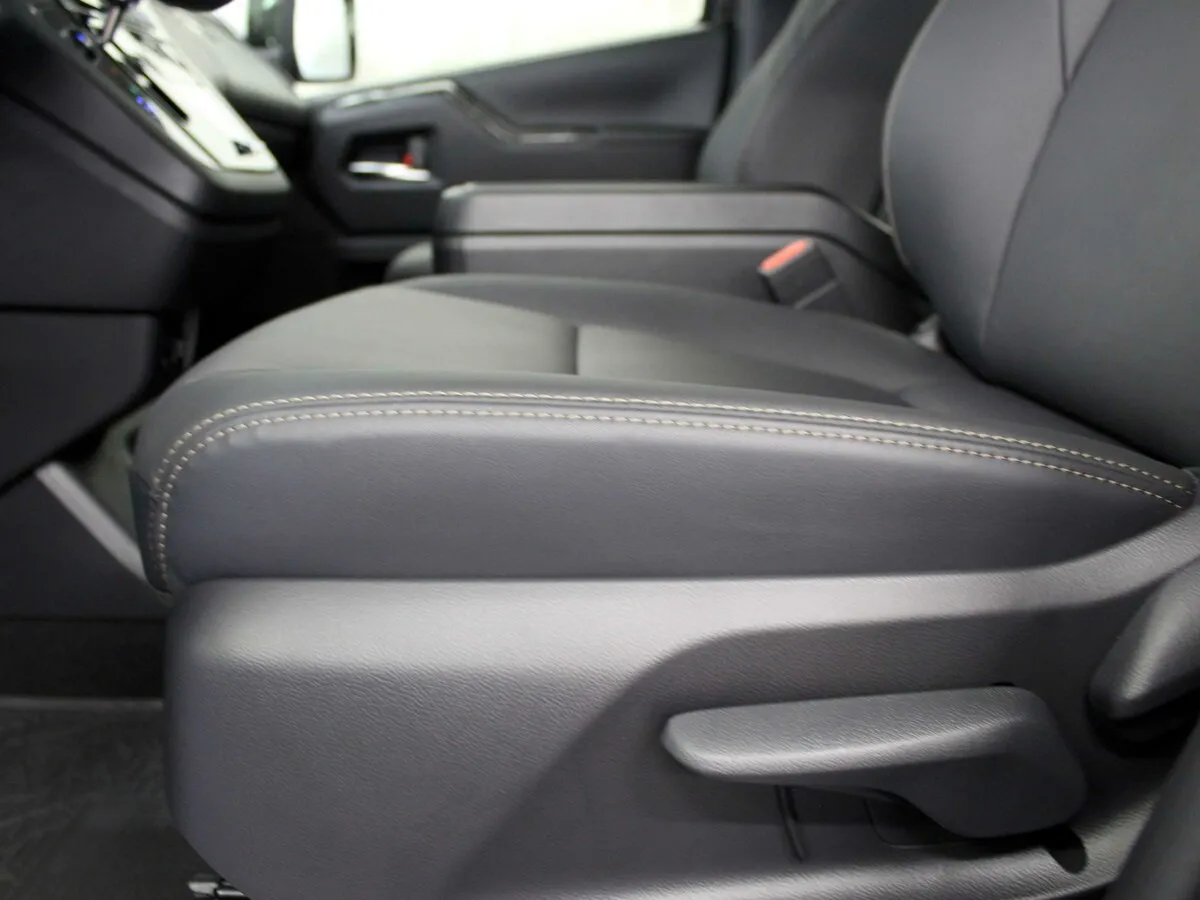
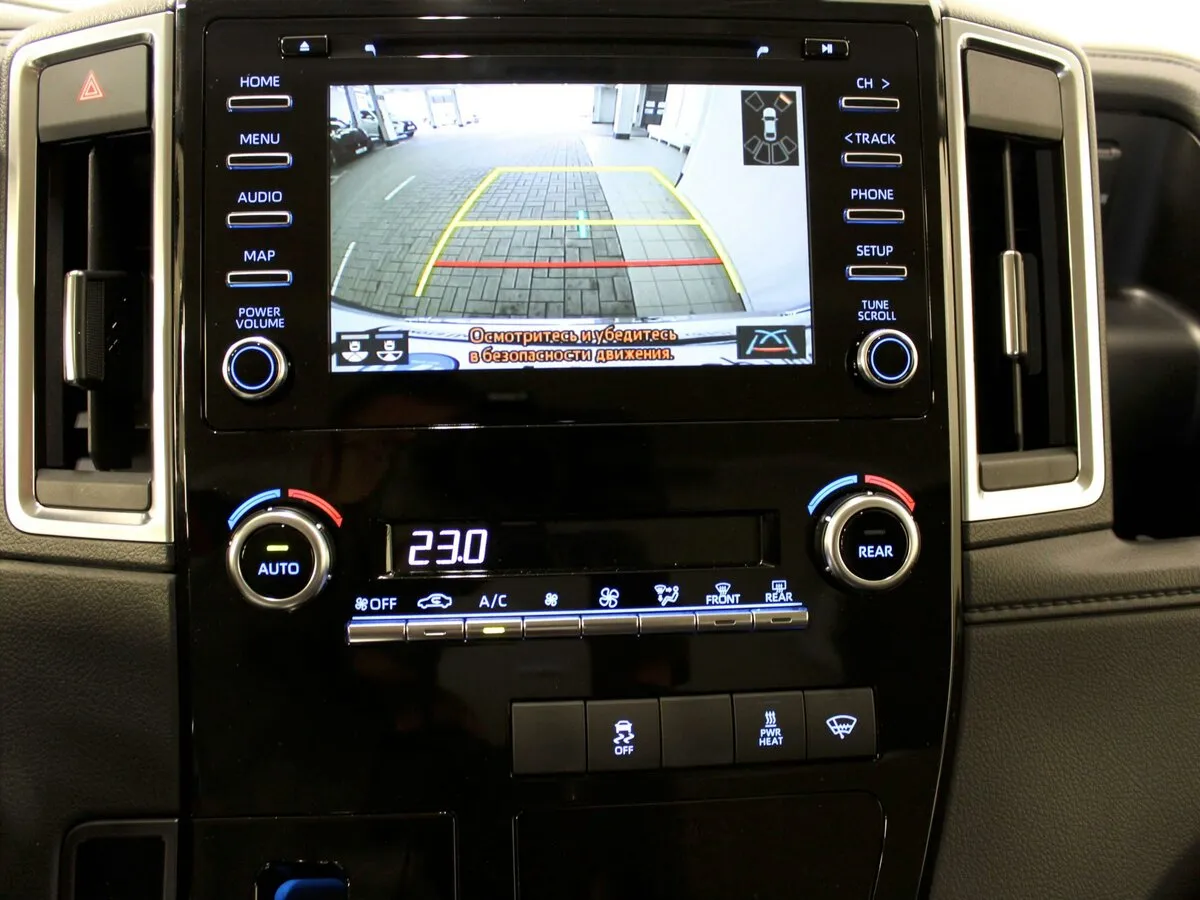
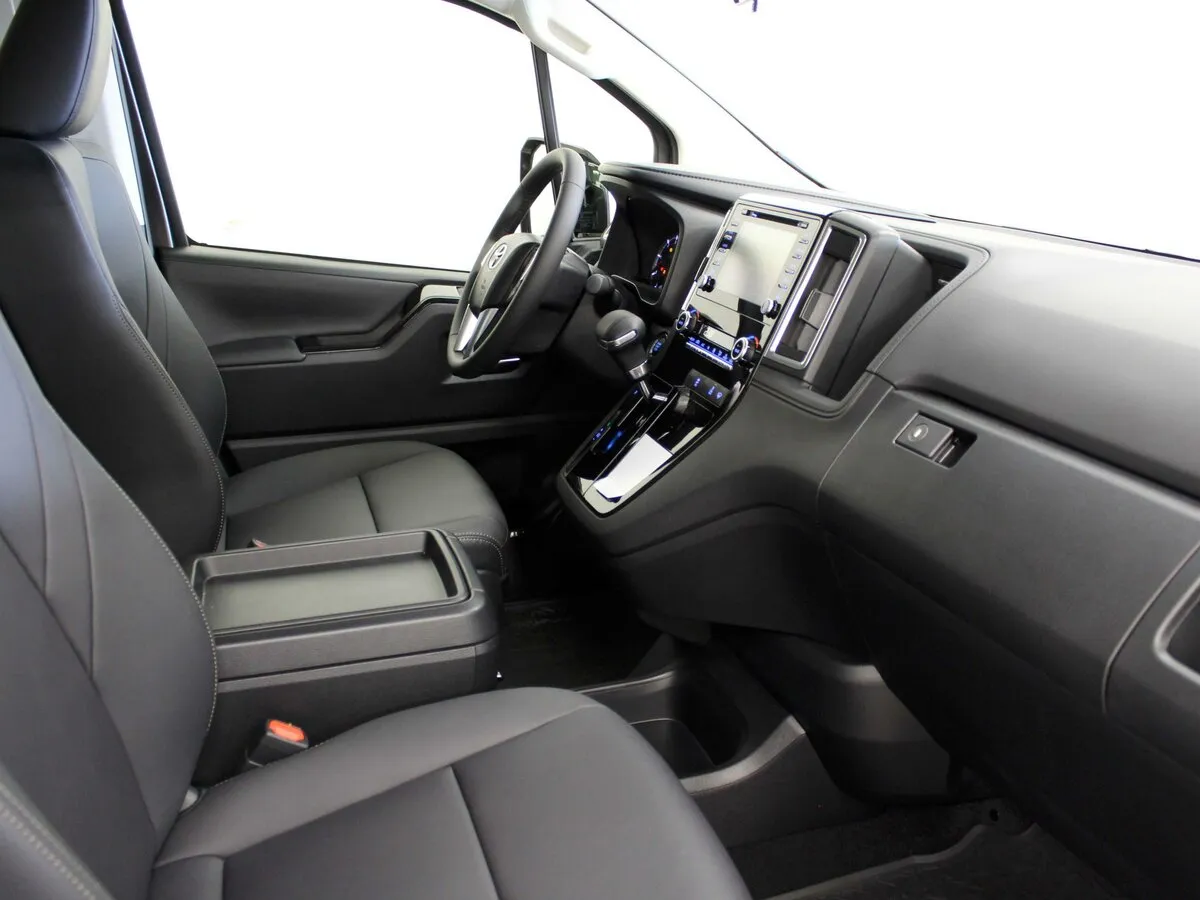
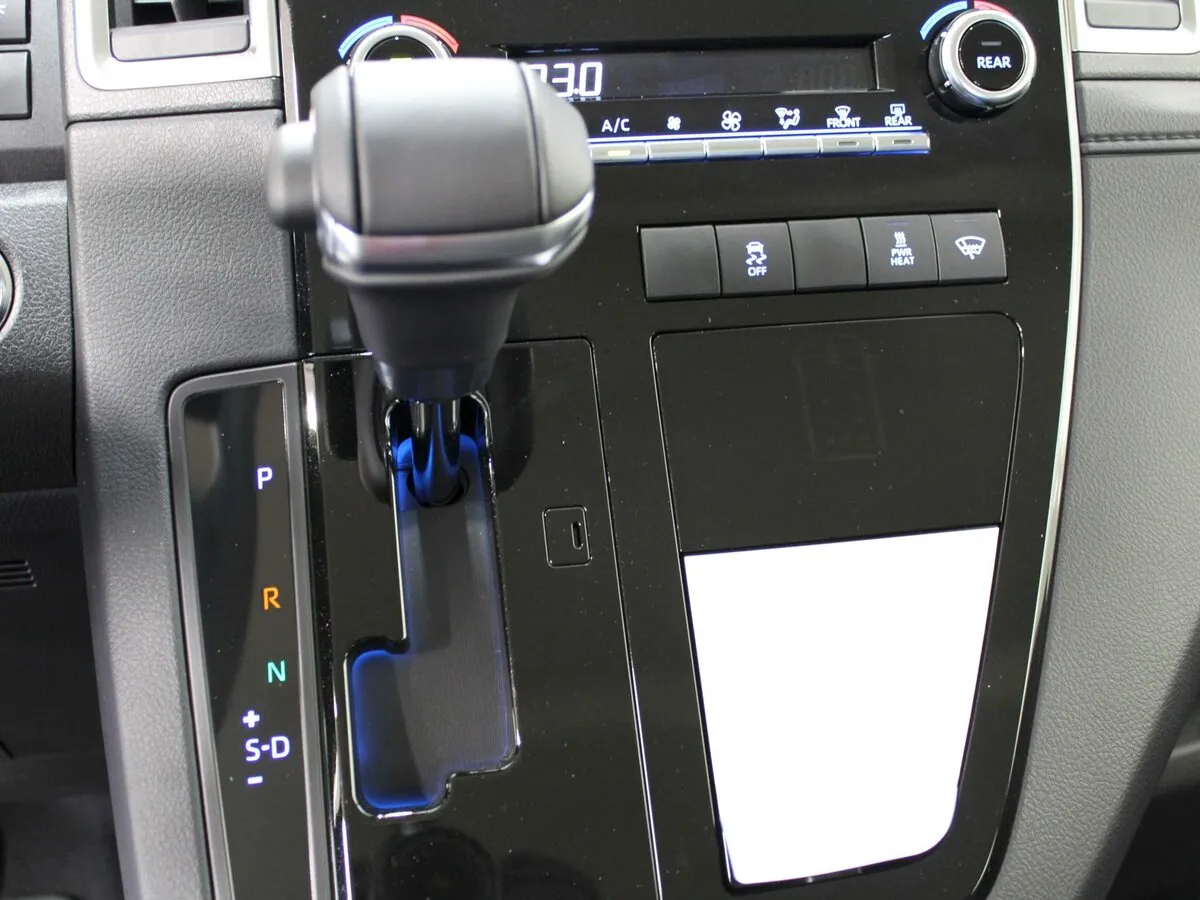
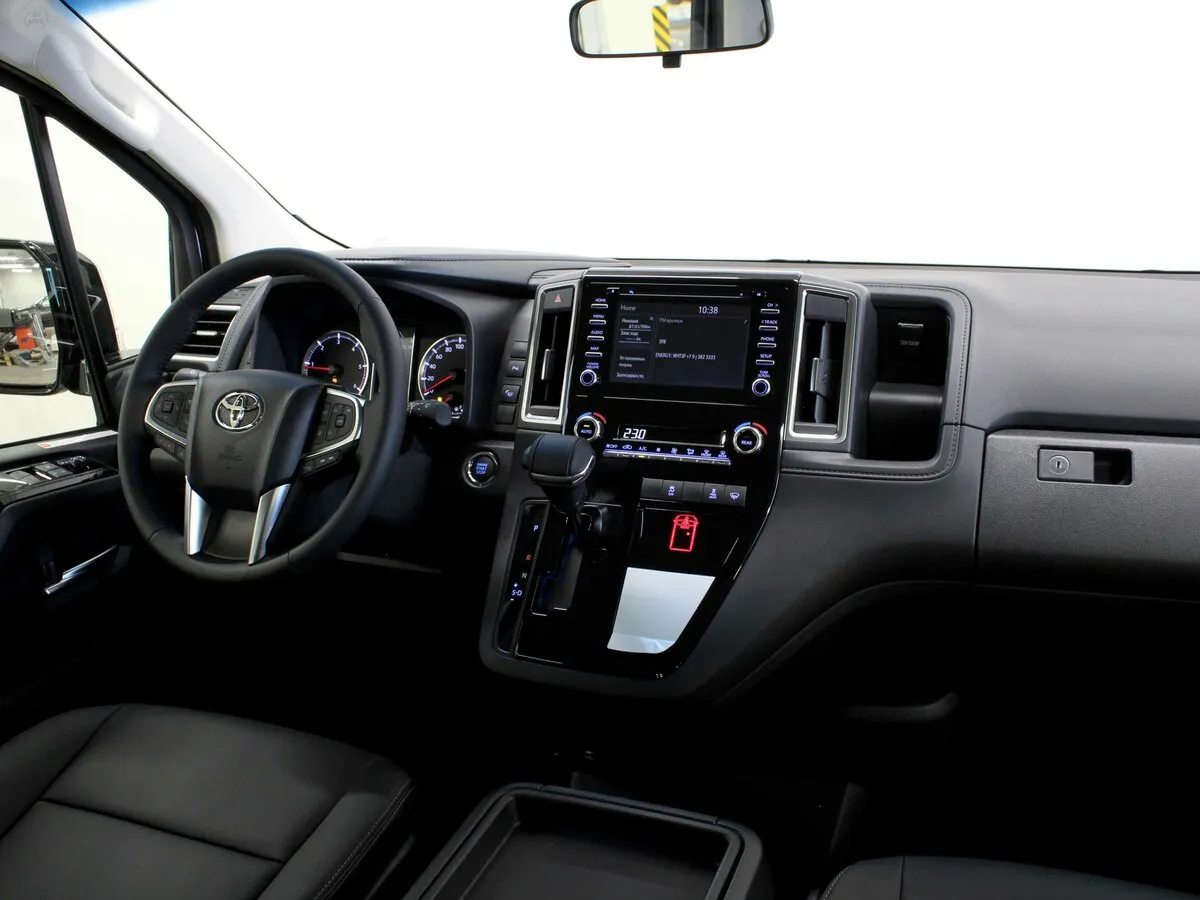
The H300 cabin in factory form is deliberately utilitarian — painted metal walls, vinyl floor, three-abreast cab bench. Transformation is where most owners spend the majority of the build budget: captain's chairs from Damd or Reborn, full leather or Alcantara retrim (Carlex, Vilner), ceiling-mounted LCD screens, ambient LED, insulation and sound-deadening, laminated wood flooring, and rear-compartment climate control. For camper builds the interior becomes a full living module — Trakka (Australia), Horizon Campervans and Outside Van produce turnkey H300 camper interiors with bed, kitchen, water and leisure-battery systems.
Tuning and Resale Value — H6_resale_impact
How tuning affects Hiace H300 resale depends heavily on which buyer pool you are selling into — and the H300 has three distinct ones. Commercial buyers (fleet operators, tradespeople, rental agencies) value stock condition above all else. Japanese second-hand auction prices for a clean, unmodified H300 diesel with full service history hold remarkably well: one- to three-year-old vans routinely retain 75–85% of list at auction, higher than any European rival. Any mechanical modification — ECU remap, removed DPF, aftermarket exhaust — immediately disqualifies the van from this buyer pool and can cut 20–30% from the sale price.
The VIP-shuttle and wedding-fleet market is the opposite. Mild styling in the form of a Modellista front spoiler, Wald forged wheels, tinted windows and Damd captain's-chair interior actively increases value with these buyers — a 2020 H300 with a tasteful Reborn conversion routinely sells for 15–25% more than a comparable stock van, because the next owner avoids the 8–12 week conversion wait. This is the best-case resale outcome for a modified Hiace. Aggressive conversions — full Carlex luxury interior plus Wald Sports Line widebody — are essentially bespoke and sell at the price the next VIP customer is willing to pay, which is unpredictable: sometimes above stock, sometimes below.
Camper and overland conversions lock the van into a third, much smaller buyer pool. A full Aluminess-plus-Old-Man-Emu-plus-Trakka camper build has no appeal to commercial or VIP buyers at all, but commands a clear premium with overland enthusiasts — expect the conversion cost to return 50–70% at resale depending on build quality and how recently it was completed. Guidance: keep mechanical changes reversible (switchable ECU maps, original exhaust retained, factory wheels stored), choose interior conversions from brands with resale recognition (Damd, Reborn, Carlex), and decide early which of the three buyer pools the van will be sold into — modifying for one pool locks out the other two.
Frequently Asked Questions
Is the Hiace H300 really the same platform family as the Hilux and Fortuner?
Yes — the H300 uses the Toyota IMV ladder-frame commercial platform, which also underpins the Hilux pickup and Fortuner SUV. That shared DNA means suspension components, axle assemblies, aftermarket off-road parts and the 2.8-litre 1GD-FTV engine are deeply compatible across the three vehicles. It does not share a platform with the Toyota Land Cruiser Prado 150 or Land Cruiser 200/300 — those are separate ladder-frame platforms with heavier-duty components and different suspension geometry. The Hiace, Hilux and Fortuner share their core "IMV" engineering; the Land Cruiser family does not.
Can I fit a 4WD conversion or a suspension lift to a stock 2WD H300?
Factory part-time 4WD is offered from the factory in Japan, Australia, and parts of Southeast Asia — buying a factory 4WD H300 is far less expensive and more reliable than retrofitting. If you already own a 2WD van, a lift is the practical alternative: Old Man Emu, Dobinsons and Ironman 4x4 all offer 40–50 mm leaf-spring lifts with matching Bilstein or Koni shocks. Combined with LT-rated tyres, this gives most overland travellers the clearance and load-carrying they need without converting to 4WD. Full 2WD-to-4WD conversions are possible but cost-prohibitive — if 4WD is essential, source a factory 4WD donor.
Will an ECU remap on the 1GD-FTV diesel affect reliability or emissions compliance?
Reliability: a conservative Stage 1 remap to 210–220 hp and 520 Nm is well within the 1GD's designed headroom and used daily in Australian Hilux and Hiace fleets with no measurable increase in engine wear. Stage 2 and DPF-removal territory start to stress the factory turbo and injectors — we recommend staying at Stage 1 for long-service-life vehicles. Emissions: DPF removal and AdBlue deletion are illegal for on-road vehicles in the EU, UK, Japan and most US states. In Australia, Gulf states and parts of Africa they are legal or unenforced. Always confirm local regulations before ordering — we fit compliant maps only where required by the destination market.
How much does a typical VIP-conversion H300 build cost start to finish?
A mid-spec VIP conversion — Modellista front spoiler and side skirts, 18-inch forged wheels on commercial-load tyres, tinted glass, full Damd or Reborn captain's-chair interior with LCD screens and ambient LED, plus Stage 1 ECU remap — typically lands in the 18,000–28,000 euro range on top of the donor vehicle, with a 6–8 week conversion window. A full Carlex Design luxury interior with hand-stitched leather, solid-wood floor, electrochromic partition and executive rear seating plus Wald Sports Line exterior widebody runs 55,000–85,000 euros and a 10–14 week build. A complete Aluminess overland camper with Old Man Emu lift, roof rack, rear swing-arm bumper and turnkey Trakka camper interior lands in the 45,000–70,000 euro range depending on habitation spec. We quote all three specifications including worldwide shipping to your country.
Email [email protected] with your VIN (or intended donor spec), destination country and target use case — VIP shuttle, family van, or overland camper. We reply within 24 hours with a full itemised quote, lead times and shipping options.