Porsche Panamera 4 (971) Tuning Guide 2026 — Body Kits, Wheels & Performance


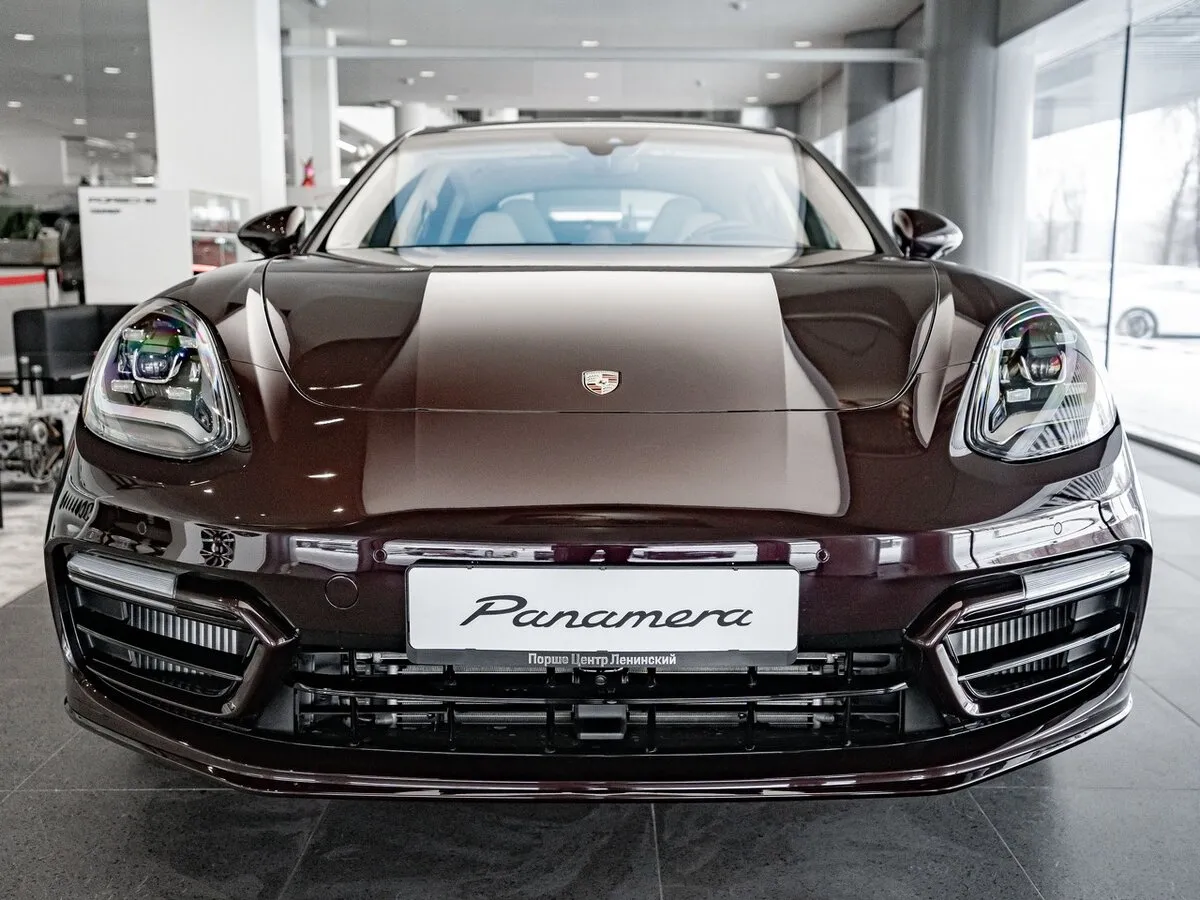
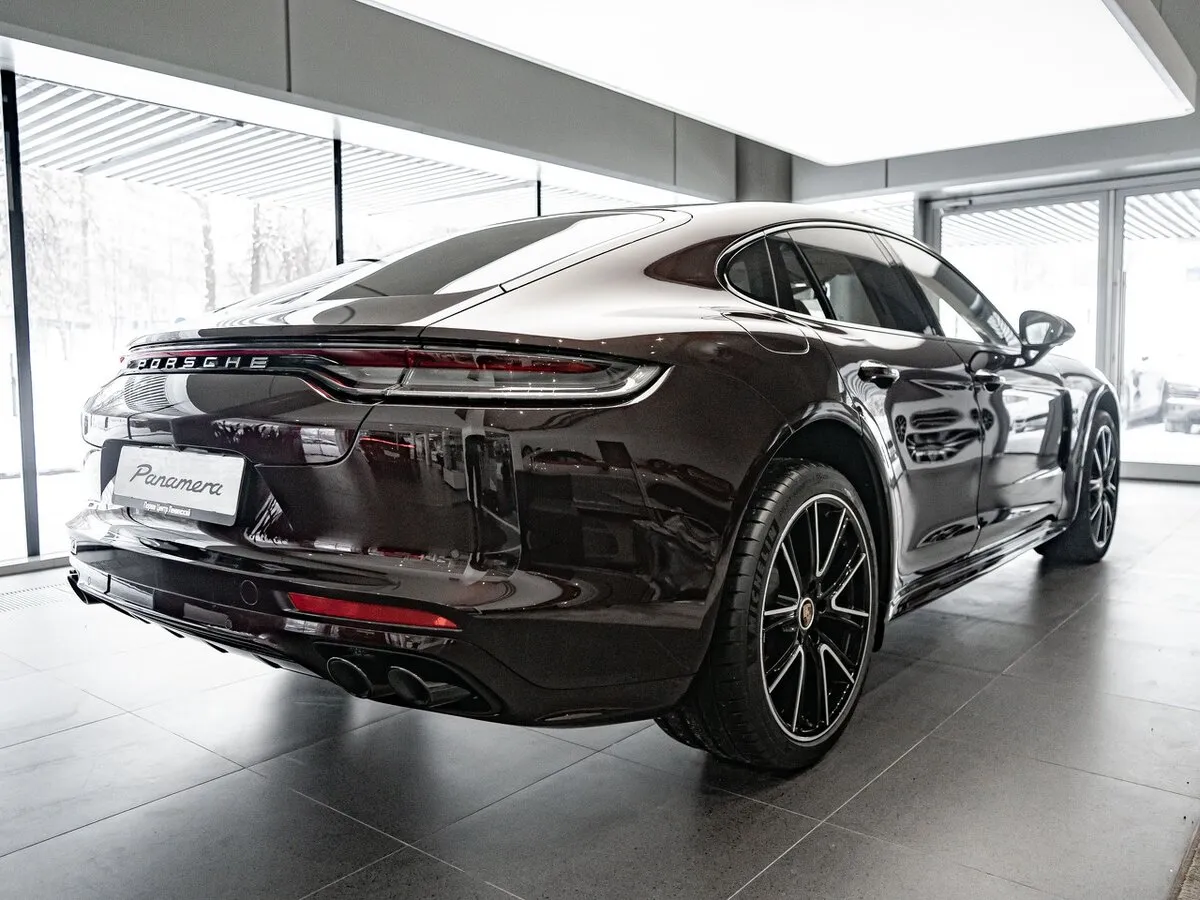
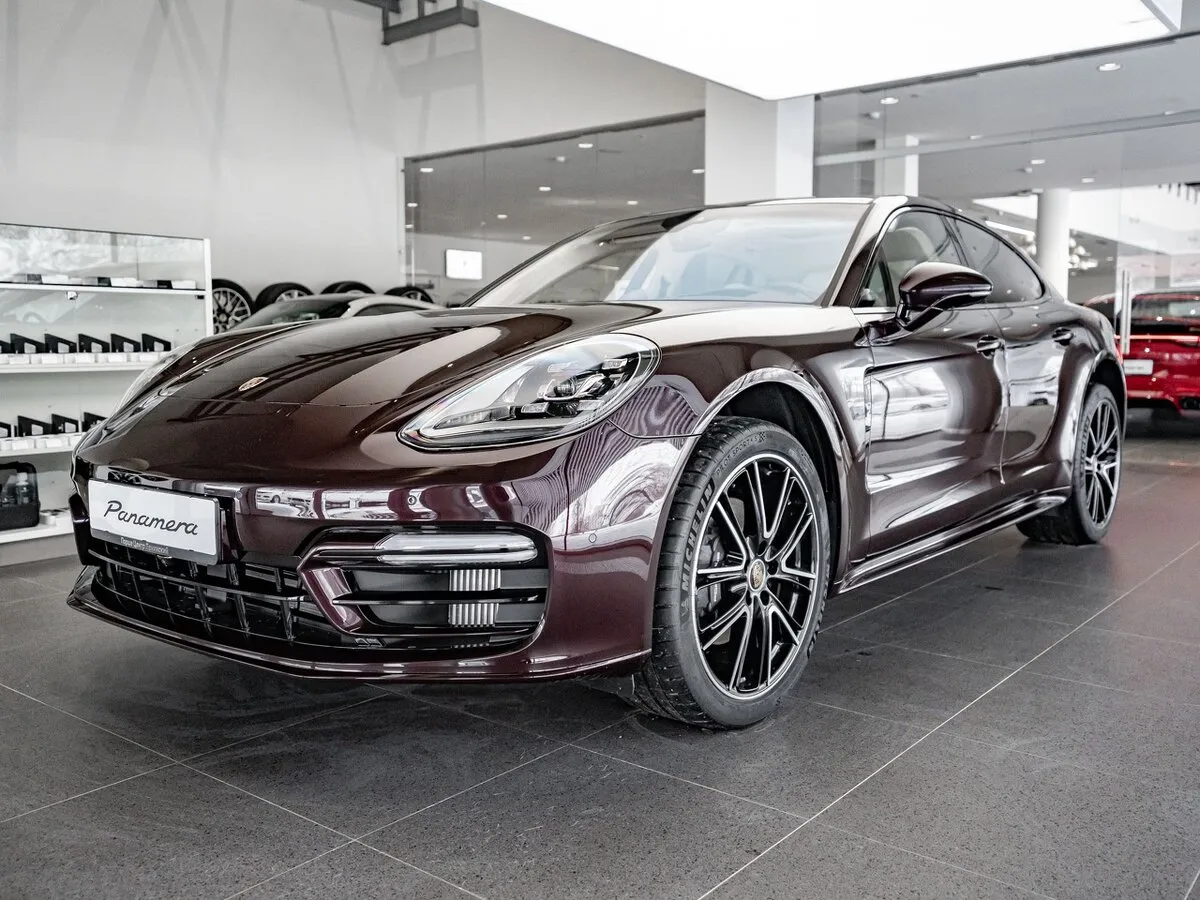
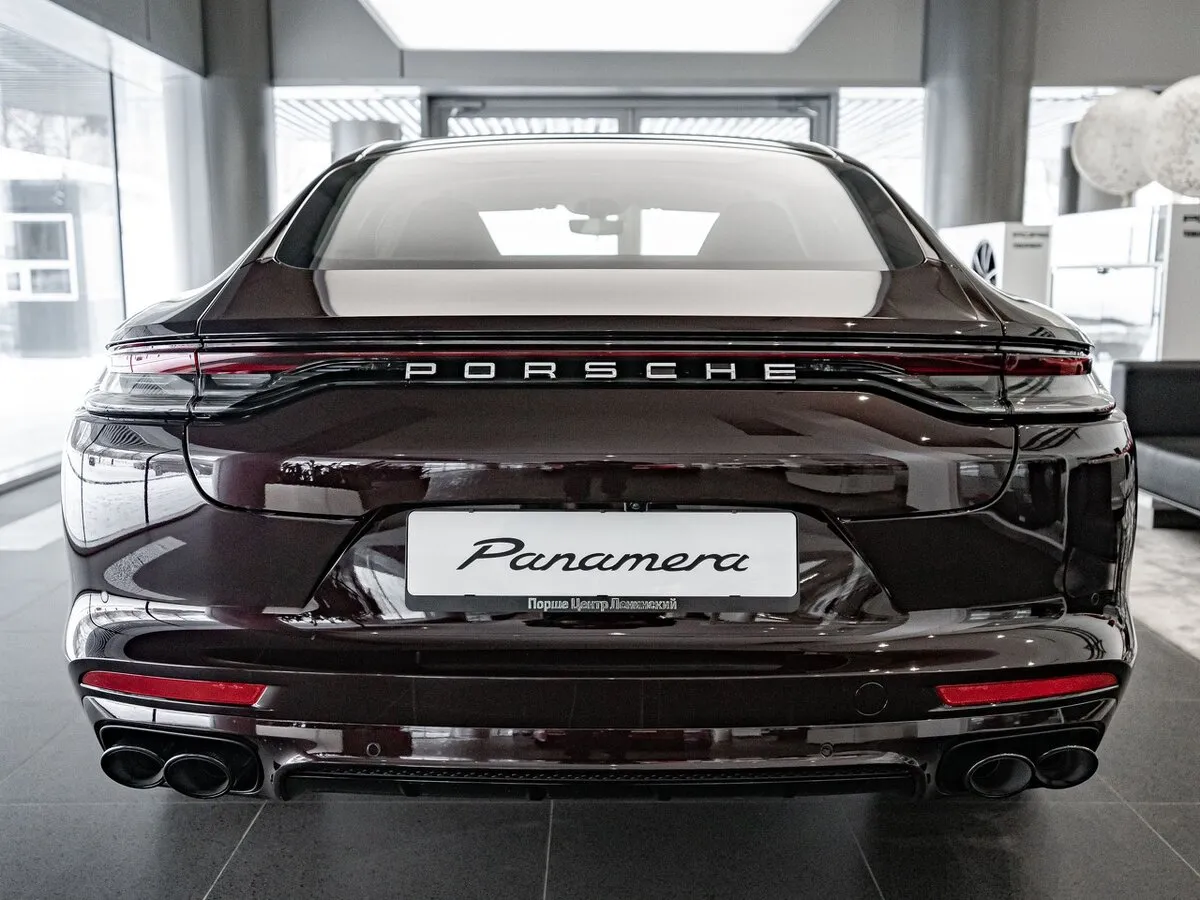
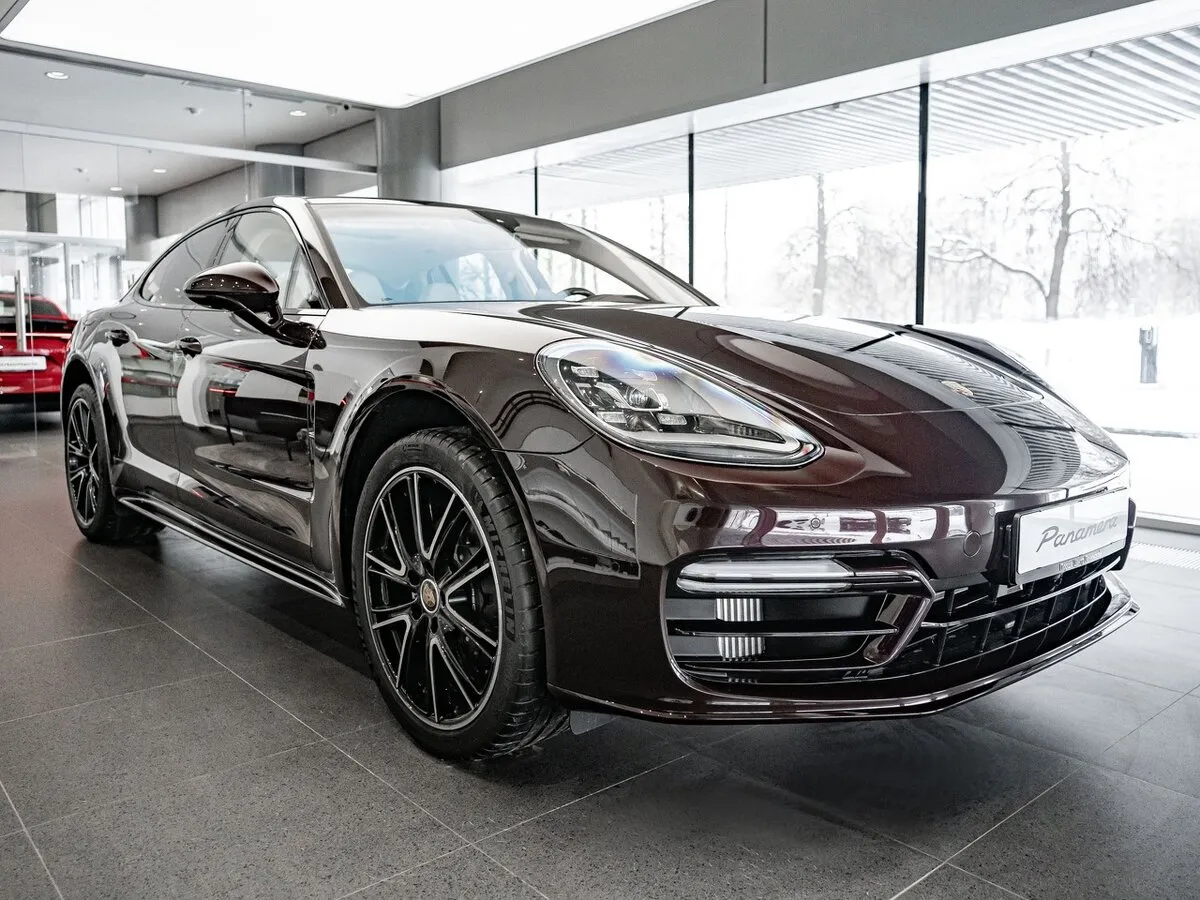
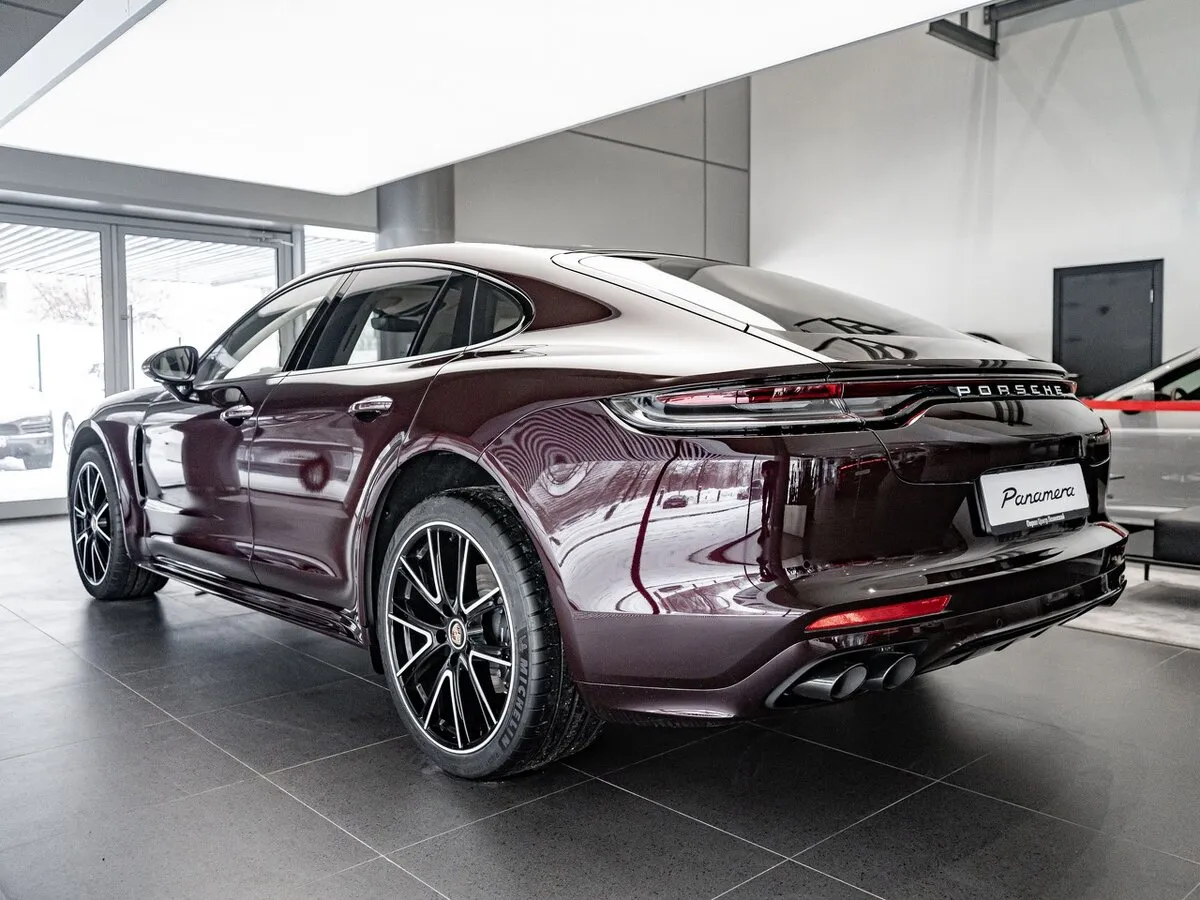
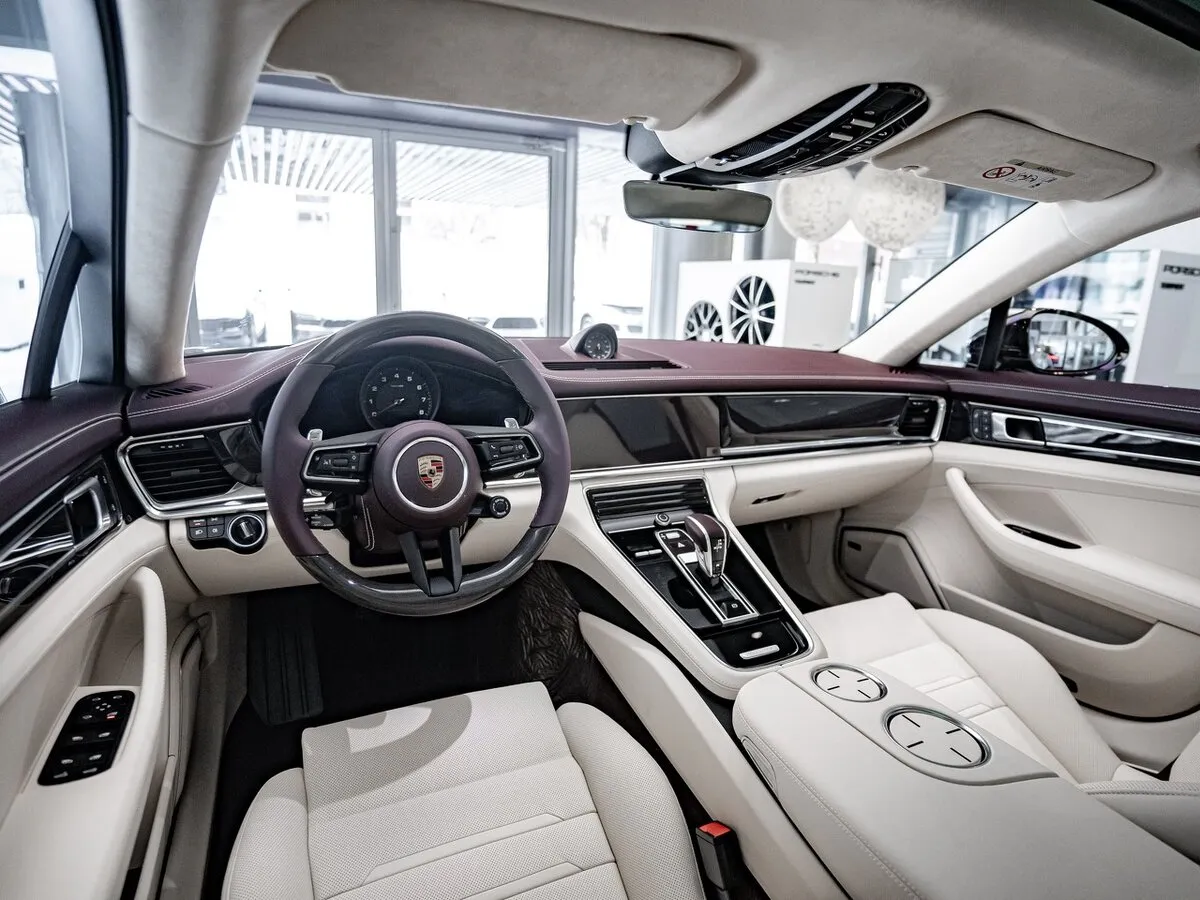
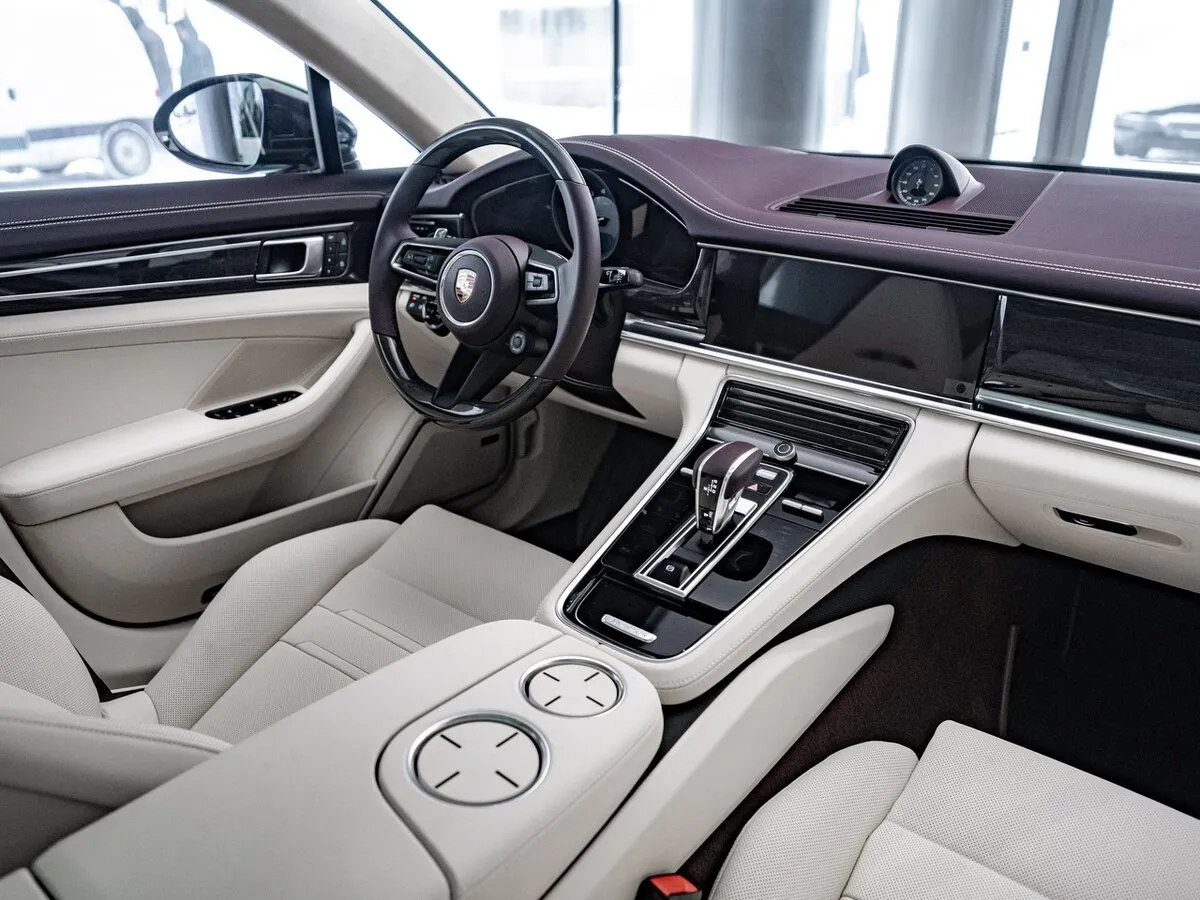
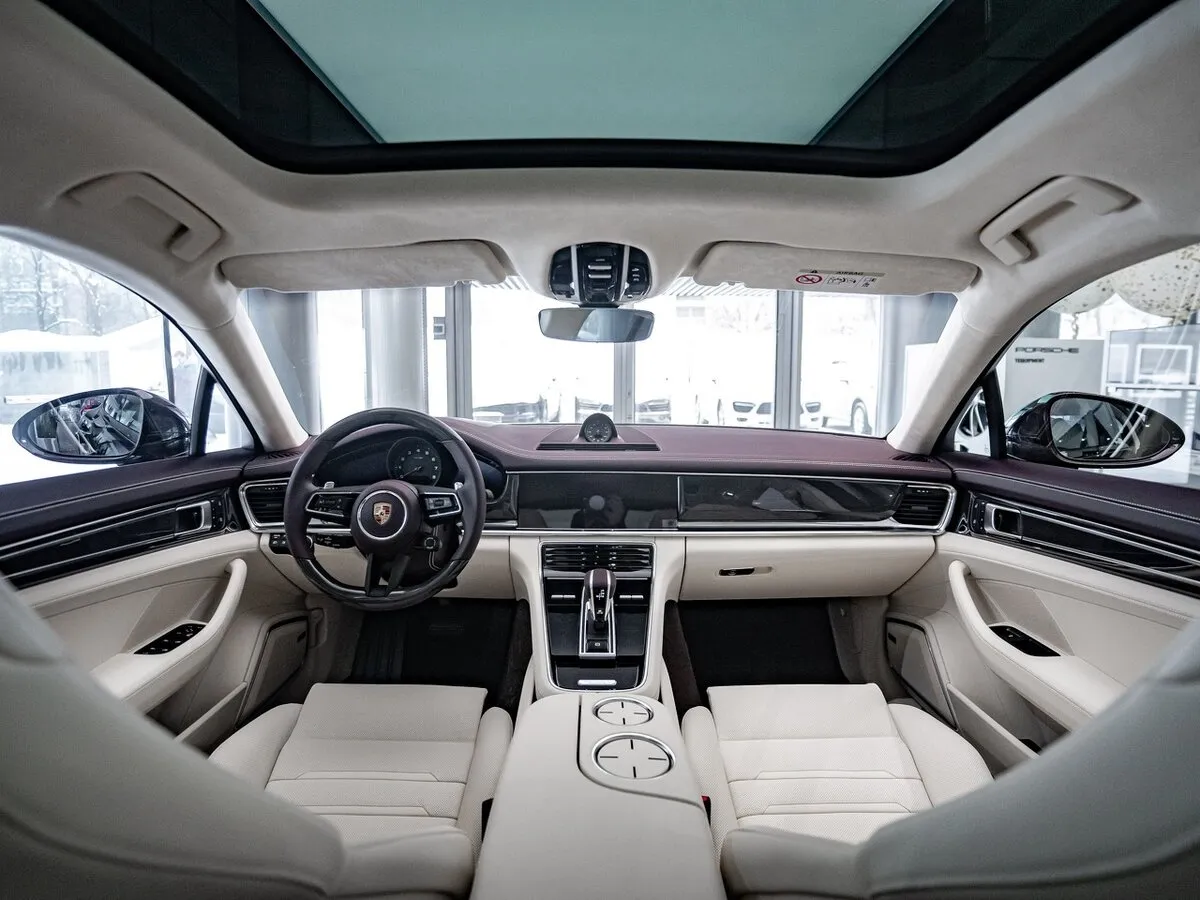
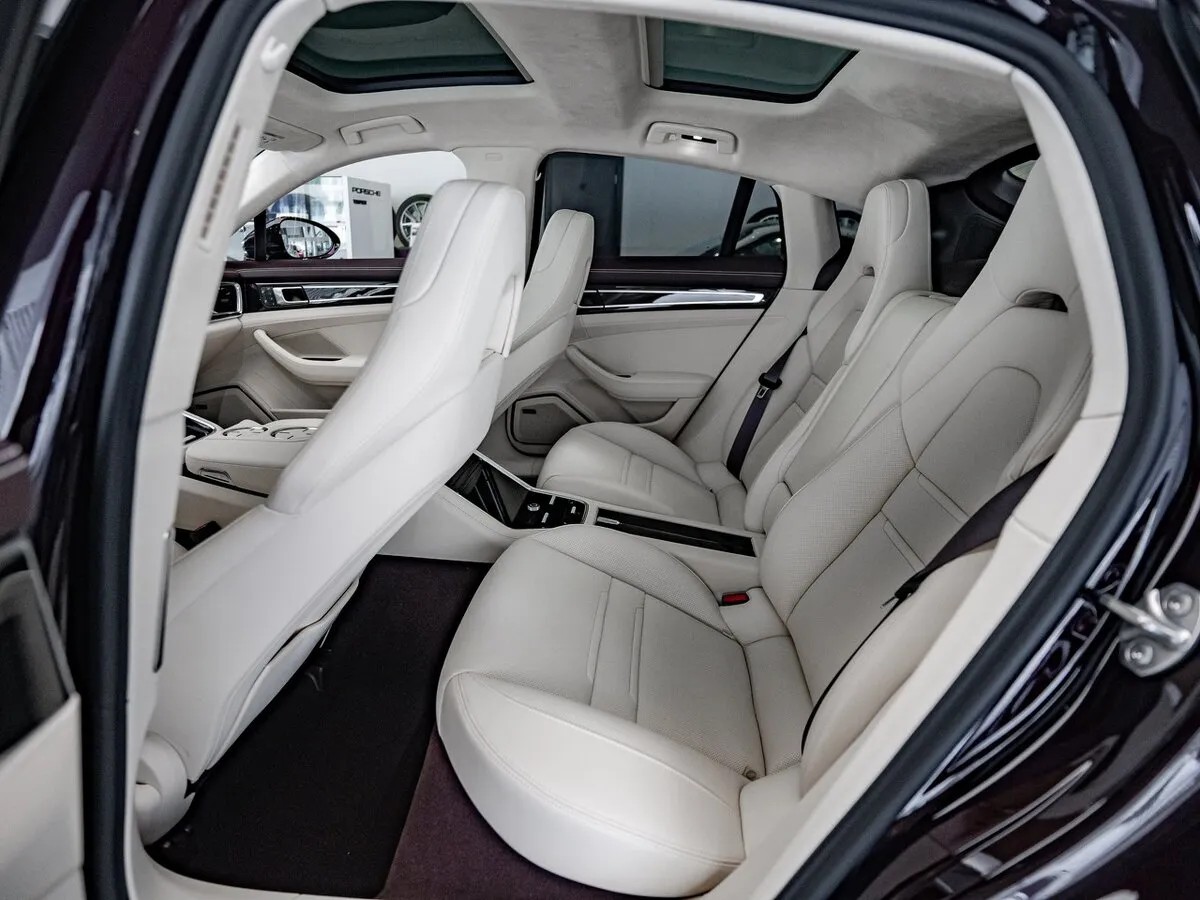
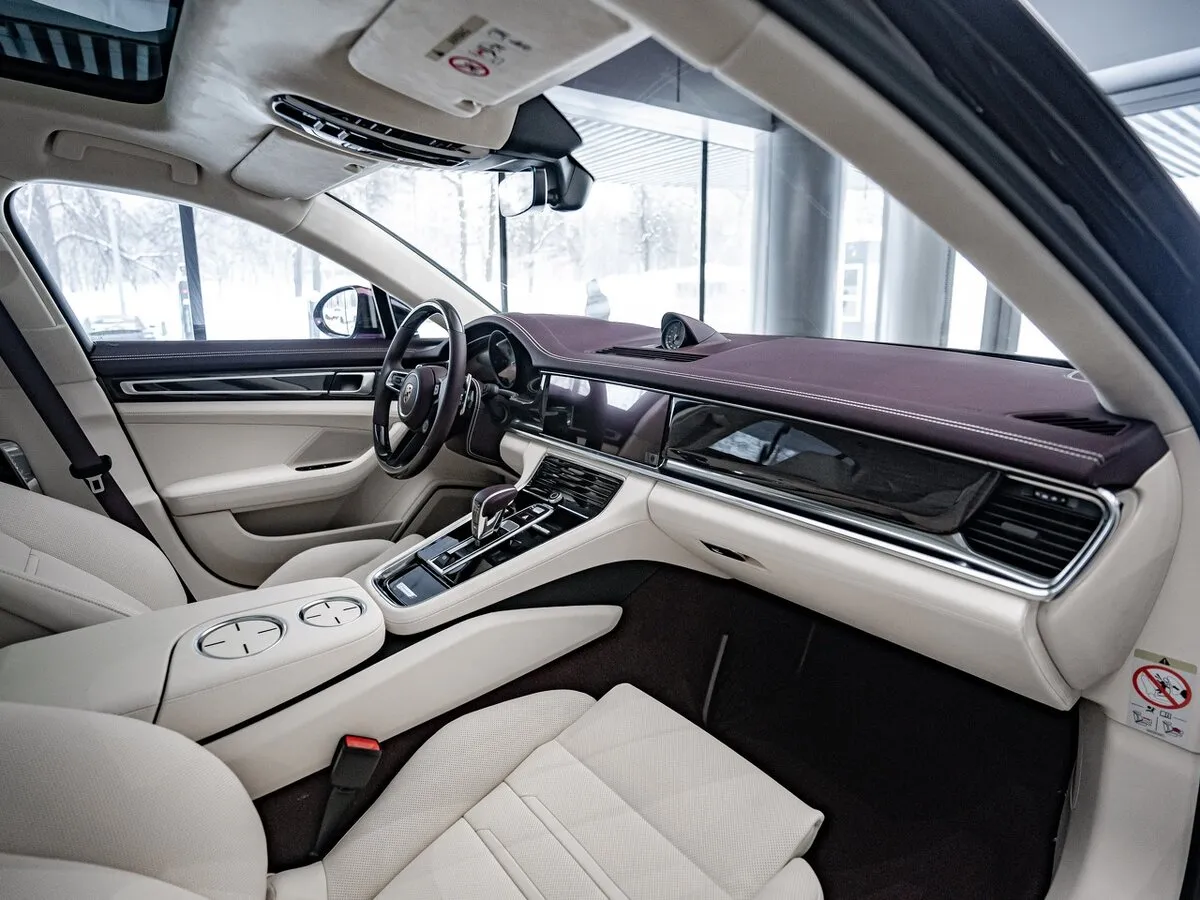
The Porsche Panamera 4 (second-generation 971, launched 2017; facelift 2020; third generation revealed 2023) is the all-wheel-drive grand tourer that Porsche built when it finally decided to take the four-door seriously. Where the first-generation Panamera was controversial in proportion, the 971 is a genuinely beautiful car — a long hood, a low-set cabin, a fast rear glass that drops cleanly into the rear haunches, and an interior that reset the bar for the segment. The Panamera 4 trim pairs Porsche's 2.9-litre twin-turbo V6 with permanent all-wheel drive and the 8-speed PDK dual-clutch transmission, making it the sweet-spot specification for most buyers — 330 hp is plenty for a Grand Tourer of this class, and the AWD hardware delivers genuine usability in northern-European winters. This guide covers every meaningful upgrade available for the Panamera 4 (971): body kits from TechArt, Mansory, Hofele, Lumma and TopCar, forged 21-22" wheels in the correct specifications, Stage 1/2 ECU work on the EA839 V6, and the suspension, exhaust and interior options that actually matter.
Panamera 4 (971) — Key Specifications
Platform Overview
The 971 rides on Porsche's own MSB (Modular Standard platform) — a front-engined, rear-biased architecture developed in Zuffenhausen and also adopted by the Bentley Continental GT and Flying Spur. That is a critical detail for tuning: the MSB is not a shared VW Group cost-saving platform but a Porsche-led engineering programme, which means aftermarket parts developed for the Panamera 971 largely do not transfer to MLB Evo cars (Cayenne, Q7, Urus) — but they absolutely do transfer to Bentley Continental GT builds, and vice versa. The 2.9-litre EA839 V6 in the Panamera 4 is the same engine family used across the VW Group (Audi RS5, RS4, S6), but in the Panamera it is tuned to 330 hp with specific intake and exhaust geometry for the longitudinal MSB installation. That common engine architecture means ECU tuning knowledge crosses over freely, even though the body and chassis parts do not.
Body Kits
TechArt GrandGT — the reference Panamera programme
TechArt is the most established Porsche-only tuner on earth (Leonberg, Germany, 1987), and the GrandGT programme is its flagship Panamera 971 body and interior package. The GrandGT kit includes a full redesigned front apron with enlarged intercooler intakes, subtle fender flares (roughly +20-30 mm per side, depending on configuration), a carbon or painted rear diffuser, new side sills and a restyled rear spoiler extension. Each panel is delivered in PUR-RIM material to Porsche's OEM specification, in the customer's VIN-matched factory paint, with factory-grade gap tolerances. TechArt co-develops the aerodynamics with its own forged Formula wheel range so the stance is resolved; the GrandGT also ships with a complete interior programme (leather retrim, carbon trim, alcantara headliner, TechArt steering wheel). This is the Panamera kit to choose if you want a restrained, tasteful upgrade that Porsche specialists will install without argument and that will not upset the residual value of the car.
Mansory carbon widebody — the loud option
Mansory's Panamera widebody programme (offered for both the 970 and 971 generations) is the theatrical alternative to TechArt. It swaps the factory panels for full exposed twill-carbon fender flares (roughly +50 mm per side), a carbon front lip with canards, carbon bonnet vents, a carbon roof spoiler and an enormous carbon rear diffuser. The kit pairs with Mansory's own forged 22-inch wheels and a fully bespoke interior retrim in any combination of leather, Alcantara and carbon. Mansory-built Panameras are the cars you see in Monaco, Dubai and Mayfair; they are aggressively finished and visually uncompromising. Fitment requires the full bumper drop, paint-match verification and ride-height recalibration via PIWIS after install.
Hofele Design — elegant executive treatment
Hofele Design offers a more formal, executive-focused Panamera programme — a tidier front apron, bright-metal window surrounds, restyled side sills and a discreet rear diffuser, paired with Hofele's 21-inch forged wheels. This is the kit to specify if the Panamera is chauffeur-driven, or if the owner wants a noticeable but restrained upgrade — the visual language reads "diplomatic" rather than "sporty". Panel quality and paint-match are among the best in the Panamera aftermarket.
Lumma CLR 720 — aggressive GT stance
The Lumma CLR 720 is Lumma Design's widebody treatment for the Panamera 971. It features deeper front and rear aprons, broad fender flares, a ducktail-style rear spoiler and Lumma's trademark large forged 22-inch wheels. Visually it sits between the understated TechArt and the theatrical Mansory — aggressive, lowered, very "Euro GT", and a natural match for a gloss-black or PTS (Paint to Sample) colour. The CLR 720 has been a popular choice for the 971 generation since facelift-era cars arrived on the aftermarket circuit.
JE Design & TopCar — specialist alternatives
JE Design offers a lighter-touch carbon front lip, side sill and rear spoiler programme for the 971, aimed at owners who want visible carbon details without a full widebody commitment. TopCar Design (Moscow) offers the Panamera "Stingray" package, a more flamboyant treatment with a reprofiled nose, custom air intakes and quad-outlet centre-exit exhaust integration. Both programmes suit customers who want a distinctive Panamera without stepping into full TechArt or Mansory pricing.
Wheels
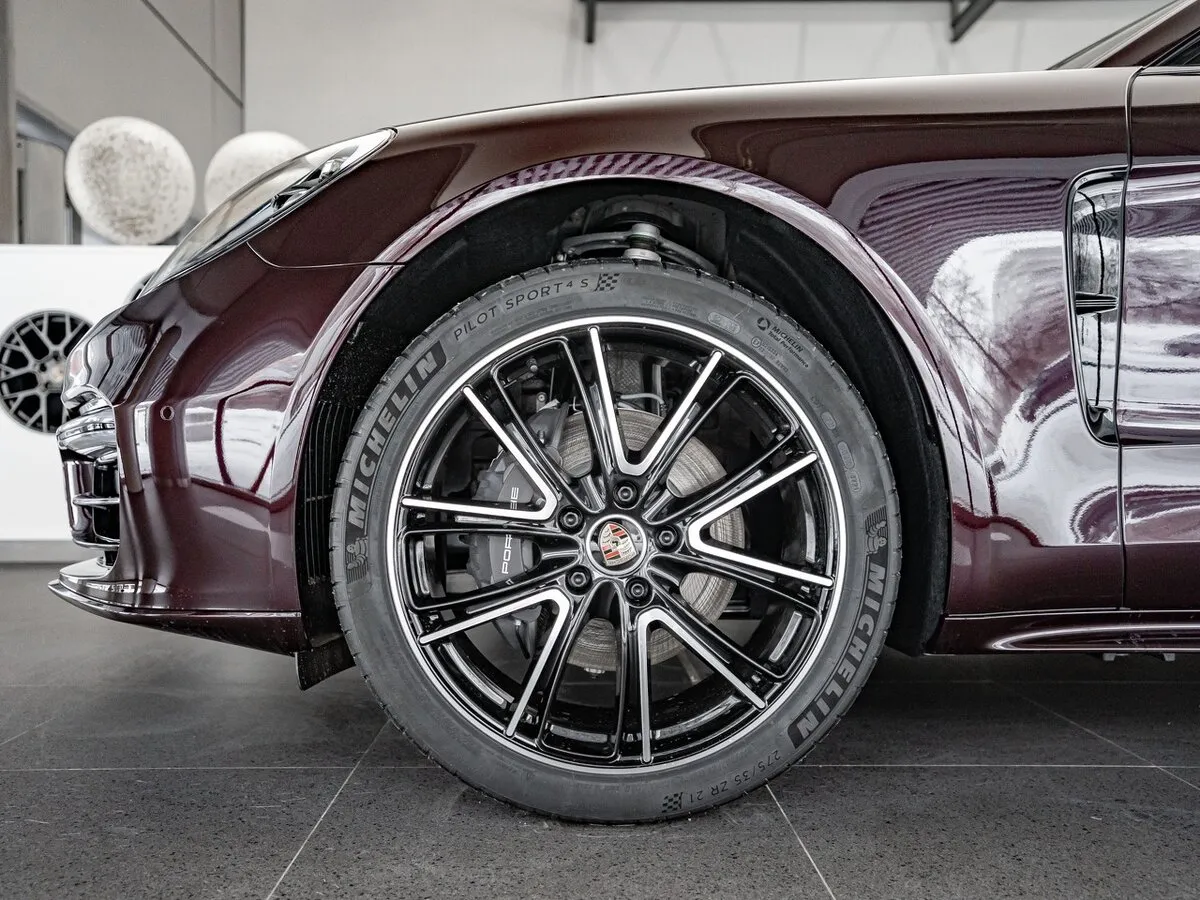
The Panamera 971 runs a 5x130 PCD with a 71.6 mm centre bore — the Porsche-specific pattern also used on the 911 and Cayenne. Factory fitments are 19-inch or 20-inch, with 21-inch on the Turismo Sport Design package. Aftermarket builds typically go to 21 or 22 inch; 23-inch is aesthetically possible but punishes the ride quality noticeably (see the PASM tech block below). The practical sweet spot is 21×9.0J ET26 front, 21×10.5J ET44 rear, wrapped in 265/40 ZR21 front and 295/35 ZR21 rear — that clears factory suspension geometry without aggressive arch trimming. For widebody builds (TechArt GrandGT, Lumma CLR 720, Mansory) step to 22×9.5J ET38 front / 22×11.5J ET50 rear with 265/35 ZR22 and 315/30 ZR22. Recommended forged options: HRE FF21 and P1SC, ADV.1 5.0 MV.2, Vossen Forged HF and S17 series in 21-22 inch, and TechArt's own Formula V or Formula VII range. Always specify forged construction — the Panamera's mass (nearly 2 tonnes) will stress cast wheels under hard braking. Budget 10-16 weeks for a custom-spec forged set and insist on Porsche-compatible TPMS valve stems (433 MHz).
Performance
The 2.9-litre EA839 twin-turbo V6 in the Panamera 4 responds extremely well to ECU work — it is the same block used across the VW Group and has a mature tuning ecosystem. A clean APR Stage 1 ECU flash takes the Panamera 4 from 330 hp / 450 Nm to approximately 390 hp and 540 Nm on 98-octane, with no hardware changes and the PDK transmission remapped to tolerate the extra torque. Litchfield in the UK offers a comparable Stage 1 calibration plus a more aggressive Stage 2 package at around 420 hp when paired with a high-flow downpipe and decat or sport cat. Manhart Performance offers a more comprehensive programme for owners who want to push further — Manhart's Panamera MH3 450/500 conversions combine ECU, downpipes, intercoolers and exhaust for reliable 450-500 hp territory. For exhaust-only upgrades, the Akrapovic Slip-On Line is the gold standard: titanium construction, valve-controlled, perfect fit, TÜV-approved and around 12 kg lighter than the factory system. Capristo and Armytrix are credible alternatives at slightly lower price points, both with valvetronic integration and EU/UK homologation.
Suspension & Interior
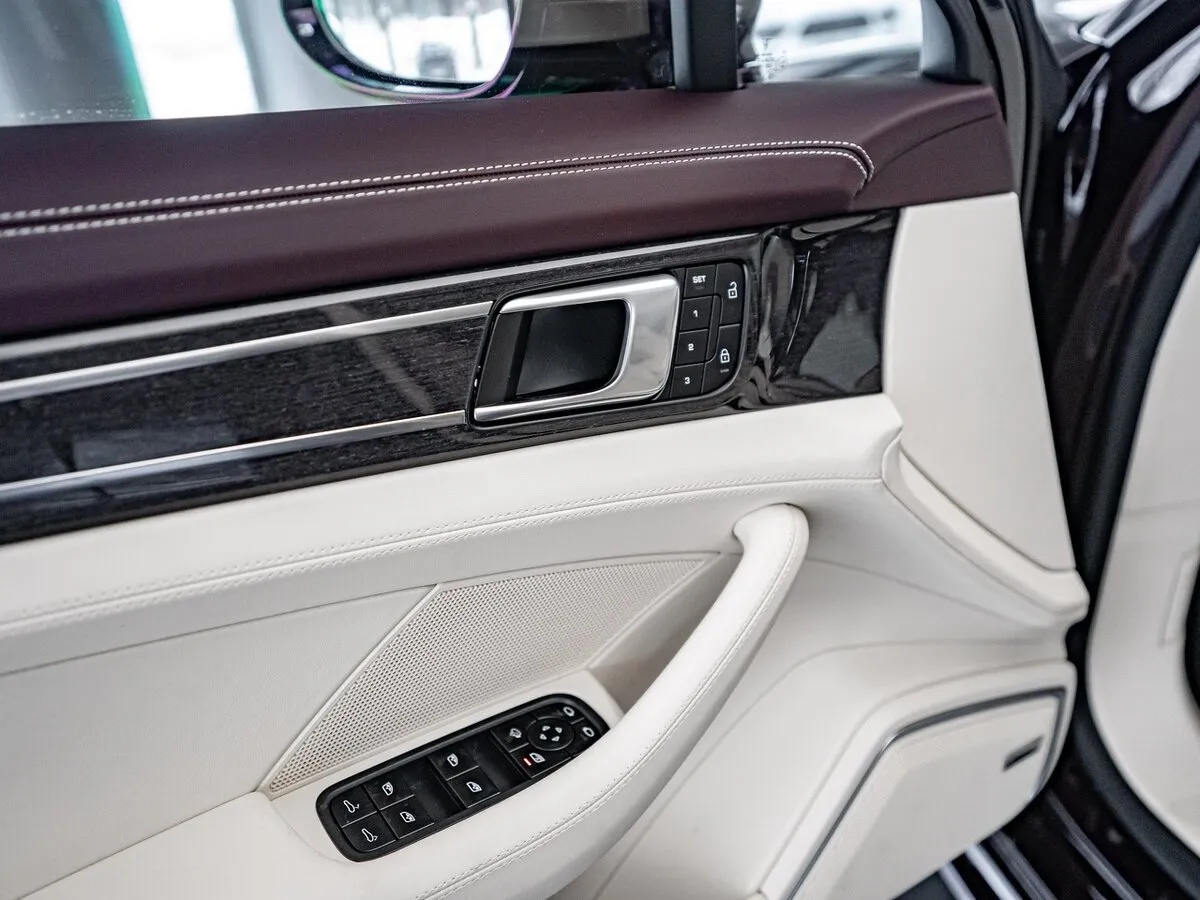
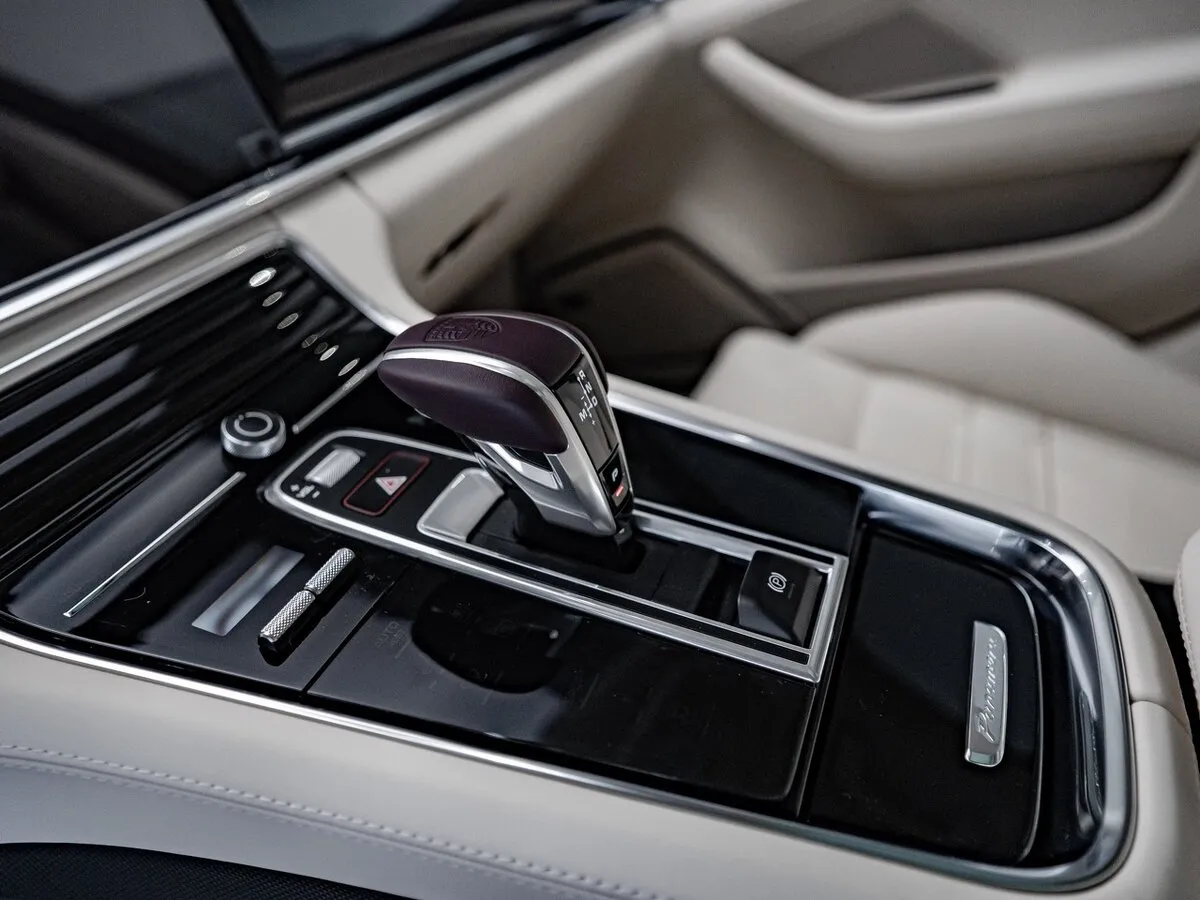
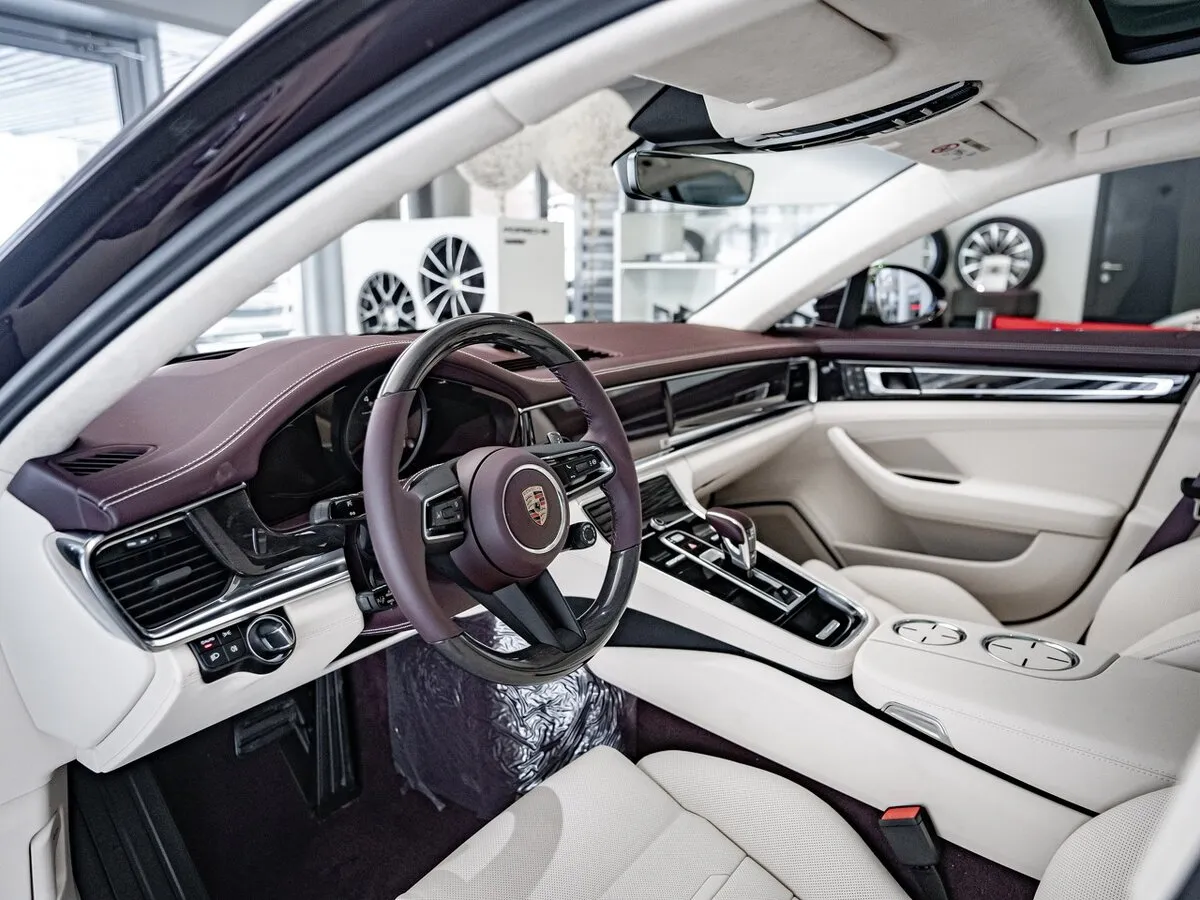
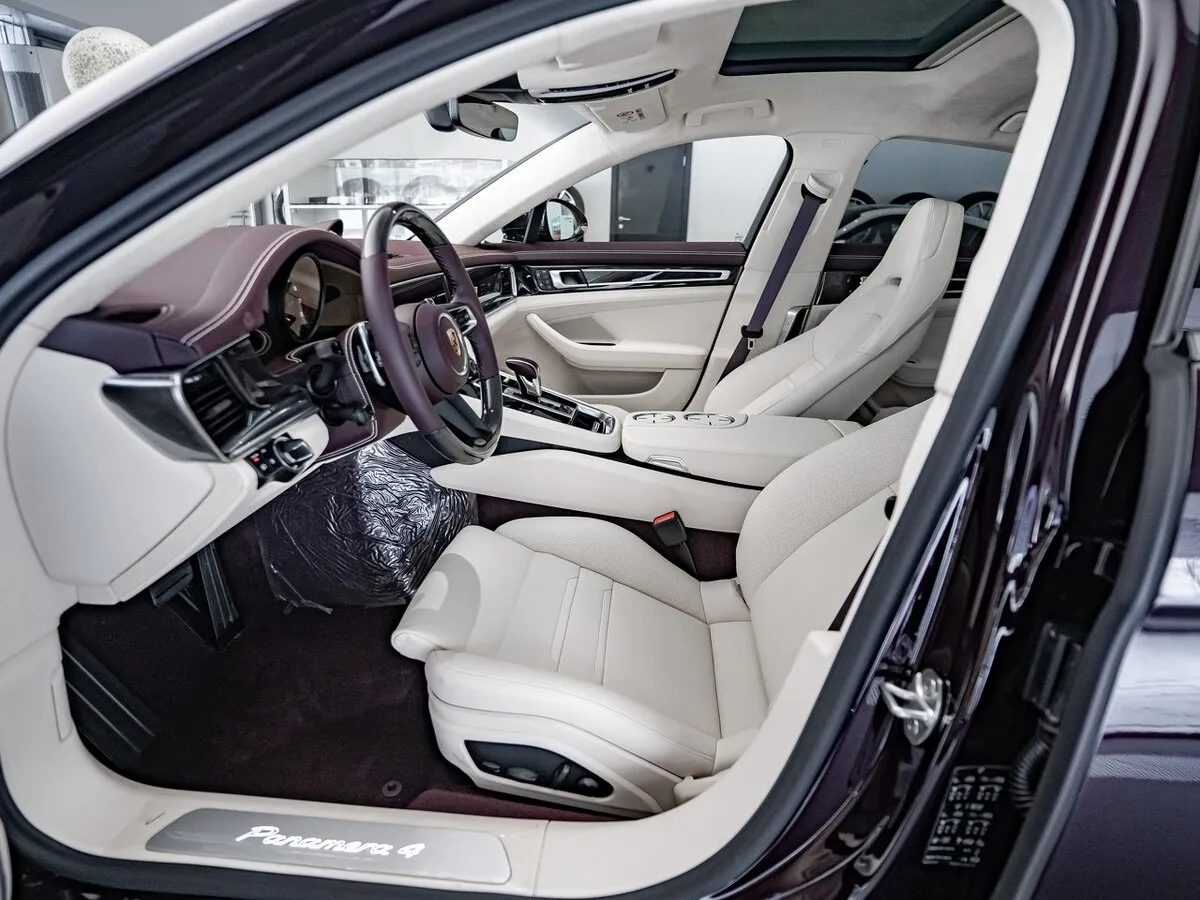
For suspension, the most common upgrades on factory-PASM cars are a lowering module (TechArt and Eibach both offer PASM-compatible modules that drop the car 25-30 mm without disabling the air system) or — on non-air cars — KW V3 coilovers or Eibach Pro-Kit lowering springs. KW's V3 product allows independent compression and rebound adjustment and is the go-to for owners who want a track-capable setup without losing daily usability. Interior upgrades through TechArt include full leather retrim in Porsche-approved hides, carbon trim sets, alcantara headliner, and TechArt's own three-spoke steering wheel with integrated shift paddles. Mansory's interior treatment is louder and more colour-contrasted; Hofele is more conservative and suits chauffeur-driven cars.
Inside the PASM Adaptive Air Suspension & Rear-Axle Steering
The Panamera 971's party trick is its three-chamber adaptive air suspension combined with Porsche Active Suspension Management (PASM). Each corner uses three independently controllable air volumes — spring rate is varied electronically in milliseconds by opening and closing solenoid valves between those chambers, allowing the car to offer a genuinely soft Comfort mode (effectively one large air volume per corner), a firmer Sport mode (two chambers active) and a very stiff Sport+ mode (single small chamber active, maximum spring rate). Unlike traditional adaptive dampers, this changes the actual spring rate, not just the damping. Ride-height is also adjustable in three steps (Lift, Normal, Low), coded via the PIWIS diagnostic tool.
The optional rear-axle steering system adds a further dimension: at speeds below roughly 50 km/h the rear wheels counter-steer up to about 2.8 degrees against the fronts, which makes the car behave as if its wheelbase were up to 90 mm shorter — noticeably easier to park, far tighter in mid-corner hairpin turns. Above roughly 80 km/h the rear wheels steer in parallel with the fronts by about 1.5 degrees, effectively lengthening the wheelbase for high-speed stability during lane changes and autobahn cruising.
The practical implication for tuning is important: fitting 22-inch wheels is fine, but going to 23-inch degrades ride quality even with PASM because the increase in unsprung mass overwhelms the air system's ability to isolate the body — you feel road imperfections through the seat that PASM used to filter cleanly. If you change wheel diameter or fit lowering springs or a module, the air-suspension reference heights must be recalibrated via PIWIS (the Porsche dealer diagnostic tool): the system uses optical ride-height sensors at each corner and they must be re-taught to the new geometry, or the car will hunt for incorrect targets and dump or pump air continuously. On rear-axle-steering cars the steering angle reference also needs a PIWIS recalibration after any wheel-size change. Skip this step and you will get fault codes, failed PASM modes and uneven tyre wear — it is the single most common mistake on DIY Panamera wheel builds.
Frequently Asked Questions
Will tuning the Panamera 4 void my Porsche warranty?
Non-invasive cosmetic modifications (body kits, wheels, exhaust slip-ons) typically do not void unrelated warranty items such as electronics or infotainment in most EU and UK markets — Porsche dealers assess powertrain claims against whether the modification caused the failure. However, an ECU flash that raises boost pressure, or modifications to the turbo hardware, can void powertrain warranty on the EA839 V6 and the PDK transmission. Reputable tuners (APR, Litchfield, Manhart) document their work carefully and many offer their own parallel warranty product. Always request a written pre-install condition statement and a statement of work before the car goes on the ramp.
Is the Panamera 4 worth Stage 2 tuning, or should I just buy a 4S?
Financially, Stage 2 on a Panamera 4 (roughly 420 hp with Litchfield) costs meaningfully less than the Panamera 4S premium (440 hp factory, plus higher purchase tax, insurance and consumables). The Stage 2 car exceeds factory 4S output on the V6 in torque and matches it closely in horsepower. The 4S factory car does get some additional trim upgrades (Sport Chrono standard, PASM in certain markets, bigger brakes on some builds). Most enthusiast owners who already have a Panamera 4 chassis find that Stage 2 plus an Akrapovic exhaust and a TechArt GrandGT body kit delivers more real-world satisfaction than trading up to 4S and leaving the car stock.
Can I fit 22-inch wheels on a standard-body Panamera 4 without arch trimming?
Yes, with the right spec: forged construction, ET35-40 front offset and ET48-55 rear offset, tyres no wider than 265/35 ZR22 front and 315/30 ZR22 rear, and the PASM air suspension at Normal or Low ride-height. Going below ET30 front or wider than 315-section rear will foul the factory arch lip on compression. Anything more aggressive than that really requires a TechArt GrandGT or Lumma CLR 720 widebody conversion, which is what those kits are engineered to accommodate. Always recalibrate PASM and rear-axle steering via PIWIS after any wheel diameter change.
How long does a full Panamera 971 build take?
From order confirmation to delivery, a complete build — TechArt GrandGT body kit in VIN-matched paint, HRE or ADV.1 forged 22-inch wheels, APR Stage 1 or Stage 2 ECU calibration, Akrapovic Slip-On exhaust, lowering module and interior retrim — typically takes 12-18 weeks. The critical-path item is usually the forged wheel set (10-16 weeks) and the paint-matched body panels (6-10 weeks from TechArt or Mansory). ECU tuning and exhaust are off-the-shelf items and add only a few days. We sequence the build so the car arrives at our partner Porsche specialist when all parts are ready, install takes one working week, and the finished car ships door-to-door by enclosed transport (EU), secure container (worldwide) or airfreight where the timeline demands.